


Postpartum Care Plan: How to Prepare Before Your Baby Arrives
Anticipating a new baby’s arrival fills you with immense joy. However, many expectant parents focus intensely on the birth itself. Consequently, they often overlook the crucial planning required for the fourth trimester. This postnatal period, the first twelve weeks after delivery, is often the hardest. Therefore, creating a comprehensive Postpartum Care Plan is essential. Ultimately, this plan serves as a blueprint for recovery and rest. New parents deserve nurturing support, yet few structure it proactively. Thus, this article outlines five necessary steps. Specifically, these steps address common concerns and ensure a smoother, more peaceful transition into parenthood.
💡 Pro Tip: Appoint one person—often your partner, mother, or best friend—to be your “Gatekeeper.” Because you need rest, this person handles all incoming calls, texts, and visitor requests for the first two weeks postpartum. Consequently, the Gatekeeper manages the meal train, enforces quiet hours, and relays only essential messages. This way, you remain shielded from social pressure and focus solely on healing and newborn care. Furthermore, having a designated Gatekeeper is a powerful element of your Postpartum Care Plan.
Table of Contents
Creating Your Postpartum Care Plan
The intense demands of newborn life make detailed planning impossible after birth. Therefore, you must handle logistical and support decisions beforehand. This way, you simply follow the plan when the time comes. Moreover, remember this phase requires more preparation than buying car seats and clothing. It involves building a robust support system. Furthermore, your mental and physical health must be the highest priority. In addition, you can avoid many common postnatal pitfalls with these practical strategies. Let us begin building your essential Postpartum Care Plan.
Postpartum Care Plan Summary
A successful fourth trimester hinges on comprehensive preparation. Therefore, creating a detailed Postpartum Care Plan before the baby arrives is your most important task. Specifically, prioritize setting up a robust household support system and actively planning your physical and emotional recovery. Furthermore, implementing strategies like freezer meal preparation and pre-assembling all infant gear significantly reduces stress. Ultimately, remember that self-care is not selfish. It is the necessary foundation that allows you to show up fully for your new baby. Thus, these proactive steps ensure a smoother, calmer, and more joyful transition into new parenthood.


Tip 1: The Essential Household Support System
You cannot manage everything alone during recovery. Therefore, securing reliable help is the foundation of your Postpartum Care Plan. First, identify two to three trusted people—friends, family, or professional doulas—who commit to daily tasks. Specifically, assign non-baby-related chores to them. For instance, one person handles laundry. Another person manages dog walking and general tidying. Consequently, you protect your limited energy. Additionally, ask your partner to take full responsibility for all dishes and garbage removal. Thus, your only job remains healing and bonding with your baby. Ultimately, do not wait for people to ask how they can help; tell them exactly what you need. This is because clear communication prevents frustration.
Tip 2: Postpartum Care Plan for Physical Recover
Physical recovery is non-negotiable for new mothers. However, many ignore their body’s signals in favor of household chores. Therefore, you must prioritize healing in your Postpartum Care Plan. To begin with, prepare a dedicated recovery kit for your bathroom. Specifically, stock up on high-quality pads, cooling sprays, and pain relief medication as recommended by your doctor. Furthermore, schedule your six-week postpartum check-up before the baby arrives. Because appointments fill quickly, securing a date now ensures timely medical follow-up. Moreover, communicate with your partner about designated rest times. For instance, you should commit to two hours of uninterrupted rest daily. This way, your body gets the chance to repair. Finally, drink plenty of water. Hydration is vital for healing and milk supply.
Tip 3: Emotional Health and Screening
The emotional landscape of the postpartum period is complex. Consequently, many new mothers experience the “baby blues” or, more severely, perinatal mood disorders. Thus, an effective Postpartum Care Plan must include a mental health component. Firstly, research local therapists who specialize in maternal mental health. Have their contact information saved and easily accessible. Secondly, speak with your OB-GYN about routine screening at your postnatal visits. Because early detection is crucial, you should be proactive about monitoring your mood. Furthermore, agree with your partner on a “check-in code word.” For example, using a specific word signals that you feel overwhelmed and need immediate support. Moreover, this simple communication tool removes the need for lengthy explanations during a crisis. Ultimately, your emotional wellness supports the entire family. Therefore, invest in resources now.
Tip 4: Freezer Meal Strategy
Cooking dinner is often the first chore that falls apart when the baby arrives. Therefore, a robust freezer meal strategy is essential for your Postpartum Care Plan. Ideally, aim to have at least two weeks’ worth of meals prepared and frozen before your due date. Specifically, focus on nutrient-dense, one-dish meals like stews, chilis, and casseroles. In addition, ask friends and family to organize a meal train using an online service. Furthermore, accept all offers of food, regardless of how simple the offering is. Remember that receiving a meal is an act of care. Consequently, having food ready eliminates a major source of evening stress. Thus, you can dedicate that time to rest and bonding. This smart planning fuels your recovery.
Tip 5: Infant Feeding and Gear Prep
Preparing your baby’s feeding system reduces confusion and stress. Thus, this must be detailed in your Postpartum Care Plan. If you plan to bottle-feed, ensure you have washed, sterilized, and assembled all bottles and pump parts. Specifically, create a “feeding station” stocked with nursing pillows, burp cloths, and a designated water bottle. Moreover, if you are breastfeeding, take a prenatal lactation class. Because breastfeeding often presents challenges, professional guidance improves success rates. Furthermore, set up the nursery and the baby’s main sleeping area well in advance. For instance, stock changing tables with plenty of diapers and wipes. Ultimately, having essential gear ready eliminates frantic searches at 3 a.m. Therefore, complete these preparations by 37 weeks.
A well-structured Postpartum Care Plan is the key to surviving, and thriving, in the fourth trimester. The process starts not after the baby is born, but well before the due date.

A Dedicated Resource for Postpartum Recovery
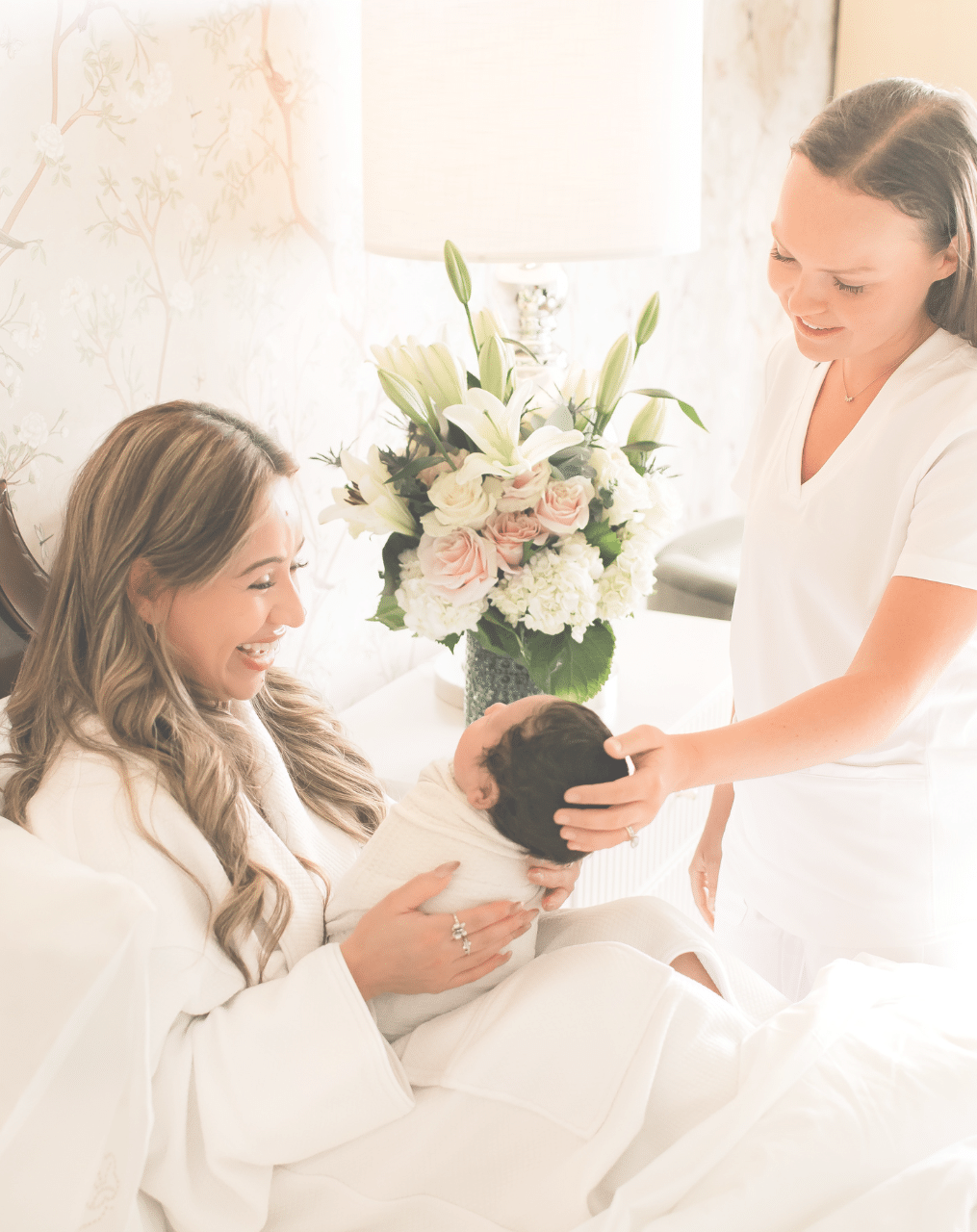
The execution of a robust Postpartum Care Plan often requires more than just home support. For this reason, theRUBY Postnatal offers a unique solution for new Houston families. Situated within the luxurious Omni Hotel in Houston, Texas, our retreat provides professional, restorative care for the mother and baby. Consequently, you receive dedicated support that goes beyond what most home help can offer. Our expert staff takes over all overnight newborn care, ensuring the mother receives deep, uninterrupted sleep.
Furthermore, we provide hands-on guidance for feeding, soothing, and physical recovery. Thus, instead of worrying about household logistics, mothers focus entirely on bonding and healing. Investing in this dedicated fourth-trimester rest allows you to return home refreshed and confident. Ultimately, theRUBY Postnatal turns your theoretical plan into a restorative reality. Specifically, our services are designed to prevent the exhaustion that often sabotages the best care intentions.
Frequently Asked Questions (FAQ)
Q: Why is creating a Postpartum Care Plan so important?
A: Planning minimizes stress during a demanding time. Furthermore, it allows the mother to prioritize physical healing. Because exhaustion impairs judgment, having decisions made beforehand is essential. Ultimately, a good Postpartum Care Plan protects both parents.
Q: How do I handle visitors who want to come immediately?
A: Communicate boundaries clearly before the birth. Specifically, establish “no visitor” zones for the first two weeks. If visitors do come, assign them a specific chore, such as folding laundry or unloading the dishwasher. This way, you benefit from their presence.
Q: What should I include in a “recovery station”?
A: Include things like high-absorbency pads, soothing sprays, pain relievers, and mesh underwear. Additionally, keep snacks and a large water bottle close by. Because moving is often difficult, having supplies nearby is helpful.
Q: When should I start planning my Postpartum Care Plan?
A: Start during the second trimester. Therefore, by the third trimester, you should finalize your support team and meal prep. This way, you enjoy the last weeks of pregnancy without major logistical stress.
Q: What is the most common pitfall new parents face?
A: The most common issue is underestimating the need for continuous rest and support. Consequently, burnout occurs quickly. Thus, delegate housework aggressively and say “yes” to help offered.
Helpful Links:
- 4th Trimester Project: Postpartum Support Plan for New Parents
- SimpleNursing: Postpartum Nursing Diagnosis & Care Plan
- NurseTogether: Postpartum: Nursing Diagnoses & Care Plans