

Starting Baby on Solids: The Essential Guide – BLW vs. Purees
The transition from an exclusive milk diet to solid food is one of the most exciting and milestone-filled stages of your baby’s first year. However, it can also be one of the most confusing. Suddenly, you face a spectrum of choices, primarily centered around two popular, yet fundamentally different, approaches: Baby-Led Weaning (BLW) and traditional spoon-feeding with purees. Consequently, many parents feel overwhelmed by conflicting advice and the worry of making the “wrong” choice. This comprehensive guide breaks down both methods, addresses common parental concerns, and helps you determine the best path for starting baby on solids successfully.
💡 Pro Tip: The “Rule of Three” for Textures: Regardless of your method (BLW or purees), ensure your baby encounters three distinct textures in their first three weeks: smooth (puree), soft chunk (avocado), and slightly chewy (shredded meat). This rapid, intentional exposure helps prevent texture aversions later on and quickly trains your baby’s mouth muscles for varied foods.
Table of Contents
Starting Baby on Solids: Timing and Readiness
Before diving into how to feed, you must first confirm when to start. The World Health Organization (WHO) and the American Academy of Pediatrics (AAP) recommend waiting until approximately six months of age. Importantly, your baby’s age is less critical than their developmental milestones. Furthermore, they need to demonstrate the physical skills required for safe eating.
First, your baby must be able to sit unsupported in a highchair. Second, they must have lost the tongue-thrust reflex, which automatically pushes food out of their mouth. Next, they should show a clear interest in food, often leaning in or reaching for what you are eating. Only when these readiness signs are present should you begin the process of starting baby on solids. Consequently, starting too early can increase choking risks and unnecessary stress.
Baby-Led Weaning (BLW): An Approach to Consider
Baby-Led Weaning, or BLW, involves skipping purees entirely. Instead, the baby is offered soft, appropriately sized pieces of whole food from the very start. The core philosophy is autonomy; the baby feeds themself, controlling the pace and quantity of their intake. Therefore, the baby develops hand-eye coordination and motor skills actively. Because they navigate different textures, they also hone chewing skills quickly.
Benefits of BLW: Generally, BLW is praised for promoting self-regulation. Since the baby controls the spoon or the food, they learn to recognize and respond to their fullness cues. Moreover, it encourages the development of fine motor skills, specifically the pincer grasp. Furthermore, mealtime becomes highly participatory, as the baby eats the same (modified) foods as the family right away. Consequently, meal preparation can be simplified greatly. For parents interested in this approach, they often find the shift to be empowering for their little one, allowing them to take the lead in starting baby on solids.
Common Concerns: Choking is the primary fear associated with BLW. However, studies show no higher risk of choking with BLW than with purees, provided the foods are prepared safely. Always remember to serve food in soft, stick-shaped pieces (about the size and length of your finger) until the baby develops a pincer grasp. Gagging, which is common, is a protective reflex and should not be confused with choking.
Summary
Choosing between Baby-Led Weaning and purees is not a matter of right or wrong; it is a choice about the feeding style that best suits your family’s lifestyle and your baby’s temperament. Remember that the readiness signs are crucial. Always prioritize safety by preparing foods correctly and supervising closely. Similarly, focus on nutrient-dense foods and remain patient through the mess and the learning curve. Ultimately, the goal is to foster a positive, lifelong relationship with food, regardless of whether you are spoon-feeding smooth peas or watching your little one grasp a piece of banana.


The Traditional Puree Method
The traditional approach involves spoon-feeding smooth, single-ingredient purees to the baby, gradually increasing the texture and variety over weeks or months. This is often the method that parents feel most comfortable with because it has been used for generations. It offers a structured way to introduce food. For instance, parents often start with rice cereal or a single vegetable puree like sweet potato.
Benefits of Purees: The main advantage is clear measurement. Parents can easily track exactly how much the baby consumes at each sitting. Purees are simple to manage and are excellent for babies who may have developmental delays or challenges with motor skills. Furthermore, the early stages are generally less messy than BLW, which many parents appreciate. Parents feel a sense of control over their child’s intake when starting baby on solids with this method.
Common Concerns: One frequent concern is the potential for missed developmental steps. Because purees require less chewing, the baby may take longer to develop the muscular movements needed for complex textures. Additionally, parents must be careful not to override the baby’s fullness cues by continually offering the spoon even when the baby turns their head away. Ultimately, the transition to lumpy or solid foods can sometimes be more challenging after months of only smooth purees.
Starting Your Baby on Solids: Addressing Critical Parental Concerns
When you start introducing food, anxiety about nutrition and safety is completely normal. Here are solutions to the most common concerns.
Fear of Nutrient Deficiency and Starting Baby on Solids
Many parents worry their baby isn’t consuming enough iron or enough calories, especially with BLW. Remember that breast milk or formula remains the baby’s primary source of nutrition for the entire first year. Solids are merely complementary for the first few months. Therefore, focus on offering nutrient-dense foods like iron-fortified cereals (if using purees), red meat strips, or legumes from the start. Furthermore, offer the solid food immediately after a milk feed so the baby isn’t too hungry or too full. This sequence helps guarantee they get the majority of their calories from milk while exploring solids safely.
Managing Mess and Time
Unquestionably, feeding a baby is messy. However, the mess is a valuable part of their sensory development. To manage the chaos, invest in a good-quality, full-sleeve bib and an easy-to-clean splash mat for under the highchair. Because you want to reduce cleanup time, always try to feed the baby when you are not rushed. Similarly, schedule messy meals, like yogurt or purees, right before bath time. This way, cleanup is consolidated and less stressful for everyone involved.
Dealing with Allergic Reactions
Introducing allergens early and regularly can actually decrease the risk of developing food allergies. Consult with your pediatrician before starting. Typically, common allergens like peanuts, eggs, and wheat are introduced one at a time, spaced a few days apart. Specifically, serve a small amount of the new allergen in an easily digestible form, such as a smear of peanut butter on a fruit strip or well-cooked, scrambled egg yolk. Always watch for immediate reactions, but the majority of reactions are minor. Consequently, by introducing allergens confidently and early, you are following current pediatric recommendations for starting baby on solids.
Many parents initially feel anxiety when transitioning from milk to food, largely due to concerns over choking or nutritional gaps. It is paramount to remember that the first few weeks are primarily for sensory exploration, not calorie consumption. The objective is simply to offer varied tastes and textures safely. Whether you choose BLW or purees, your focus should be on creating a positive mealtime environment.


Expert Postnatal Care: theRUBY Postnatal
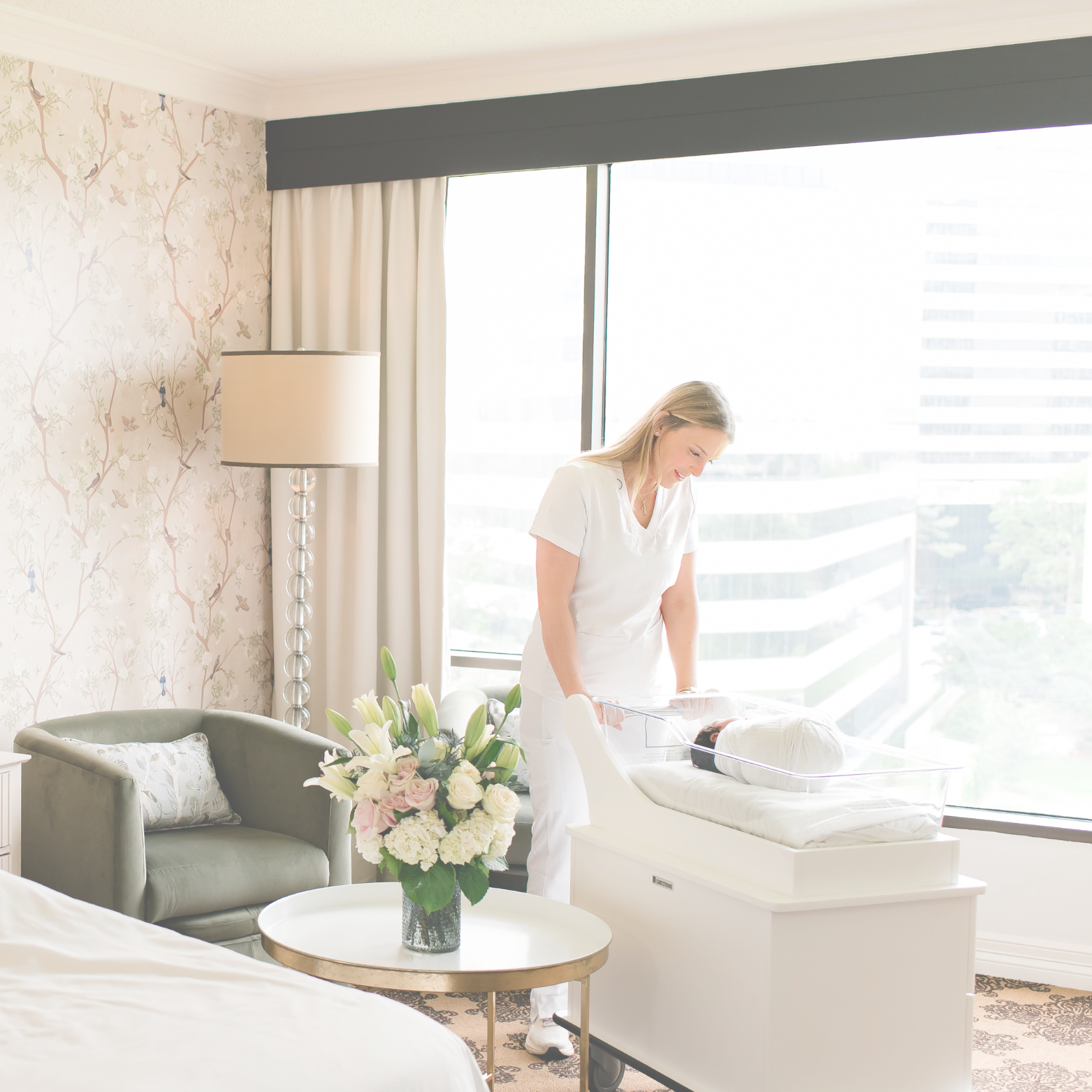
The journey of starting baby on solids often overlaps with the challenges of early parenthood, making support critical. Located in the luxurious Omni Hotel in Houston, Texas, theRUBY Postnatal offers specialized assistance during this crucial transition. Consequently, their team of International Board Certified Lactation Consultants (IBCLCs) and pediatric specialists are onsite to provide immediate, evidence-based guidance.
If you’re navigating the complexities of BLW food preparation, texture introduction, or ensuring your baby’s milk intake remains adequate while solids begin, their experts are there to help. They provide the necessary peace of mind and education in a serene, supportive environment. Instead of managing chaos at home, parents can recover, rest, and learn the best practices for infant nutrition from world-class professionals. This makes theRUBY Postnatal an essential resource for successfully integrating solid foods and confident, informed parenting.
Frequently Asked Questions (FAQ)
What is the ideal age for starting solids?
The ideal time to begin solids is around six months, but only after your baby can sit unassisted and shows genuine interest in the food you are eating.
What is the first solid food to introduce to a baby?
There is no single “best” first food. Pediatric guidelines now recommend starting with any nutrient-dense, iron-rich food. This can be pureed meat, legumes, or iron-fortified baby cereal. Starting baby on solids successfully involves offering variety early.
What is the 5 8 5 rule for babies?
Generally, the “5 8 5 rule” is a feeding guideline most often used for bottle-fed infants. It suggests offering 5-8 ounces of milk per bottle, typically about 5 times a day. This rule does not directly apply to the introduction of solid foods.
Can I start my 4 month on solids?
The official recommendation is to wait until around six months. Starting at four months is possible, but only if your baby shows all the clear signs of readiness. These signs include sitting supported and having lost the tongue-thrust reflex.
How often should I feed solids when first starting?
Begin with just one solid feeding session per day. You should offer only a small amount of food during this time. After the first few weeks, you can gradually increase to two, and then three, solid meals daily.
People Also Ask:
Can I combine Baby-Led Weaning and Purees?
Yes, absolutely! The “combo” approach allows you to offer purees via a pre-loaded spoon while also providing safe, large finger foods for self-feeding. This is often the least stressful way to approach starting baby on solids.
How do I prevent choking during BLW?
Prevent choking by always supervising mealtimes and offering soft foods cut into sticks the size of your adult pinky finger. Avoid small, hard, or round foods like grapes and nuts.
Is rice cereal necessary to start solids?
No, rice cereal is not necessary. You can begin with any iron-rich food, such as pureed meats, fortified oatmeal, or soft-cooked vegetables. Focus on offering a variety of flavors early on.
What should I do if my baby refuses a food?
If your baby refuses a food, do not force it. Simply wait a few days and offer it again. Sometimes, a food needs to be presented 10-15 times before a baby accepts it. Persistence is key when starting baby on solids.
Helpful Links:
- American Academy of Pediatrics – healthychildren.org – Postpartum care: Starting Solid Foods
- U.S. Centers For Disease Control And Prevention – When, What, and How to Introduce Solid Foods
- La Leche League USA – STARTING SOLIDS