
Postpartum Anxiety – Your Guide To Understanding & Healing
The journey into motherhood is beautiful. Yet, it also brings significant mental and emotional shifts. Many people know about postpartum depression (PPD). However, there is another common struggle. Postpartum Anxiety (PPA) often remains hidden in the shadows. It is crucial to shed light on this mood disorder. Furthermore, it impacts countless new parents. This article will explore PPA in depth. It will also provide common solutions. Finally, we will show you where to find expert support for Postpartum Anxiety.
💡 Pro Tip: Try the “5-4-3-2-1” grounding technique during moments of high anxiety. Indeed, this simple exercise brings you back to the present moment. First, name five things you can see. Then, identify four things you can touch. Next, name three things you can hear. Second, identify two things you can smell. Finally, name one thing you can taste. This quick exercise disrupts the cycle of worry. Furthermore, it calms your nervous system down immediately.
Table of Contents
Understanding Postpartum Anxiety (PPA)
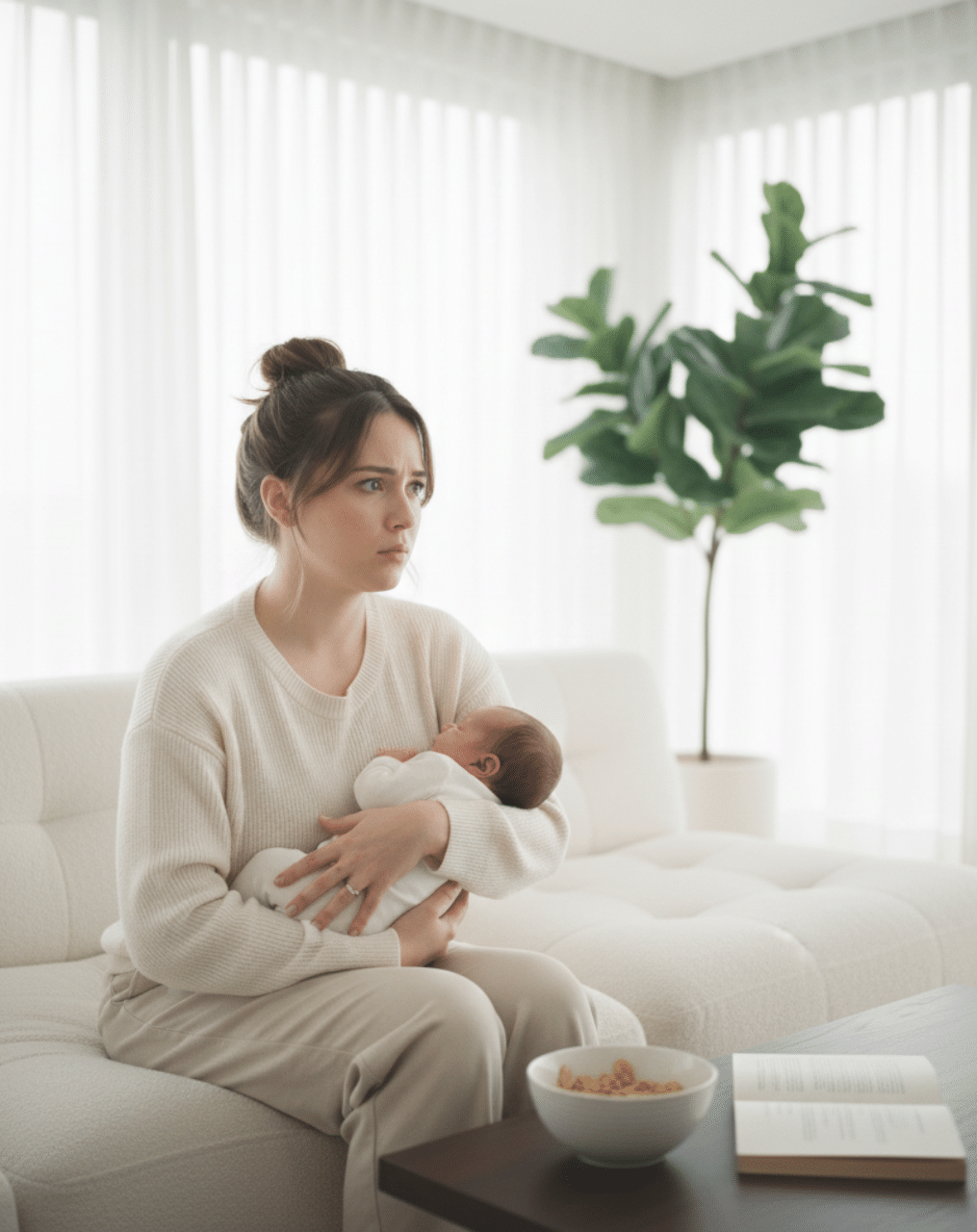
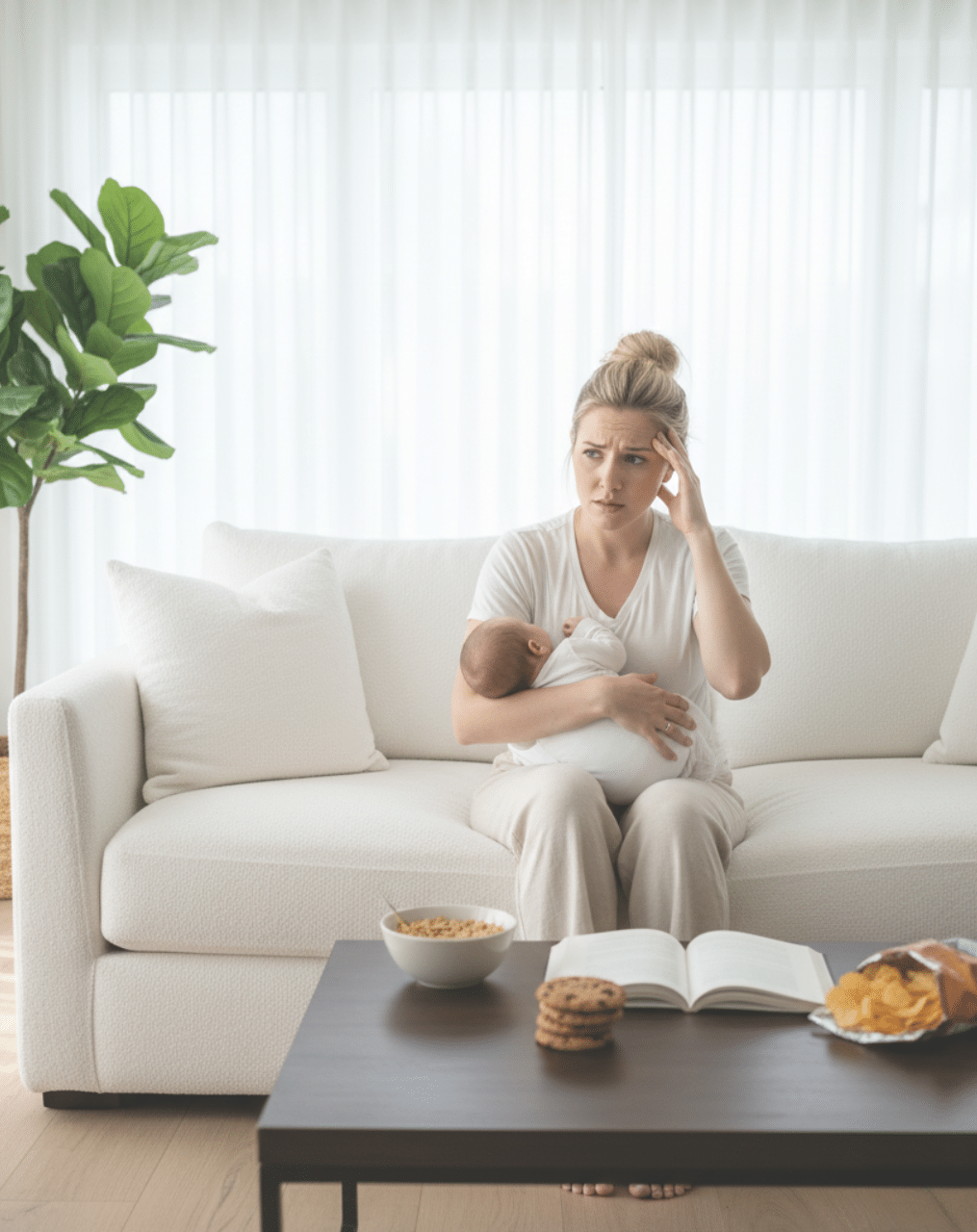
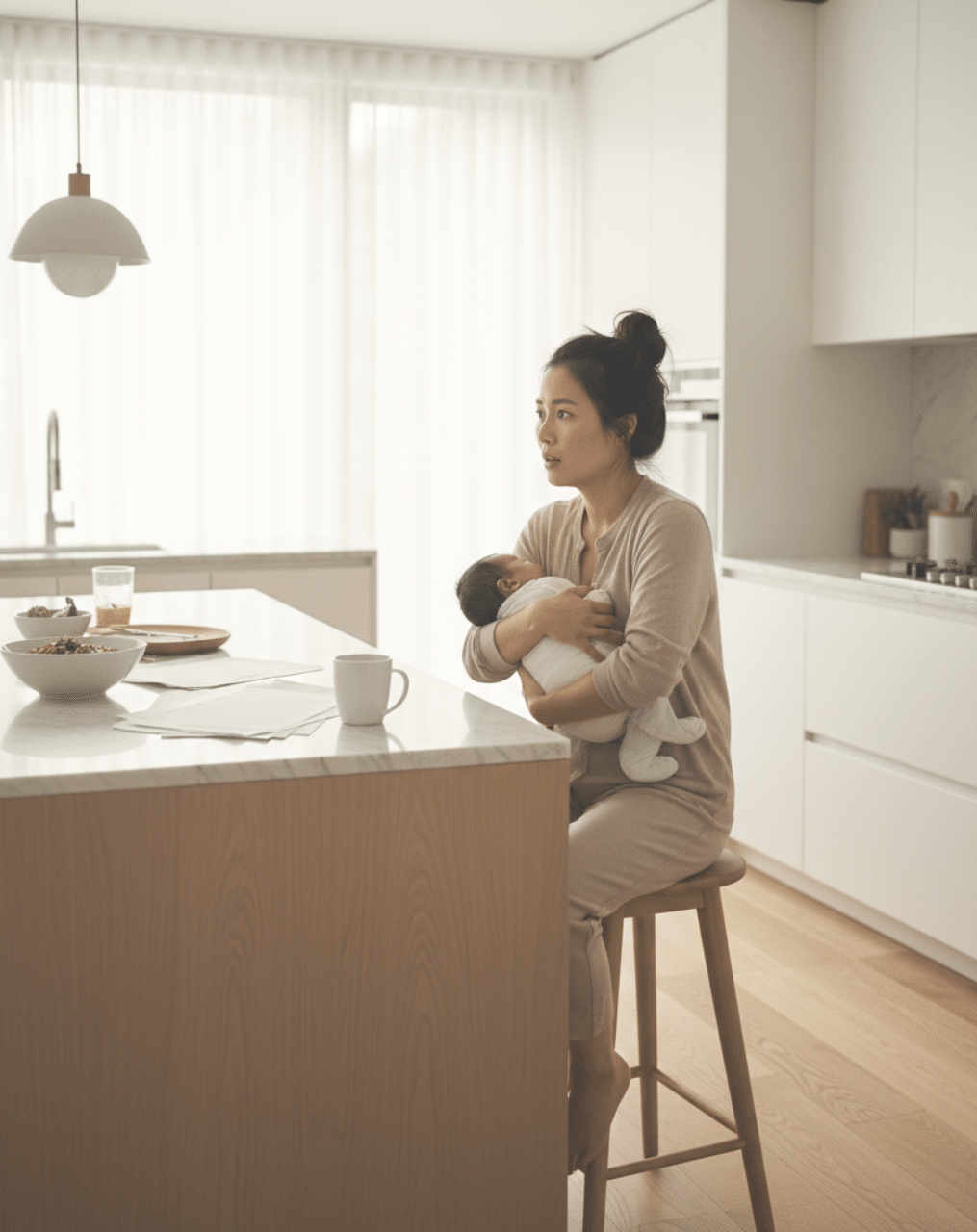
Postpartum Anxiety is characterized by excessive worry. This worry is often focused on the baby’s health or safety. Instead of feeling sadness, a person primarily experiences dread. Consequently, they can feel constant tension. This goes beyond typical new-parent jitters. Postpartum Anxiety often presents as physical symptoms. For instance, sufferers may experience panic attacks. They might also have a racing heart or shallow breathing. Moreover, persistent insomnia is a very common sign.
Many people confuse PPA with PPD. Nevertheless, the two conditions are distinct. PPD’s hallmark is low mood and loss of pleasure. Conversely, PPA involves overwhelming fear. This fear is frequently irrational. It can manifest as intrusive thoughts. Therefore, a new parent might imagine terrible accidents. These thoughts are terrifying. They are furthermore involuntary. Since new parents fear judgment, they seldom share these intrusive thoughts. This stigma allows Postpartum Anxiety to grow silently. The struggle is very real. Therefore, awareness and open discussion are essential for healing.
Summary Of Postpartum Anxiety Guide
Postpartum Anxiety is a pervasive and often misunderstood condition. It manifests as excessive worry, panic attacks, and intrusive thoughts about the baby’s well-being. Although it differs from PPD, it is equally serious. However, with increased awareness, practical self-care, and professional intervention, full recovery is completely possible. Therefore, if you recognize these symptoms, reach out for support today. You deserve to experience joy and calm during this time. Remember that addressing Postpartum Anxiety is a profound investment in your family’s health.
Why Is Postpartum Anxiety Often Missed?
Emotional recovery often goes hand-in-hand with physical healing. Therefore, you must fuel your body correctly. Adjusting to parenthood brings huge physical demands and hormonal shifts. Consequently, addressing nutrition and gentle movement helps stabilize your energy and mood. Furthermore, focusing on wellness ensures a more balanced transition.
- Stay Well-Hydrated: Firstly, drink plenty of water consistently. Hydration aids digestion, prevents uncomfortable constipation, and crucially supports milk production. Consequently, keep a large water bottle nearby at all times. Also, herbal teas can be incredibly soothing. Therefore, consistently replenishing fluids should be a primary goal.
- Nutrient-Dense Recovery: Secondly, focus entirely on healing foods. Complex carbohydrates, lean proteins, and healthy fats support rapid tissue repair. Because your body needs premium fuel, avoid relying on processed snacks. In fact, iron-rich foods replenish blood loss efficiently. Furthermore, this attention to nutrition enhances your overall wellness journey.
- Take Your Postnatal Vitamins: Moreover, continue taking your prenatal or switching to a dedicated postnatal vitamin. Indeed, these supplements ensure you replenish essential nutrients depleted during pregnancy and childbirth. Consequently, vitamins like iron, Vitamin D, and Omega-3s are vital, especially if you are breastfeeding. Therefore, don’t stop supplementing just because the baby is born.
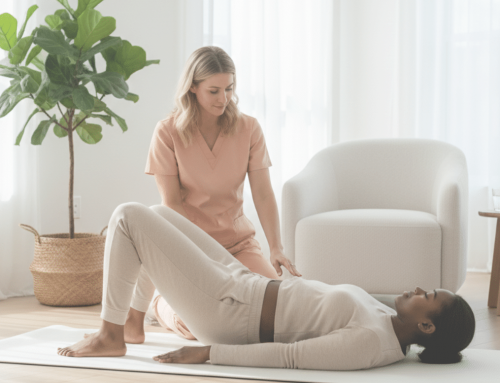
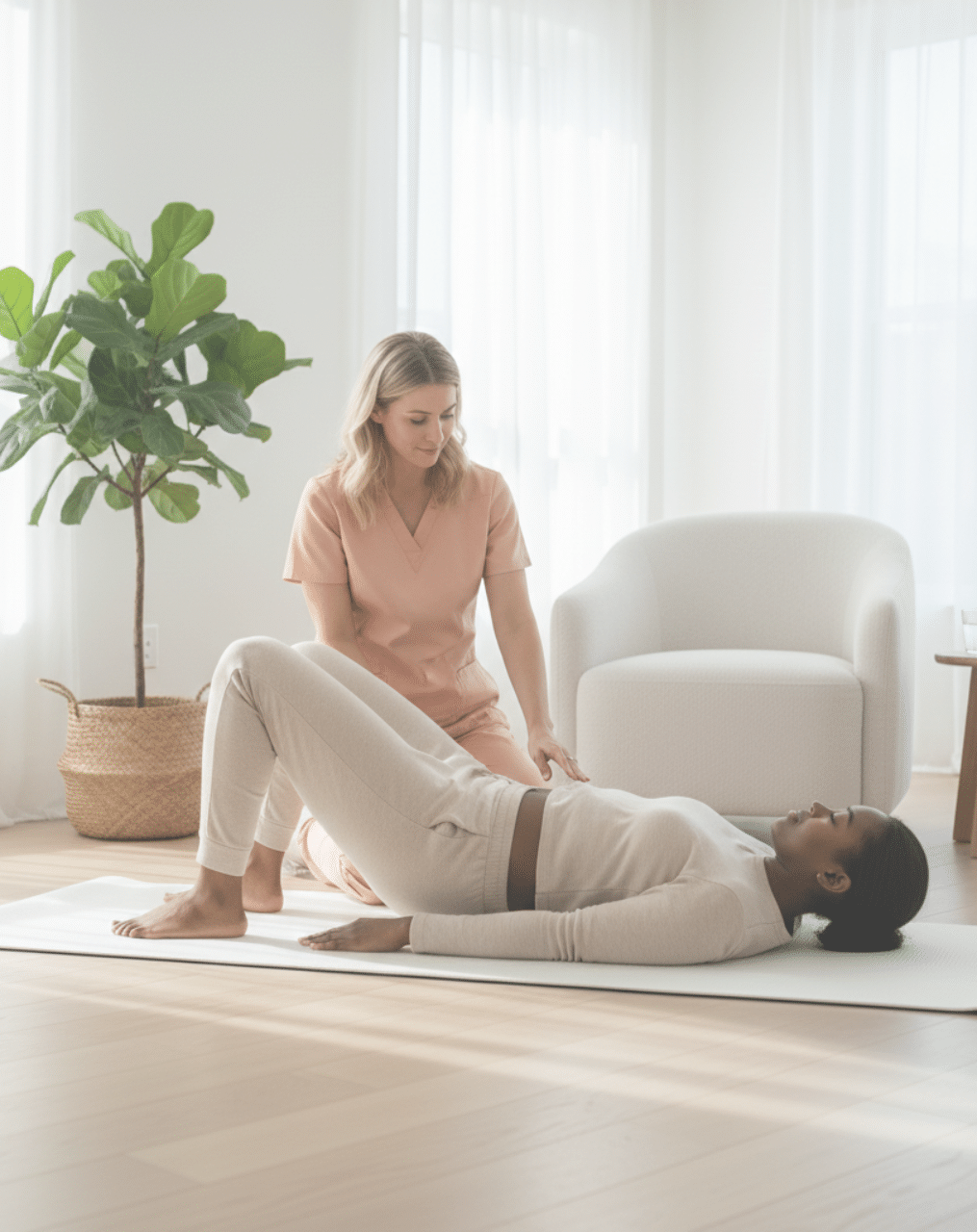
- Seek Pelvic Floor Therapy: Truly, every mother benefits from professional assessment. A pelvic floor physical therapist helps restore core strength and function. Furthermore, they proactively address common issues like incontinence and pain. Therefore, view this crucial rehabilitation as a preventative measure. This is an advanced step in effective after birth care tips.
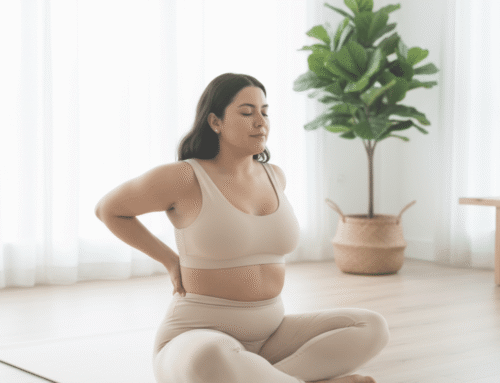
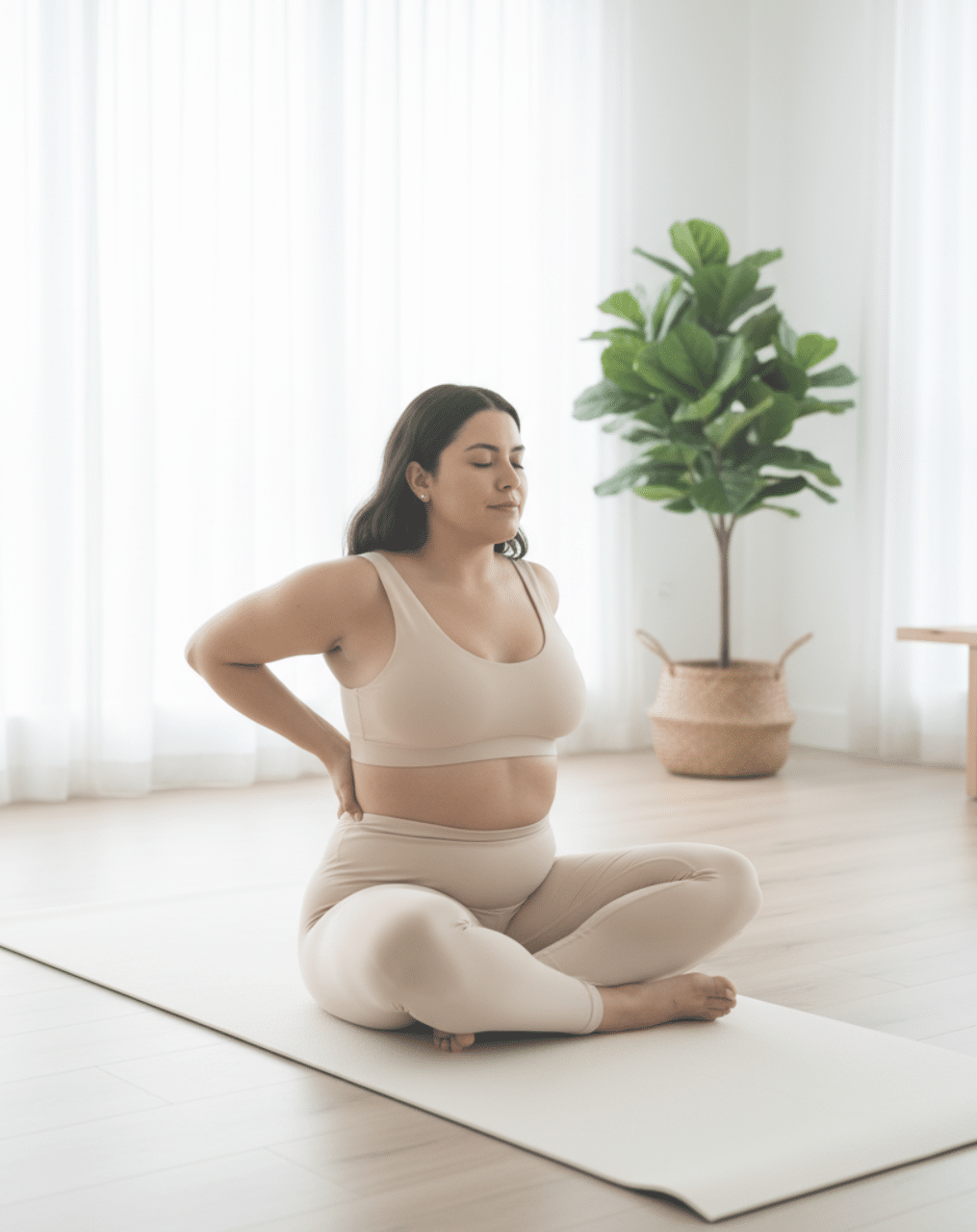
- Gentle Movement First: Lastly, avoid high-impact exercise initially. Instead, focus on gentle movements like walking, deep breathing exercises, and simple stretches. Consequently, these activities improve circulation and gently re-engage core muscles without causing strain. Therefore, listen to your body and slowly increase activity over weeks, not days.
Practical Solutions for Managing Postpartum Anxiety
If you are struggling with Postpartum Anxiety, you are not alone. There are many effective strategies available. Firstly, prioritize sleep whenever possible. Sleep deprivation fuels anxiety. Therefore, ask your partner or a friend to take a night shift. Even a few hours of uninterrupted rest can make a huge difference. Furthermore, good nutrition supports mental health. Try to maintain balanced meals throughout the day. Avoid excessive caffeine and sugar.
Secondly, practice mindfulness and gentle movement. Simple exercises like deep diaphragmatic breathing can calm your system. Moreover, a short walk outdoors offers immense relief. Do not pressure yourself to exercise intensely. The goal is stress reduction. Consequently, find small moments for peace each day. You must be gentle with yourself during this season. Dealing with Postpartum Anxiety requires patience.
Thirdly, establish firm boundaries with visitors. Many new parents feel overwhelmed by social expectations. However, your energy must go toward healing. Furthermore, politely communicate your needs. For instance, limit visits to short periods. It is okay to ask for space. Remember that protecting your peace is protecting your mental health. This is vital for managing Postpartum Anxiety. This level of self-care is not selfish. It is necessary for your well-being.
Finally, professional help is essential for many. Cognitive Behavioral Therapy (CBT) is highly effective. It helps change thought patterns. Alternatively, medication is a safe and helpful option for many. Consult a therapist or psychiatrist who specializes in perinatal mood disorders. They can offer judgment-free support. Ultimately, seeking help is a sign of strength. It is the brave choice for both you and your baby. Taking action provides long-term relief from Postpartum Anxiety.
The Importance of Seeking Help
Furthermore, reaching out connects you to others. Talking openly breaks the cycle of shame. Therefore, seek out local or online support groups. Hearing others share similar fears is incredibly validating. Also, realize your hormonal changes play a large role. Since hormones fluctuate dramatically after birth, this affects your mood. Therefore, be kind to your body. Give yourself grace. Remember that Postpartum Anxiety is a temporary condition. With the right help, you will certainly recover fully. This is an investment in a brighter future.
Postpartum Anxiety affects up to 20% of new mothers. The transition to motherhood is often presented as pure bliss, yet for millions of parents, it involves intense fear and excessive worry known as Postpartum Anxiety (PPA).
theRUBY Postnatal: Your Source of Expertise
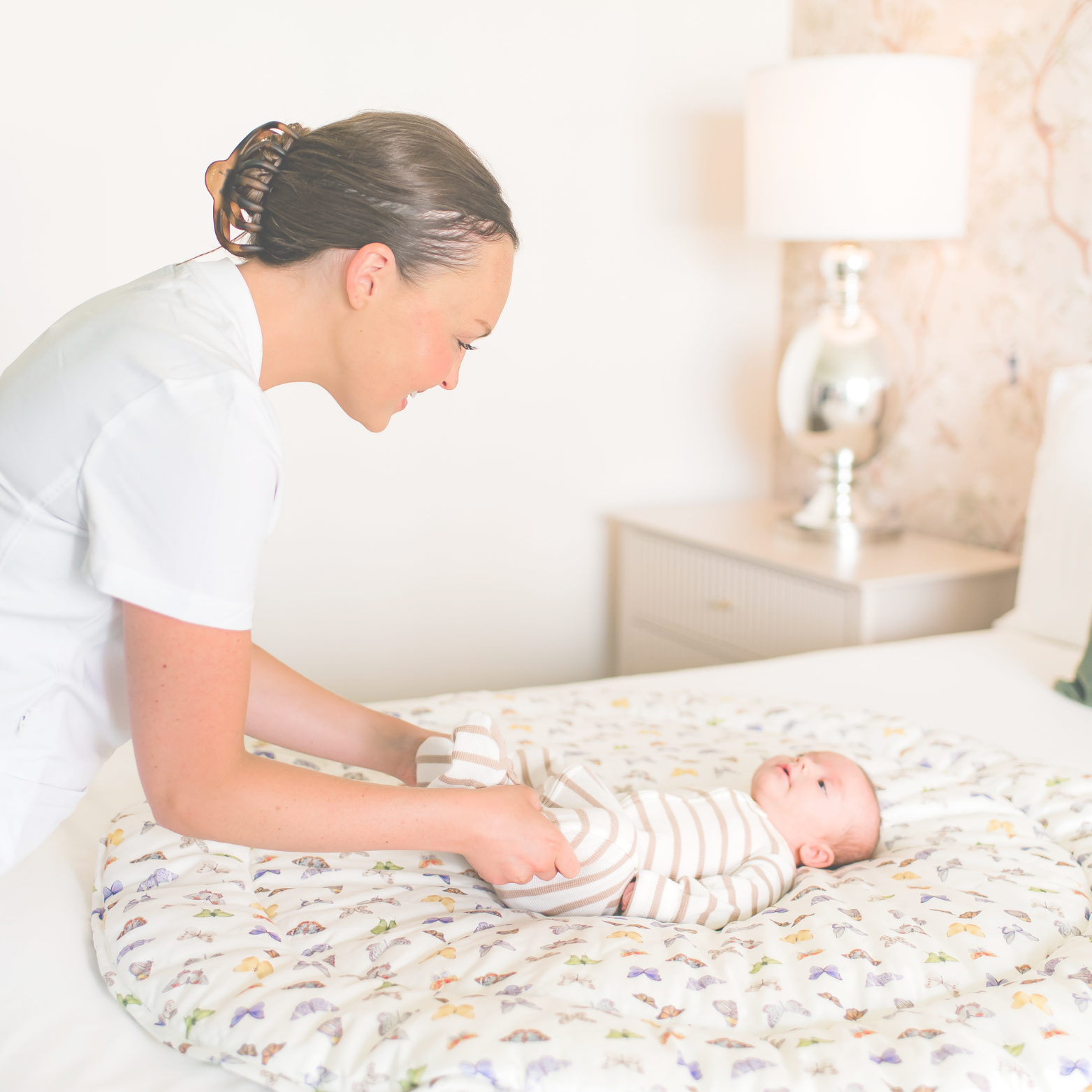
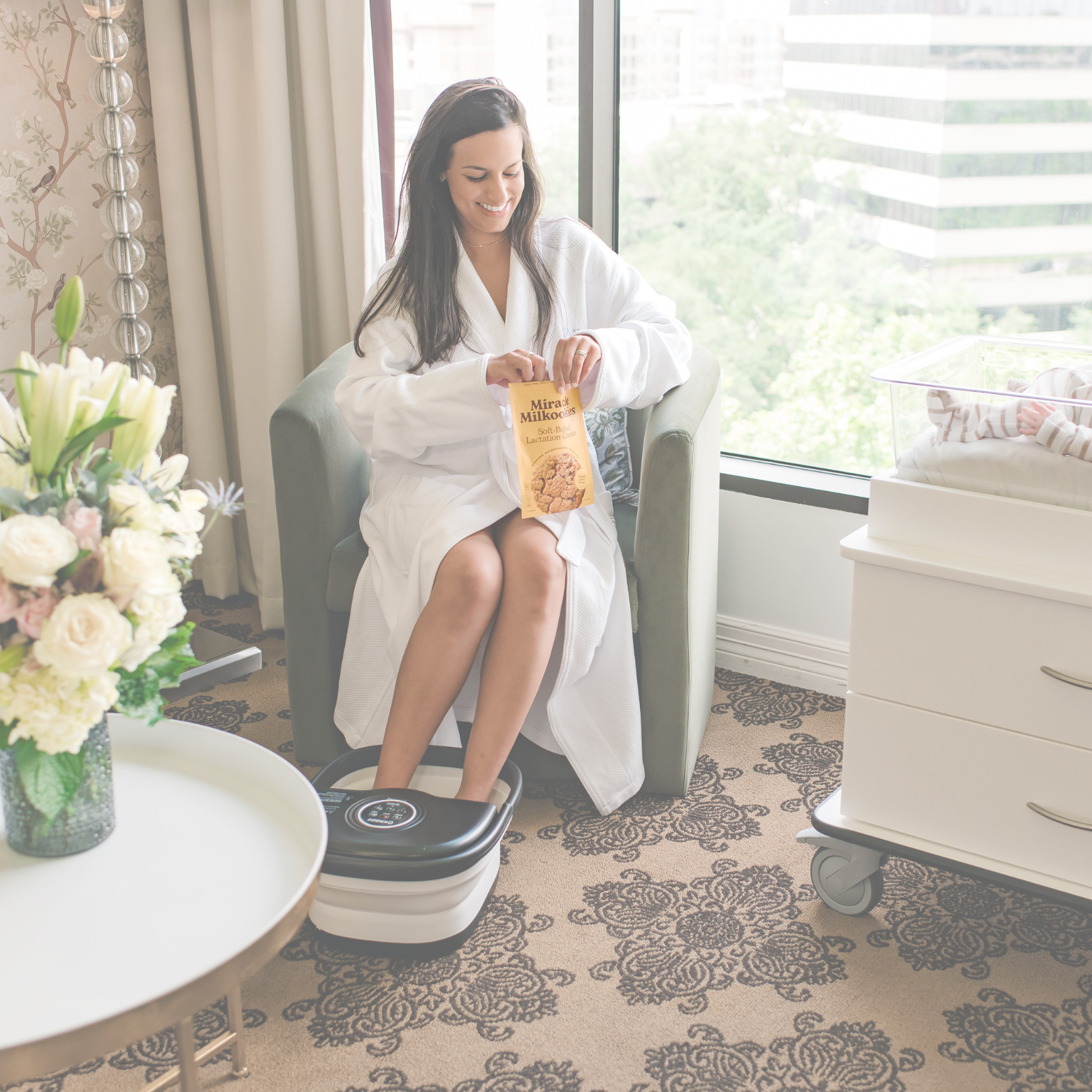
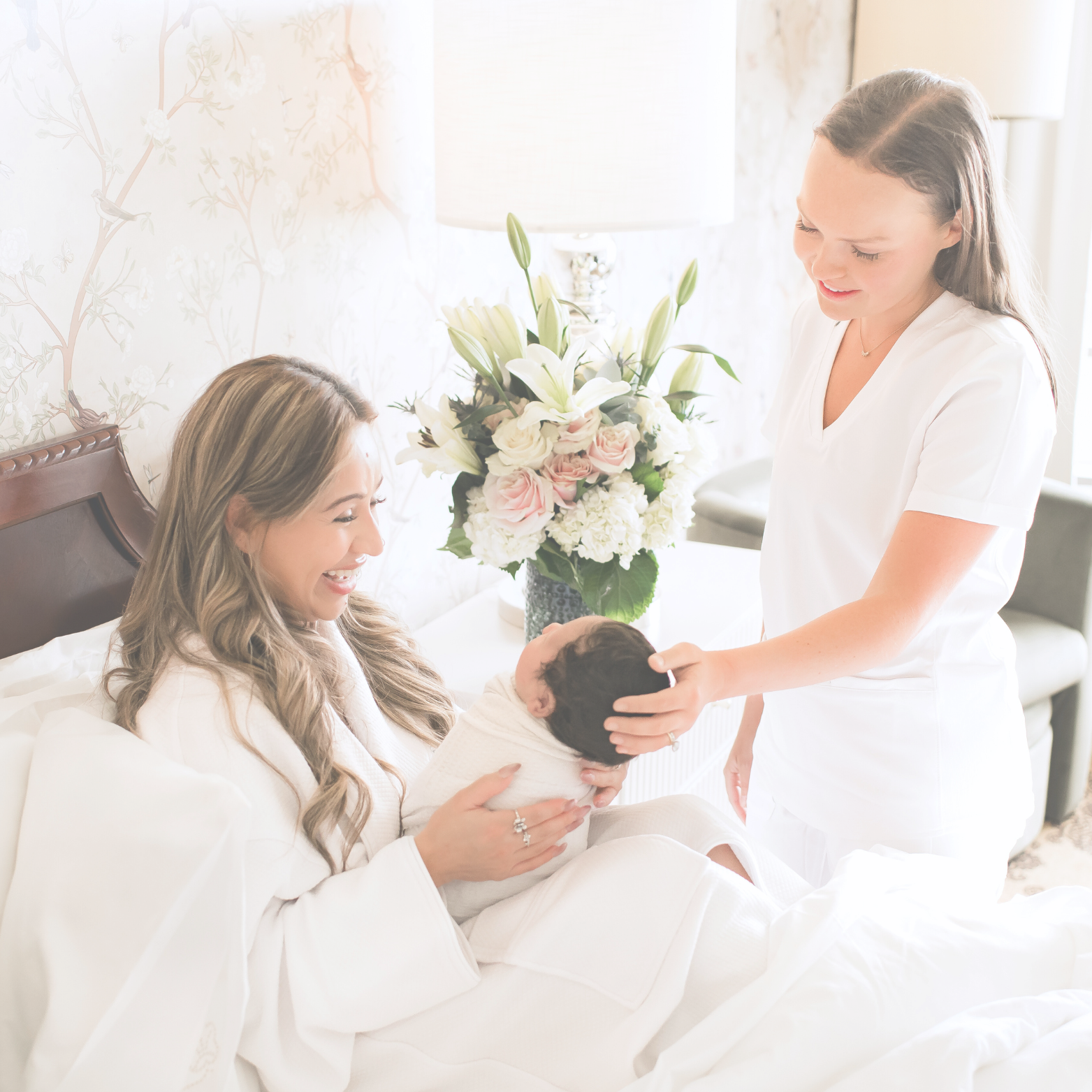
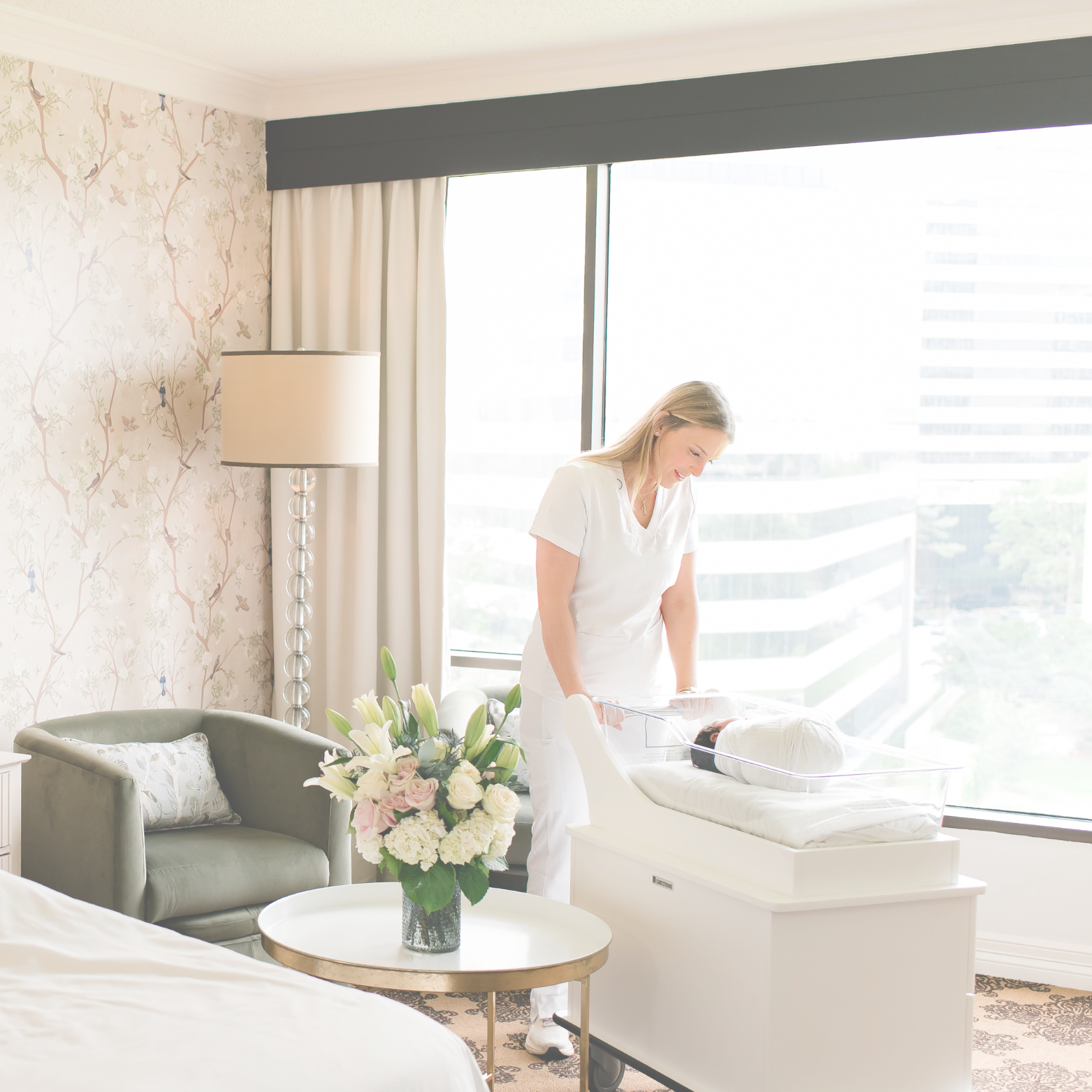
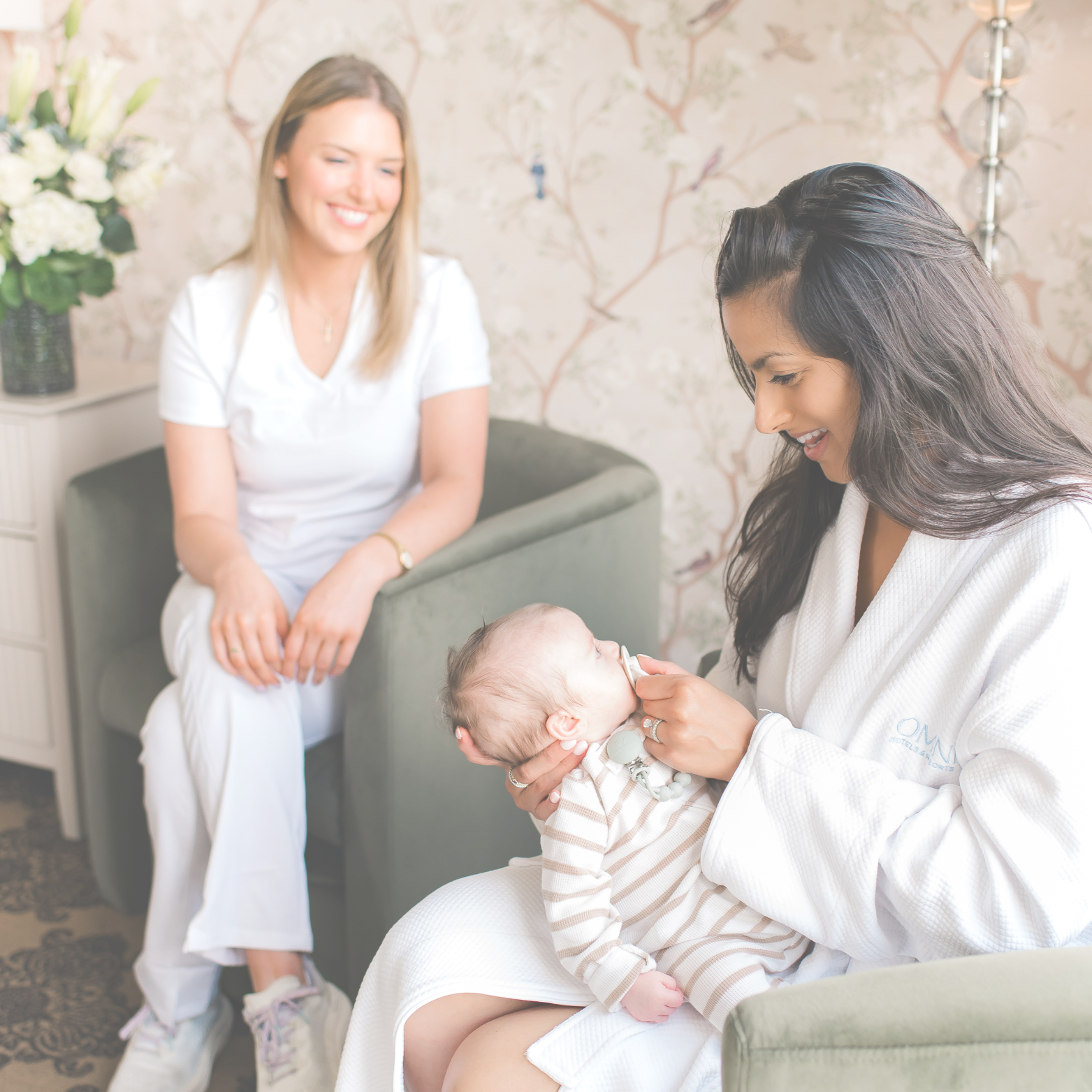
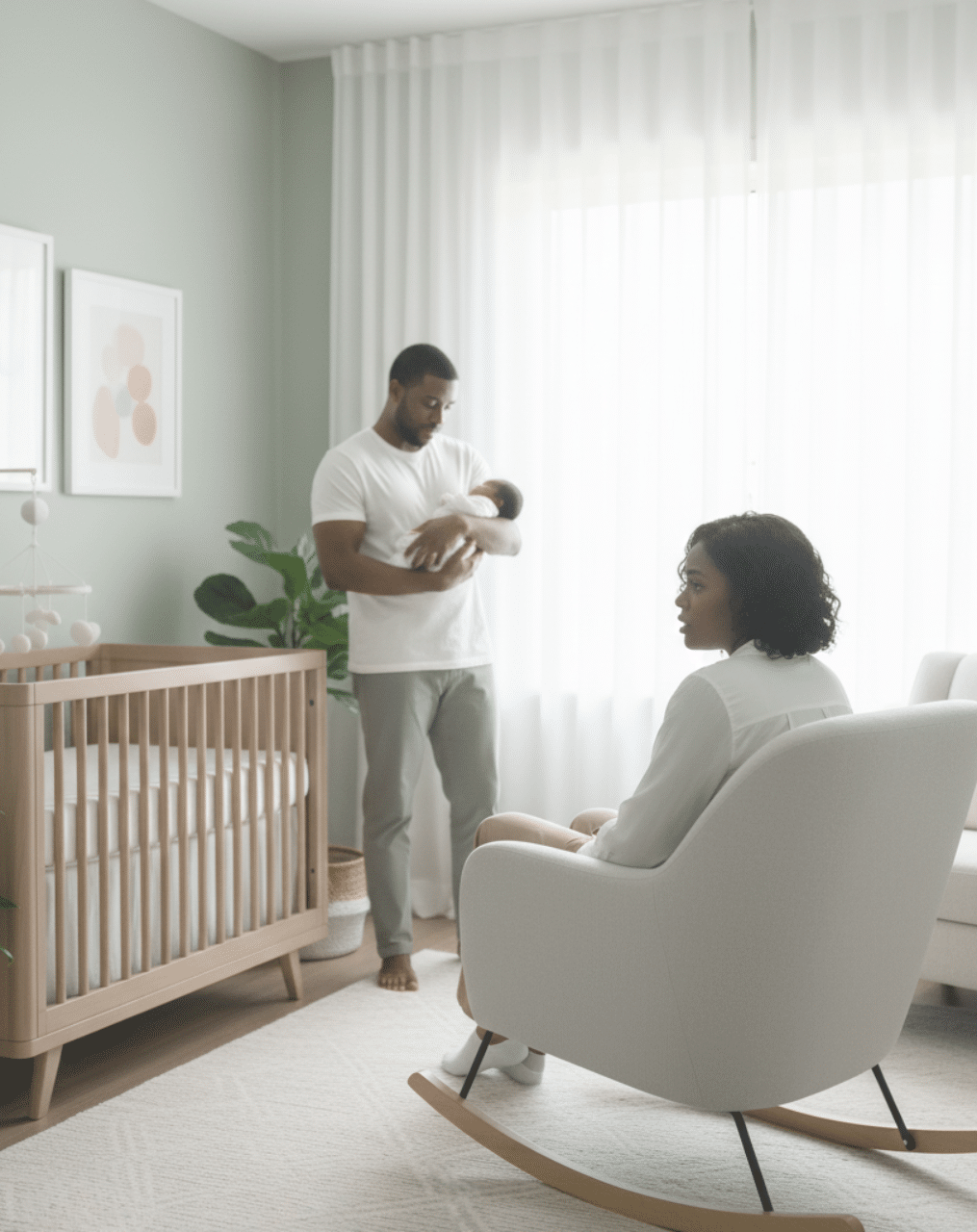
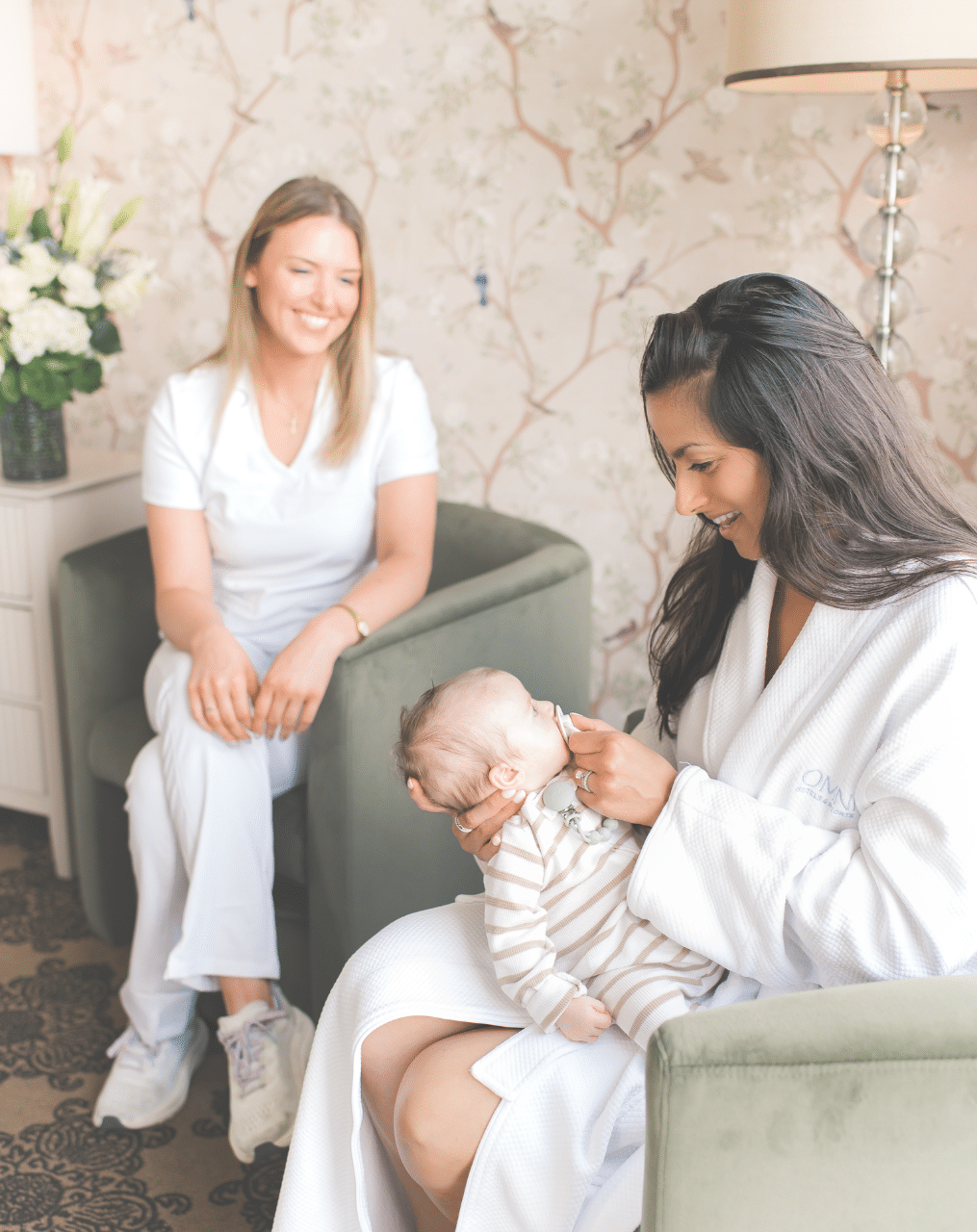
The journey through the fourth trimester requires specialized support. theRUBY Postnatal understands this need perfectly. Consequently, they offer a curated postnatal retreat experience right in Houston, Texas, within the luxurious Omni Hotel. They are not just a place for rest. Instead, they provide a hub for professional, holistic postpartum care.
theRUBY Postnatal connects mothers with experts in maternal mental health. This includes therapists specializing in Postpartum Anxiety and other mood disorders. Furthermore, they offer tailored wellness programs and nutritional support. The goal is to provide a comprehensive foundation for recovery and well-being. This dedicated, expert-led environment allows mothers to prioritize their mental and physical restoration completely. Investing in this dedicated care is a powerful step toward healing.
Frequently Asked Questions (FAQ)
Q: How can I reduce postpartum anxiety?
A: Focus on foundational health. Firstly, prioritize good sleep hygiene. Secondly, reduce caffeine and sugar intake. Thirdly, engage in gentle, daily movement. Also, utilize grounding techniques like the 5-4-3-2-1 rule. Importantly, do not hesitate to seek professional counseling like CBT.
Q: Is it normal to be anxious after giving birth?
A: Experiencing mild, temporary worry is normal; this is often called the “baby blues.” However, if your anxiety is intense, lasts longer than two weeks, or interferes with daily life, it may be Postpartum Anxiety. You should seek professional help in that situation.
Q: What is the 3-3-3 rule for anxiety?
A: The 3-3-3 rule is a grounding technique. First, name three things you can see around you. Second, name three sounds you can hear. Third, move three parts of your body. This exercise is meant to redirect your focus away from anxious thoughts.
Q: What are postpartum anxiety intrusive thoughts?
A: These are unwanted, often horrific, images or thoughts about harm coming to the baby or yourself. They are involuntary and shocking. Importantly, having these thoughts does not mean you will act on them. They are a symptom of Postpartum Anxiety and are highly treatable.
People Also Ask:
Q: How is PPA different from PPD?
A: PPD’s primary feature is profound sadness and apathy. In contrast, PPA is dominated by intense fear and worry. Panic attacks and restlessness are key signs of Postpartum Anxiety.
Q: Can I still breastfeed if I take medication for PPA?
A: Yes, many medications are safe to use while breastfeeding. It is essential to discuss all options with a perinatal psychiatrist. They can weigh the risks and benefits carefully.
Q: How common is Postpartum Anxiety?
A: PPA is surprisingly common. It affects up to 20% of new mothers. Therefore, it is often more prevalent than postpartum depression. However, it is less frequently discussed openly.
Q: Do fathers or partners get Postpartum Anxiety?
A: Absolutely. Perinatal anxiety can affect any parent, regardless of gender. They may experience similar symptoms, including intrusive thoughts and increased irritability.
Helpful Links:
- Cleveland Clinic: Postpartum Anxiety
- Harvard Health Publishing: Postpartum anxiety is invisible, but common and treatable
- MGH Center for Women’s Mental Health: Is It Postpartum Depression or Postpartum Anxiety? What’s The Difference?