

The Top 10 Postpartum Recovery Questions Answered
The moment your baby arrives, the focus shifts entirely. Consequently, you receive constant attention regarding infant care. However, new parents quickly realize that the weeks following birth, often called the fourth trimester, are a marathon of recovery. This period brings up a torrent of physical, emotional, and logistical postpartum recovery questions.
It is truly vital to have clear, expert answers. This guide addresses the top 10 most pressing concerns parents in Houston and beyond ask. Therefore, we cover everything from bleeding and stitches to mood swings and birth control, providing solutions for a healthier healing journey.
This comprehensive guide answers the top 10 concerns, providing clear, action-oriented advice and expert resources to ensure your recovery is supported, not stressful.
Table of Contents
- Table of Contents
- The Physical Healing Timeline: Answering Top Postpartum Recovery Questions
- Body Changes and Future Planning: Essential Postpartum Recovery Questions
The Physical Healing Timeline: Answering Top Postpartum Recovery Questions
Vaginal bleeding: What is normal lochia, and when should I contact a provider?
Vaginal bleeding, known as lochia, is truly normal after any type of delivery. It is essentially the shedding of the uterine lining. Furthermore, lochia lasts anywhere from four to six weeks. Initially, it is heavy and bright red, similar to a heavy period. Consequently, it gradually tapers off, changing to pink, then brown, and eventually to a yellowish-white discharge. You should contact your provider immediately if the bleeding suddenly soaks through more than one large pad per hour for two consecutive hours. Similarly, you should call if you pass clots larger than a golf ball. Also, you must seek help if you experience foul odor, fever, or chills alongside the bleeding.
Physical healing: How long will it take to heal from stitches or a C-section?
Healing time varies dramatically. Typically, surface stitches from a vaginal tear or episiotomy dissolve within seven to ten days. However, consequently, internal healing takes much longer. Therefore, you should avoid strenuous activity for six weeks or until your doctor clears you. A C-section is major abdominal surgery. In fact, while the external incision closes quickly, true internal muscle and nerve healing takes three to six months. You must adhere strictly to the lifting restriction—nothing heavier than your baby—for the full recovery period. Therefore, mastering the “log roll” technique is truly vital for protecting your core after surgery.
Pain and discomfort: What can I do to ease pain and discomfort from childbirth?
Pain management is truly crucial during the first two weeks. For vaginal discomfort, many doctors recommend using cold packs and witch hazel-infused pads. A peri-bottle filled with warm water cleanses the area and provides soothing relief. Moreover, for all birth types, staying ahead of the pain schedule is important. Therefore, taking prescribed or over-the-counter pain medication before the pain becomes intense is truly key. Furthermore, a supportive belly band or binder can ease C-section pain by providing gentle compression to the core.
Return of menstruation: When will my period return, and can I get pregnant before it does?
The return of your period is highly variable. If you are exclusively breastfeeding, the hormone prolactin can suppress ovulation. This delays menstruation, often for several months. However, if you are formula feeding or supplementing, your period may return as early as six to eight weeks postpartum. Nevertheless, you can absolutely become pregnant before your first period returns. Ovulation occurs approximately two weeks before menstruation. Consequently, you must use reliable birth control even before your cycle restarts.
Summary
The fourth trimester is marked by essential postpartum recovery questions. Understanding the timeline for lochia and physical healing is critical. Furthermore, planning for family logistics like birth control and safe resumption of sex is important for stability. Most importantly, you must prioritize emotional and mental health. Consequently, recognizing the signs of PPD and seeking expert support early are the most vital actions a new parent can take.


Body Changes and Future Planning: Essential Postpartum Recovery Questions
Body changes: What other bodily changes should I expect, and how long will it take to lose the baby weight?
Your body has undergone a remarkable transformation. Many new moms experience hair loss, which is truly normal, around three months postpartum. Furthermore, fluid retention can cause swollen feet and hands. This swelling usually subsides within the first week. Diastasis recti, the separation of abdominal muscles, is also very common. You should ask your doctor about a referral to a pelvic floor physical therapist for a proper assessment. In fact, professionals strongly discourage focusing on “losing the baby weight” quickly. Generally speaking, it takes a full year for the body to return to its pre-pregnancy state. Furthermore, a focus on nutritious eating and gentle movement is much healthier than restrictive dieting.
Resuming sex: When is it safe to resume sexual activity after delivery?
Most healthcare providers recommend waiting until after the six-week postpartum checkup. However, this is just a medical guideline. It ensures the uterine opening (cervix) is closed and the incision or tears have fully healed. Consequently, the timing of resuming sex truly depends on your physical comfort and emotional readiness. Furthermore, due to hormonal shifts, vaginal dryness is common. Therefore, using a personal lubricant is often necessary. You should also remember that sex may feel different initially, so communication with your partner is vital. This is a very common topic among postpartum recovery questions.
Birth control: What form of birth control should I use after giving birth?
Immediate family planning is one of the most important postpartum recovery questions. Your doctor will discuss options with you during the hospital stay or at the six-week appointment. Furthermore, many hormonal methods, like the “mini-pill” (progestin-only), are safe to start immediately, even while breastfeeding. Copper IUDs and hormonal IUDs are also highly effective long-term options. In fact, these can often be inserted as early as four to six weeks postpartum. You should always discuss your health history and future family goals with your provider to choose the best method.
Emotional Wellness, Feeding, and Support: Answering Postpartum Recovery Questions
Postpartum depression: What are the signs of postpartum depression, and when should I seek help?
The “baby blues” are normal. They involve mood swings, anxiety, and tearfulness lasting up to two weeks after birth. However, Postpartum Depression (PPD) is more severe and lasts longer. Signs include persistent sadness, overwhelming anxiety, difficulty bonding with the baby, feelings of guilt or worthlessness, and severe sleep disturbances (even when the baby is asleep). Consequently, you should seek help if symptoms last longer than two weeks. You must immediately call the National Maternal Mental Health Hotline (1-833-TLC-MAMA) if you have thoughts of harming yourself or your baby. This is a crucial answer to many postpartum recovery questions.
Emotional well-being: How can I manage mood swings and other emotional changes?
Prioritizing rest is the best intervention for emotional stability. Sleep deprivation severely compromises mental health. Therefore, you must accept help when offered. Furthermore, eating nutritious food and taking a short walk each day can significantly boost mood. Also, connecting with other new parents in support groups helps normalize the emotional rollercoaster. Setting realistic expectations for yourself is truly essential too. You should focus only on feeding, sleeping, and bonding.
Breastfeeding: What can I expect when breastfeeding, and what support and resources are available?
Breastfeeding can be challenging initially. It often involves soreness, latch issues, and worries about supply. However, most parents find that working with a certified Lactation Consultant (IBCLC) provides the necessary guidance. They can assess the latch and create a feeding plan. Furthermore, resources like La Leche League International or local Houston breastfeeding support groups offer invaluable peer support. You should stay hydrated and remember that successful breastfeeding requires patience.
Solving the sleep crisis is the biggest challenge behind most postpartum recovery questions. theRUBY Postnatal, located in the Omni Hotel, offers a clinical solution. By providing 24/7 care from RNs and LVNs, theRUBY Postnatal guarantees the deep, restorative sleep necessary for rapid healing, effectively answering your most urgent question about how to truly recover, manage pain, and bond with your baby from a place of strength.

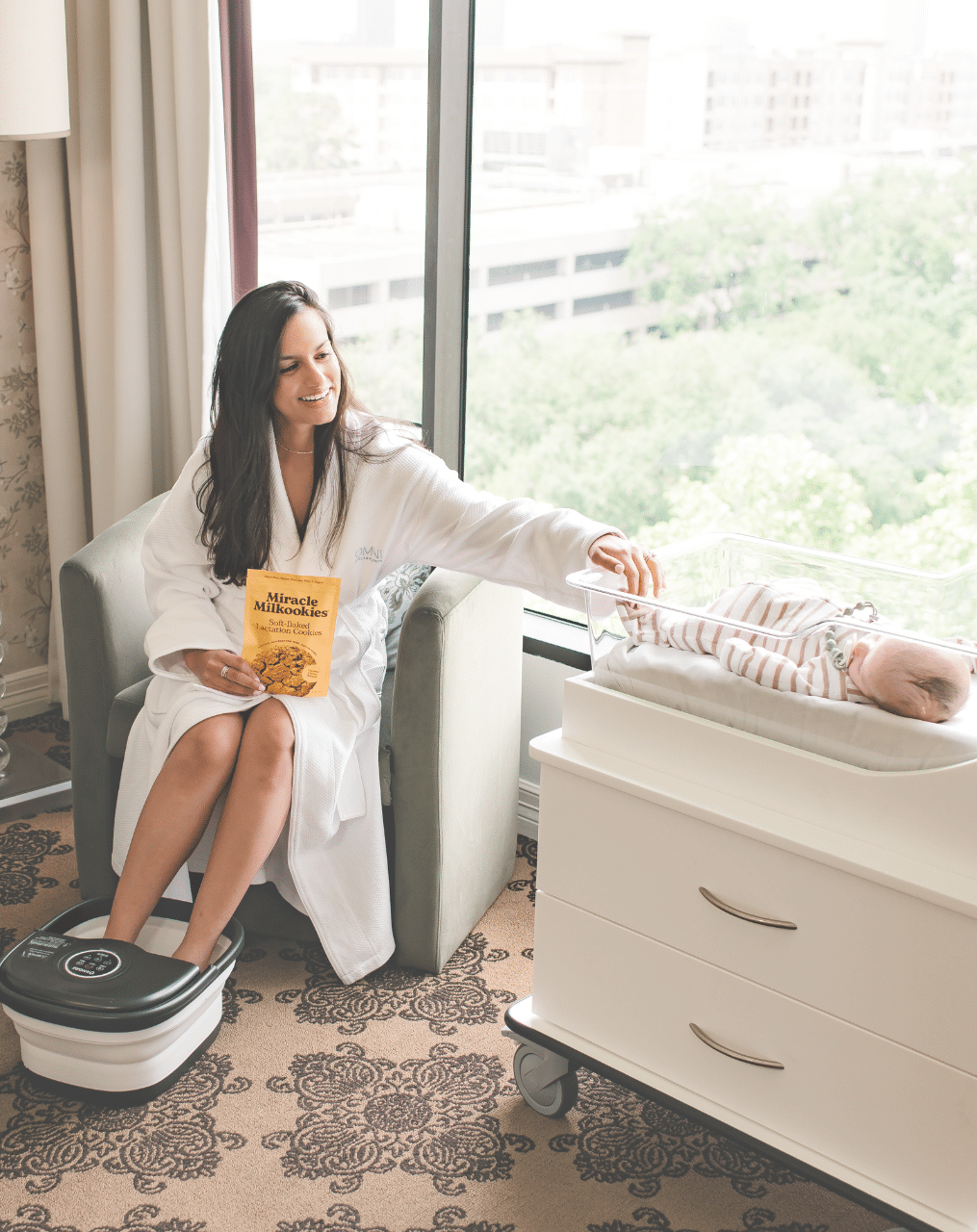
theRUBY Postnatal: Clinical Expertise to Answer Your Postpartum Recovery Questions
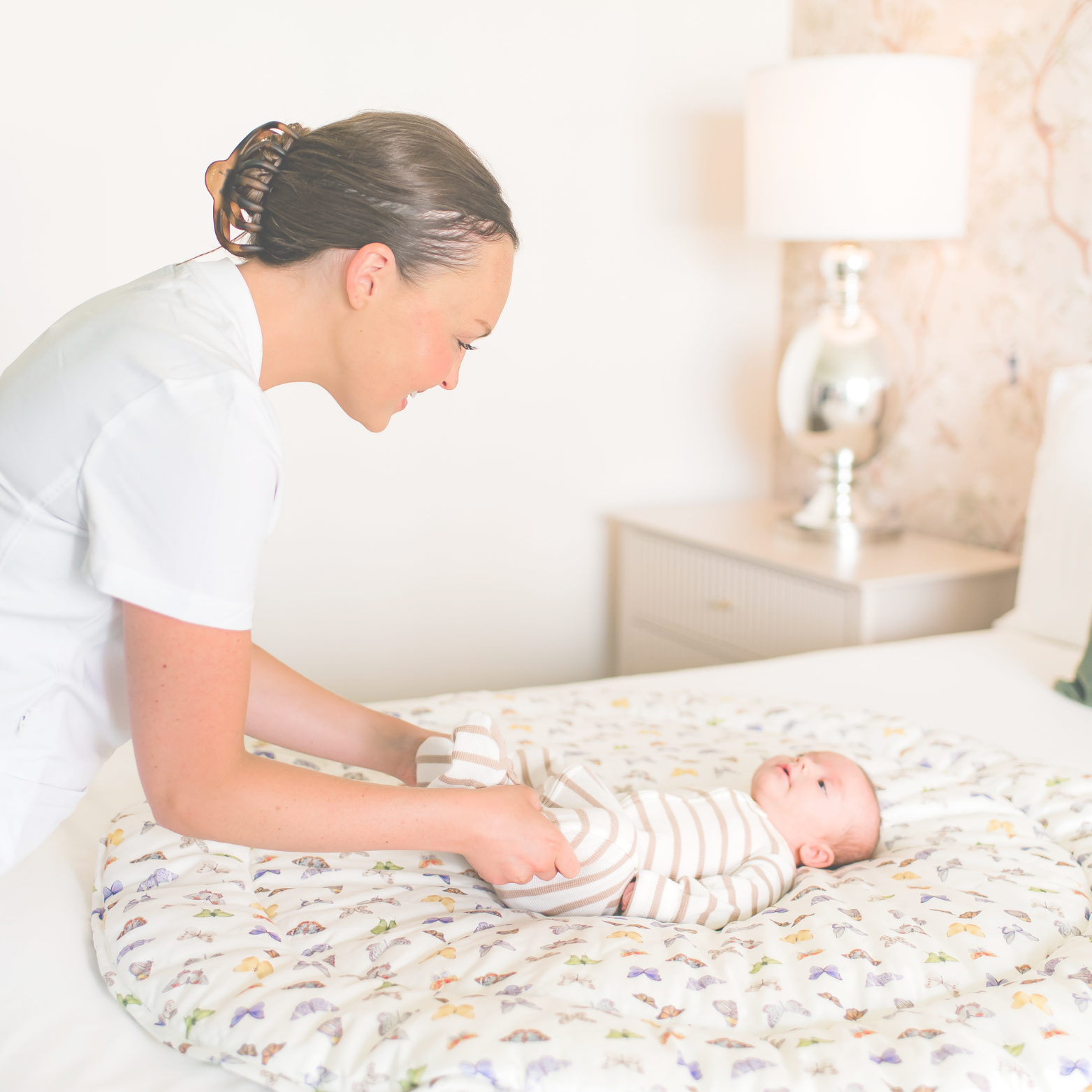
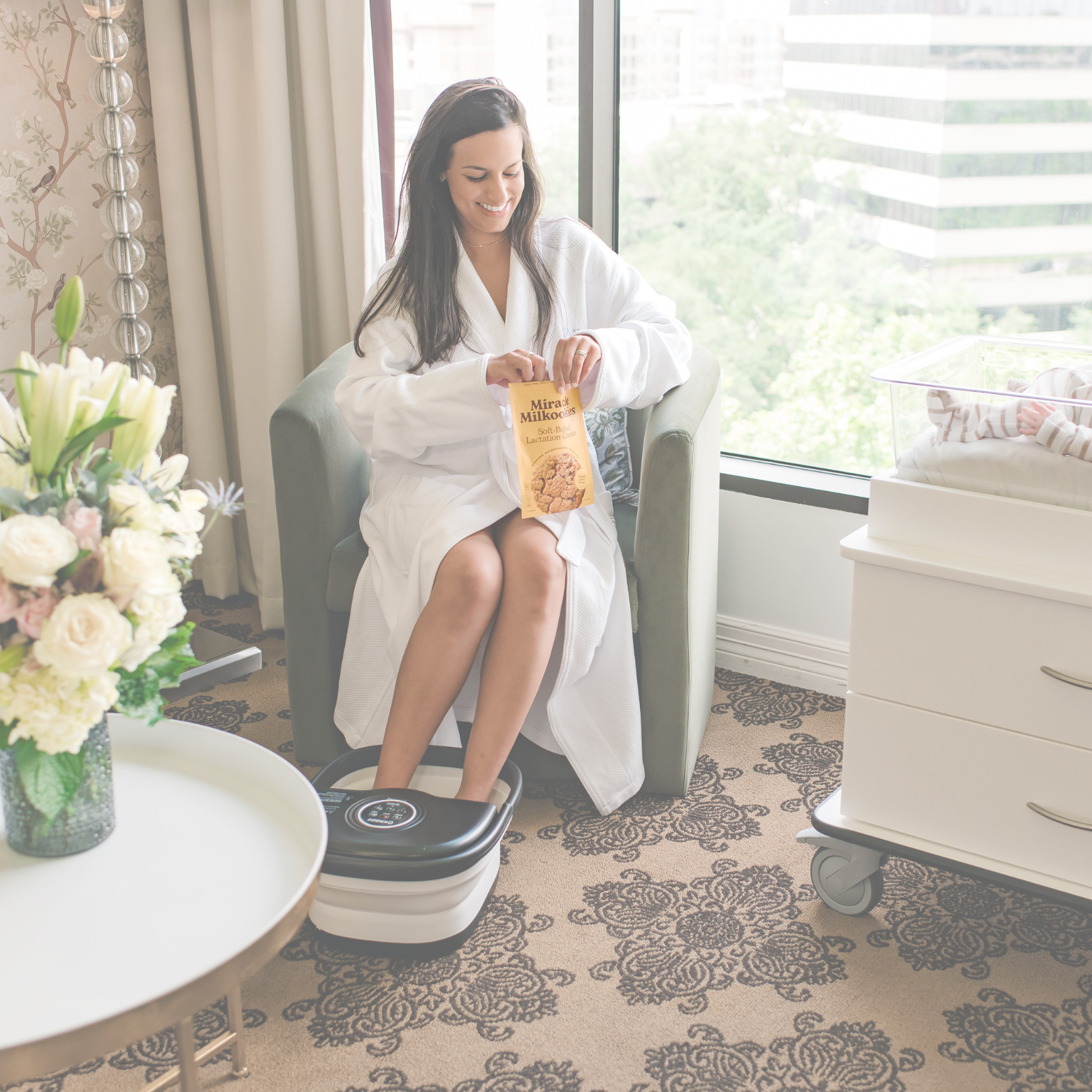
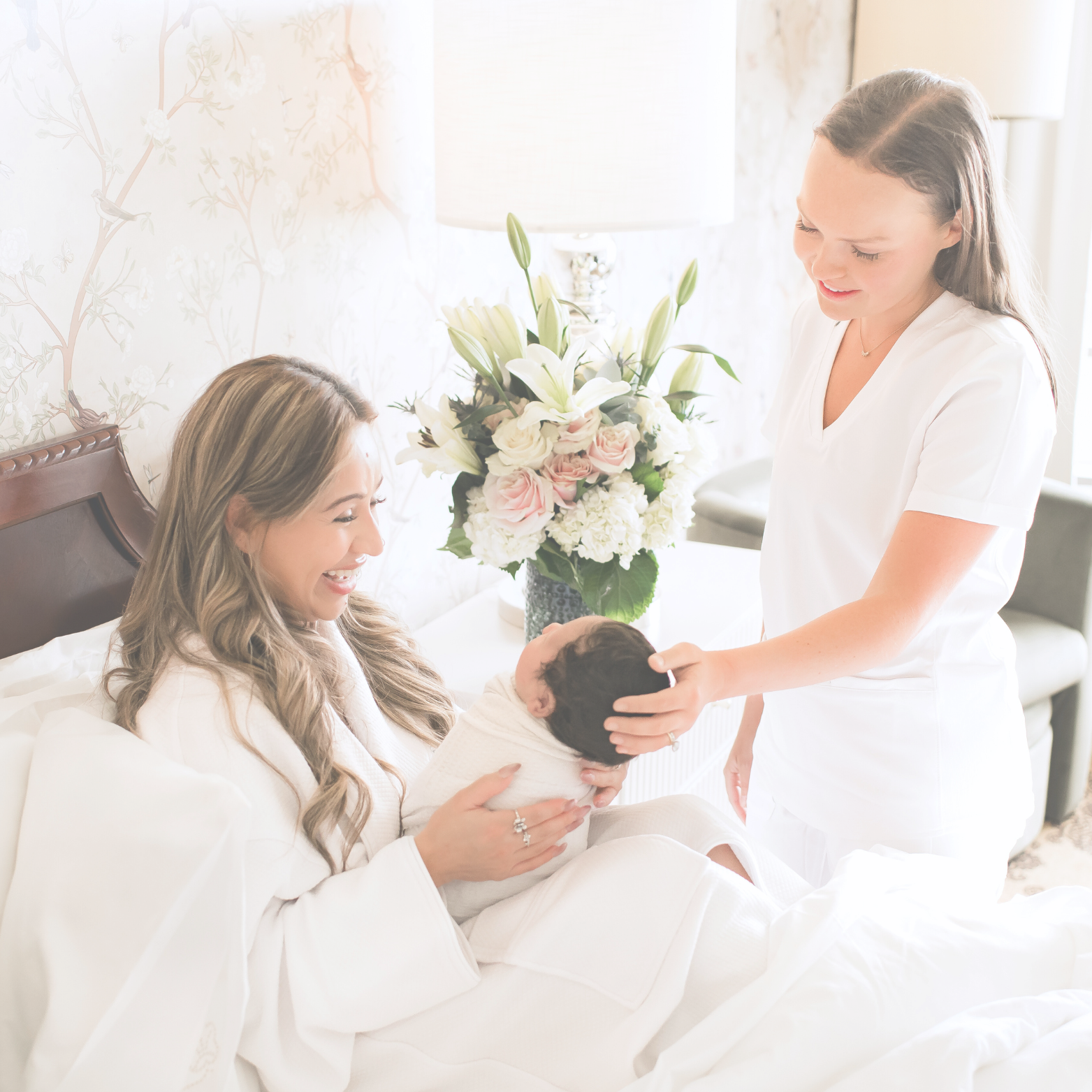
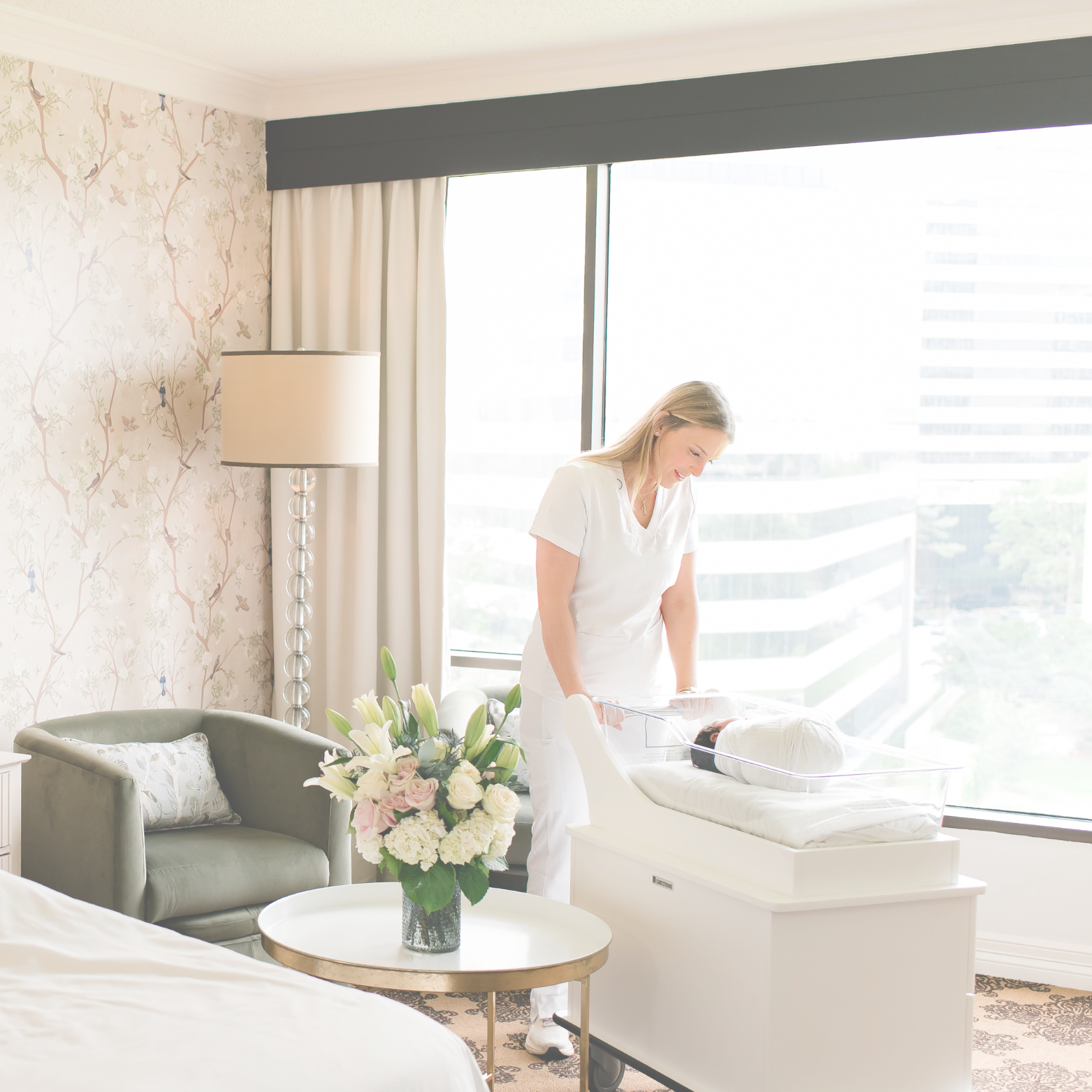
The most urgent of all postpartum recovery questions centers on one thing: rest. New parents know they need it, but they find it nearly impossible to achieve at home. theRUBY Postnatal, located conveniently within the luxurious Omni Hotel in Houston, Texas, is designed specifically to solve this massive sleep deficit and provide a clinical foundation for healing. theRUBY Postnatal is not a hotel service or a spa. In fact, it is a dedicated clinical recovery space. Therefore, the core offering is round-the-clock, specialized care provided by highly trained Registered Nurses (RNs) and Licensed Vocational Nurses (LVNs).
These professionals manage all nighttime infant care duties. Consequently, this ensures both parents receive uninterrupted, restorative sleep—the most critical element for physical healing, emotional stability, and successful breastfeeding. Furthermore, theRUBY Postnatal integrates clinical needs directly into the care model. They provide professional wound checks (essential for C-section healing) and personalized medication management, ensuring pain is consistently controlled. Moreover, the retreat includes chef-prepared, recovery-focused meals and on-site lactation consultants. This integrated approach ensures every major postpartum recovery question is answered with expert care, allowing parents to approach their fourth trimester with stability and confidence. Choosing theRUBY Postnatal means choosing expert recovery over exhaustion.
Helpful Links
- American College of Obstetricians and Gynecologists (ACOG): My Postpartum Care Checklist
URL:https://www.acog.org/womens-health/health-tools/my-postpartum-care-checklist - Mayo Clinic – Postpartum Depression
URL:https://www.mayoclinic.org/diseases-conditions/postpartum-depression/symptoms-causes/syc-20376617 - Mayo Clinic -Sex after pregnancy: Set your own timeline
URL:https://www.mayoclinic.org/healthy-lifestyle/labor-and-delivery/in-depth/sex-after-pregnancy/art-20045669 - Northeast Georgia Health System: How long does a C-section incision take to heal?
URL:https://www.nghs.com/2025/02/26/how-long-does-a-c-section-incision-take-to-heal