
Houston C-Section Recovery: 7 Things Your Doctor Won’t Tell You
A C-section, while common, is major abdominal surgery. It requires a significant healing period. New mothers are often sent home with minimal information beyond basic incision care. Consequently, many Houston moms feel unprepared for the reality of the weeks that follow.
This lack of detailed guidance can lead to stress and unexpected physical pain. Therefore, getting reliable, nuanced information is truly essential for a smoother fourth trimester. This article dives deep into the seven crucial C-section recovery tips and secrets your doctor may not explicitly cover. We address the physical, emotional, and logistical challenges faced by moms healing at home.
Our comprehensive guide dives deep into the seven crucial C-section recovery tips and secrets your healthcare provider likely didn’t cover.
Table of Contents
Houston C-section recovery tips and secrets: Beyond the Six-Week Checkup
Doctors focus on major milestones and ensuring the incision closes safely. However, at-home healing involves countless small, daily adjustments. Furthermore, these adjustments significantly impact comfort and recovery speed. Most advice centers on the surgical wound itself. In fact, many other bodily changes are equally important. Understanding these subtle C-section recovery tips and secrets is the key to minimizing pain and accelerating your return to feeling functional. You should prepare your recovery space accordingly.
A C-section is major abdominal surgery, but most mothers leave the hospital with a checklist that barely scratches the surface of the reality of recovery. Doctors focus on the incision, yet they rarely discuss the months-long process of nerve regeneration, persistent abdominal swelling (the “C-section shelf”), or the mental health struggles that often accompany an unexpected surgical birth.


Houston C-section recovery tips and secrets: Pain Management
The pain medication you receive in the hospital is very strong. However, that medication often tapers off quickly once you are home. Consequently, many mothers are shocked by the intensity of the muscle and nerve pain that remains. The incision is one source of pain. However, internal discomfort from uterine cramping and gas is often equally sharp. Therefore, you should stay ahead of the pain. Do not wait for the pain to become unbearable before taking your next dose. You should discuss an alternative, non-opioid pain relief plan with your doctor before discharge. Furthermore, using a small, firm pillow to brace your abdomen when coughing, sneezing, or laughing is absolutely crucial. This simple action minimizes sudden jolts to the surgical site.
The Unseen Bloat
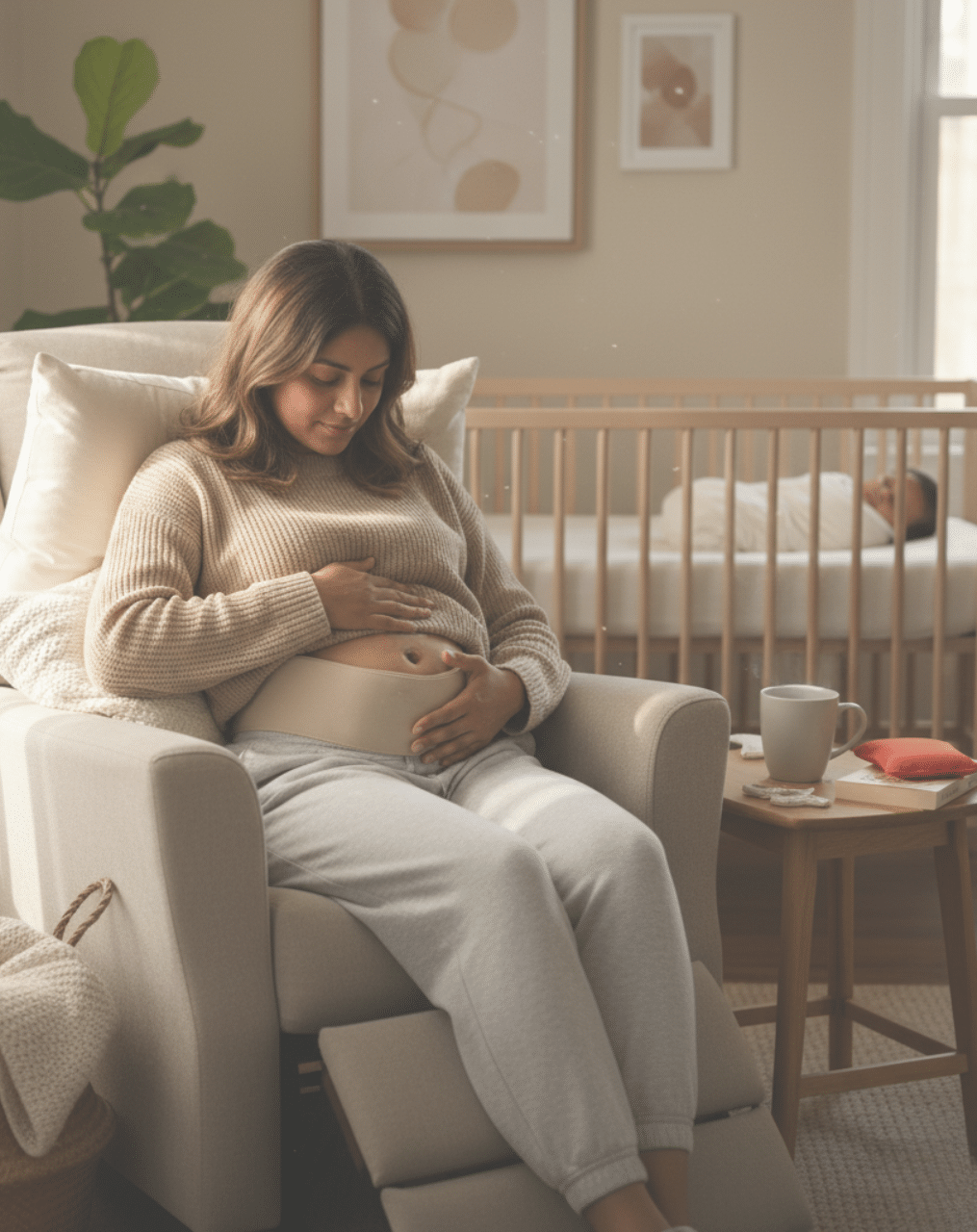
Many C-section moms struggle with persistent abdominal swelling and bloating. This is often called the “C-section shelf.” In fact, this is due to several factors. Firstly, there is internal swelling from the surgical trauma itself. Secondly, fluid retention is very common postpartum. Finally, the abdominal muscles have been shifted, causing temporary changes in appearance. Consequently, you must be patient with your body. Gentle abdominal massage (once cleared by your doctor) can help lymphatic drainage. Furthermore, prioritize walking as soon as you feel able. Movement improves circulation and helps your body process the excess fluid.
Scar Sensitivity & Nerve Healing Time
Your doctor will check the external incision. They confirm it is closed and healing properly. However, they may not discuss the months-long process of nerve regeneration. The nerves around the incision were cut during surgery. Therefore, you may experience areas of numbness, intense itching, or hypersensitivity. This is a normal part of the healing process. You should begin gentle scar massage only when your doctor gives the official go-ahead. This technique helps break up internal scar tissue. It also stimulates those healing nerves. In fact, using a high-quality silicone sheeting or gel dramatically improves the long-term appearance and feel of the scar.
The Log Roll is Your Best Friend
Getting in and out of bed is one of the hardest movements after surgery. You must avoid crunching your abdominal muscles. Consequently, the “log roll” technique is absolutely essential. To perform this, roll onto your side first. Keep your core and body in one straight line. Next, use your arms to push yourself up to a seated position. Finally, swing your legs gently over the side of the bed. Similarly, getting up from a chair requires a strategy. Always push up with your arms and avoid using your core strength initially. Mastering this movement is truly one of the most vital C-section recovery tips and secrets.
Driving and Lifting Restrictions are Real
The standard lifting restriction is typically nothing heavier than your baby. This limit protects your healing muscle tissue. Furthermore, most doctors advise against driving for two to six weeks. This timeline is not arbitrary. In fact, a major concern is your ability to quickly slam on the brakes in an emergency. Therefore, your reaction time needs to be sharp and pain-free. Rely heavily on your partner or support system for errands and transportation. This is truly the time to allow others to help you. Consequently, protect your incision and prioritize non-strenuous rest.
Emotional Trauma & Guilt are Common
Not all C-sections are planned. Many parents feel a sense of failure, guilt, or emotional trauma following an unexpected surgery. Furthermore, these feelings often accompany the physical recovery. Your mental health is just as important as your surgical site. You should seek out a specialized therapist if these emotions are overwhelming. Postpartum Support International (PSI) provides excellent local resources. In fact, normalizing these feelings is a crucial step in healing. Remember that you are a strong, resilient mother, regardless of how your baby arrived.
The Healing Timeline is Not Linear
Recovery is often depicted as a simple six-week journey. However, the reality is full of ups and downs. You will likely have days where you feel great. However, the very next day, a sudden flare-up of pain may occur. This non-linear timeline is one of the least discussed C-section recovery tips and secrets. You must listen to your body and avoid pushing yourself on those good days. Overexertion leads to setbacks. Furthermore, true internal healing takes many months. Therefore, grant yourself grace and acknowledge the marathon you are running.
The shift from hospital care to at-home healing is often abrupt, leaving new C-section mothers vulnerable to sudden increases in pain and frustration with limited mobility. The pain medication schedule changes dramatically, and the simple act of getting in and out of bed becomes a complex, painful maneuver. Furthermore, physical restrictions on driving and lifting are often underestimated, leading to overexertion and setbacks.

The Ultimate Rest and Clinical Solution: Wound Care and Medication Management
Even with the best C-section recovery tips and secrets, the most significant barrier to healing is a lack of deep, restorative rest. Fear of disturbing the incision or missing a medication dose often interrupts what little sleep new parents get. This is truly where expert clinical support becomes necessary.
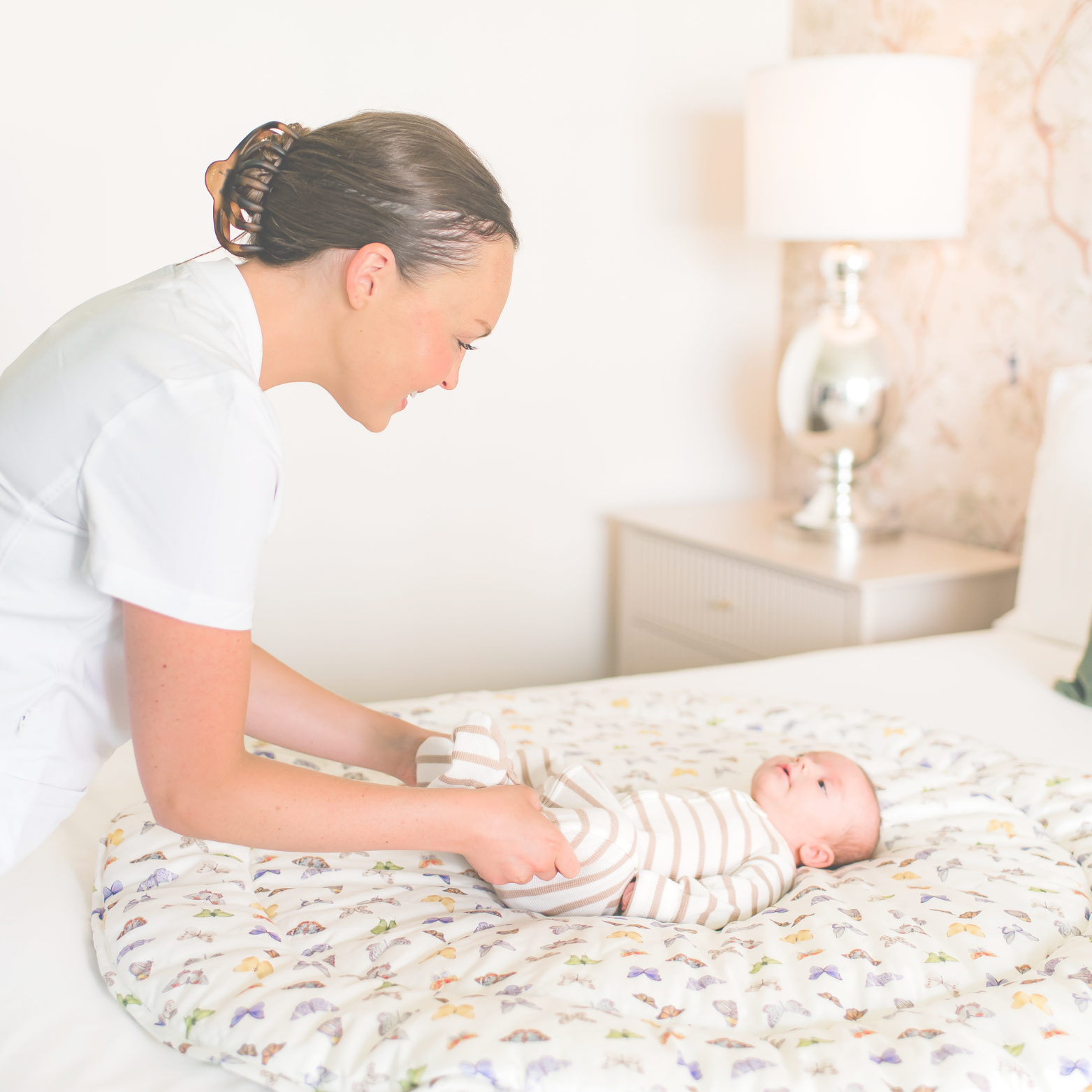
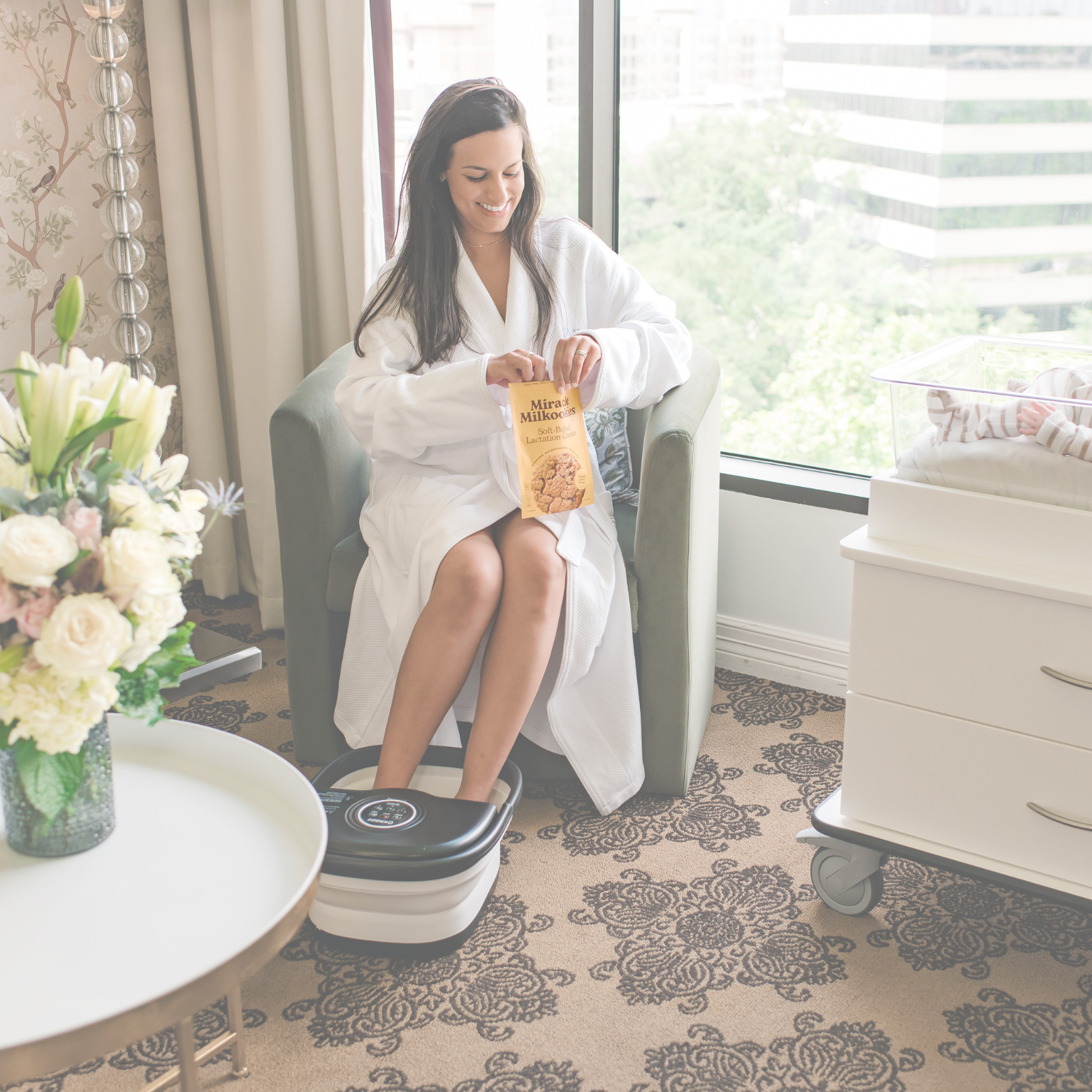
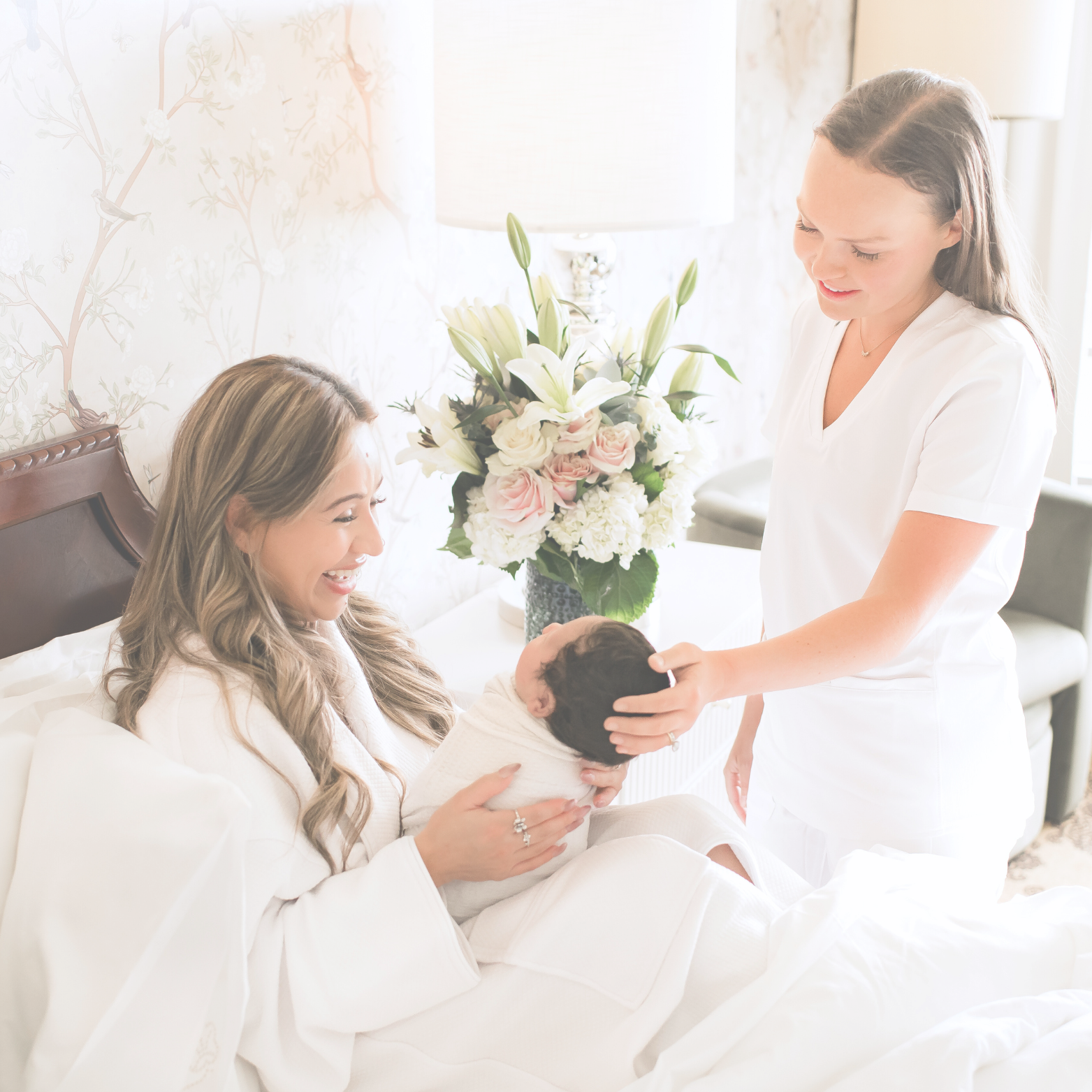
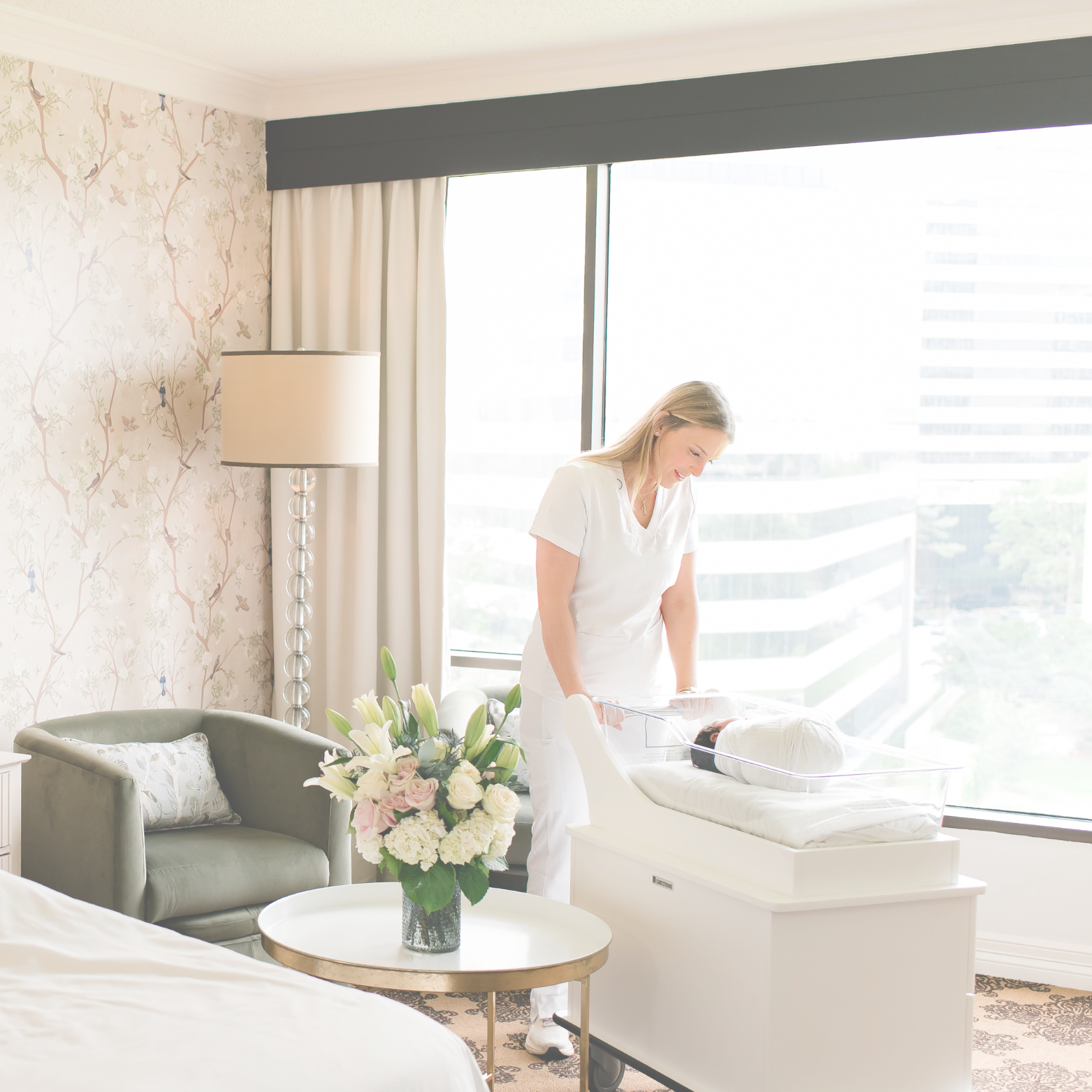
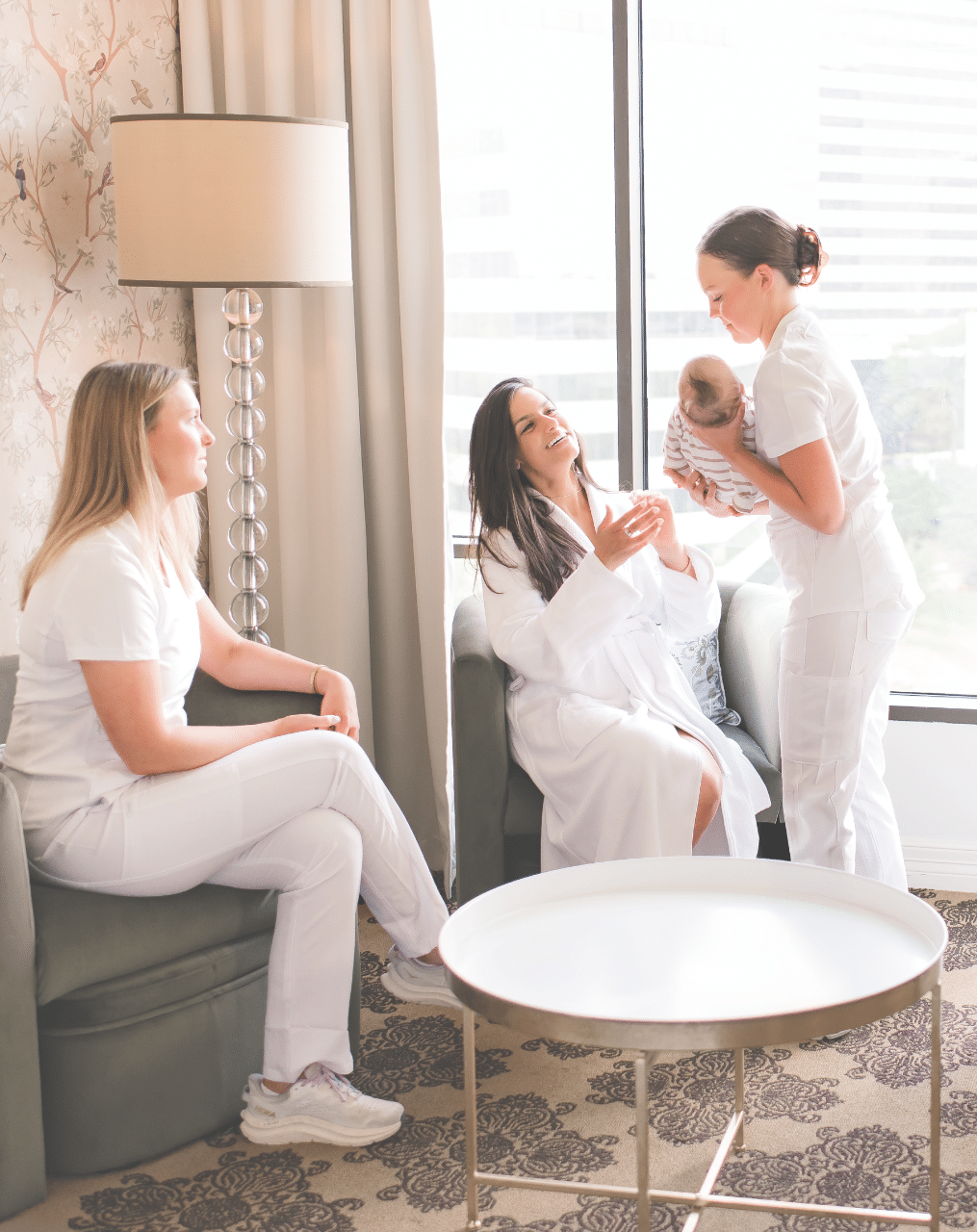
The RUBY Postnatal is a dedicated luxury postnatal retreat. It is located conveniently within the Omni Hotel in Houston, Texas. The RUBY Postnatal is specifically designed to solve the massive rest deficit and provide essential clinical oversight. Their highly trained Registered Nurses (RNs) and Licensed Vocational Nurses (LVNs) provide specialized infant care. They manage all nighttime infant care duties. Consequently, this provides the greatest tool for healing: uninterrupted, restorative sleep for both parents.
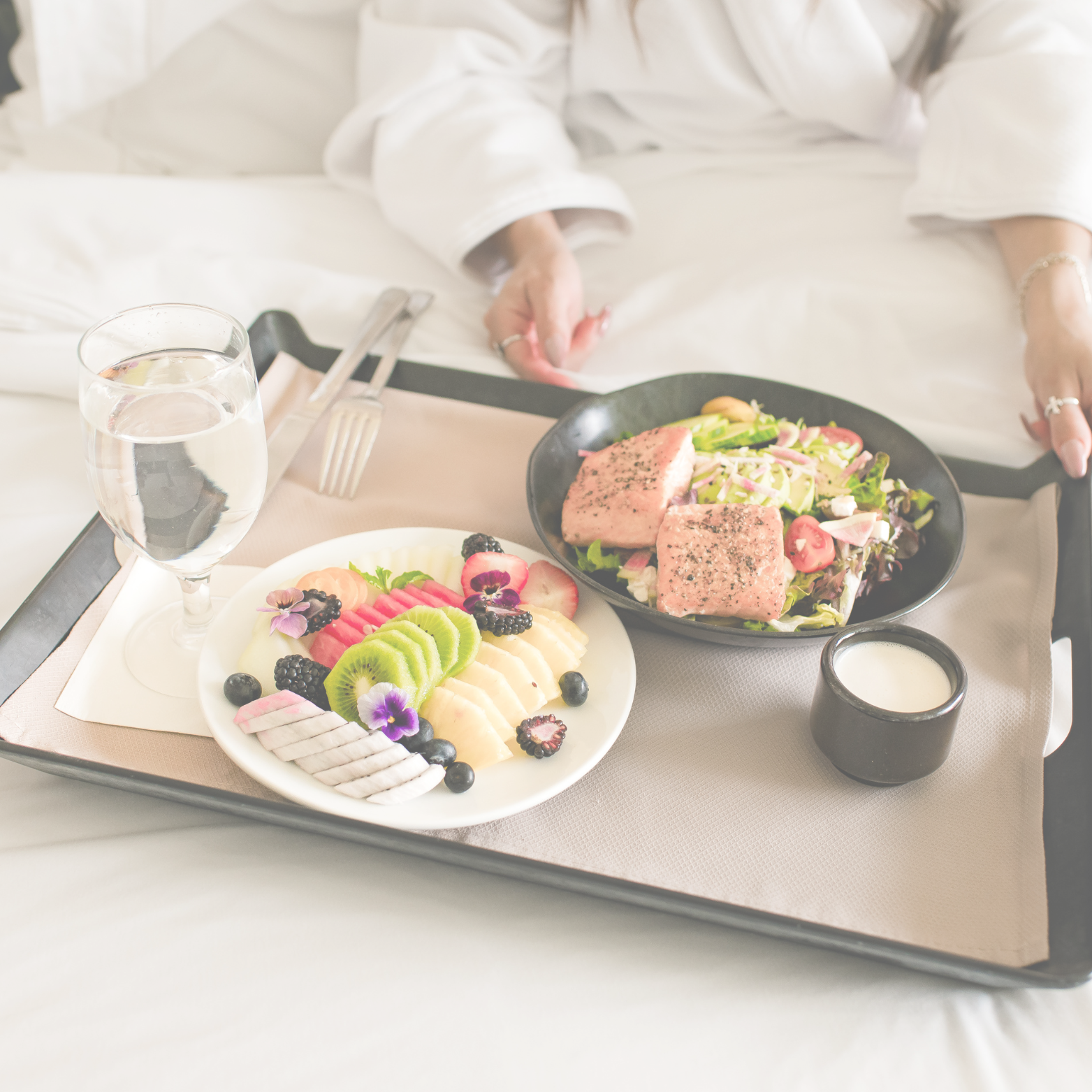
Crucially, these clinical professionals integrate the necessary medical support for C-section healing. They perform medication management, ensuring you stay ahead of your pain schedule, day and night. Furthermore, they provide professional wound checks for your incision site. They can also promptly identify any early signs of infection or complications. The presence of 24/7 nursing care means you receive expert monitoring without leaving the hotel. The RUBY Postnatal also includes lactation consultants and comprehensive wellness support. Chef-prepared, nourishing meals further support the healing process. Their comprehensive focus is on ensuring new parents approach recovery from a place of stability. You should choose expert care for your physical and mental health.
Summary
C-section recovery is a major journey requiring patience and preparation. You should focus on pain management, scar care, and using proper movement techniques like the log roll. Always respect the physical restrictions on driving and lifting. Furthermore, remember that emotional healing is just as vital as physical healing. Utilizing 24/7 nursing support, such as the clinical care provided by theRUBY Postnatal, is the most powerful way to guarantee deep rest and secure medical monitoring during those critical first weeks at home.
Frequently Asked Questions (FAQ)
Q: How to make a C-section heal faster?
A: You can optimize recovery by focusing on Rest (prioritize sleep and delegate tasks), Movement (gentle walking for circulation, but no straining), and Nutrition (high-protein, high-fiber diet). Consistently taking pain medication on schedule is one of the most effective C-section recovery tips and secrets to reduce inflammation and promote healing.
Q: What are the hardest days after a C-section?
A: The hardest physical period is usually Day 2 to Day 4 postpartum, when hospital anesthesia wears off and uterine afterpains are intense. The first few days at home are also extremely challenging, as you lose immediate hospital support while managing all of the demands of newborn care.
Q: Do and don’ts after cesarean section?
A:
- DO: Rest Deeply, use the Log Roll technique to get up safely, stay ahead of the pain schedule, and keep the incision clean and dry.
- DON’T: Don’t lift anything heavy (more than your baby), don’t strain (prevent constipation), and don’t drive for at least two weeks or until cleared. These are vital C-section recovery tips and secrets.
Q: What is the 5 5 5 rule postpartum C-section?
A: The 5-5-5 Rule is a guideline for protected recovery: Five Days In Bed, Five Days Around the Bed, and Five Weeks of Moderate Activity. The 24/7 nursing and care support at The RUBY Postnatal is designed to help new parents actually achieve this level of deep, uninterrupted rest, which is essential for C-section recovery.
Helpful Links
- American College of Obstetricians and Gynecologists (ACOG) – 8 Questions to Ask Your Doctor Before Labor Induction
URL: https://www.acog.org/womens-health/experts-and-stories/the-latest/8-questions-to-ask-your-doctor-before-labor-induction - Mayo Clinic – C-section Recovery: What to Expect
URL: https://www.mayoclinic.org/healthy-lifestyle/labor-and-delivery/in-depth/c-section-recovery/art-20047310 - Herman & Wallace Pelvic Rehabilitation Institute – Finding a PT
URL: https://pelvicrehabilitation.com/ (For scar tissue work and core rebuilding) - Intermountain Health: The Do’s and Don’ts of Healing from a C-Section
URL: https://intermountainhealthcare.org/blogs/the-dos-and-donts-of-healing-from-a-csection