

Baby’s First Bath: A Simple Step-by-Step Guide for New Parents
The idea of giving your Baby’s First Bath can feel both exciting and daunting. You are holding a tiny, slippery human, after all. Many new parents feel instantly nervous about this early milestone. However, with the right knowledge and preparation, bathing your newborn transforms into a wonderful bonding experience. It should be a soothing ritual, not a source of stress. Consequently, this comprehensive guide will walk you through the essential, step-by-step process. Ultimately, we aim to make your Baby’s First Bath a comfortable and safe success every time.
Achieving a stress-free baby’s first bath hinges entirely on planning and knowledge. It’s not just about getting the baby clean; it’s about fostering a sense of security and turning the routine into a soothing ritual.
Table of Contents
Preparation is Key: Setting the Stage for Baby’s First Bath
Preparation is the absolute cornerstone of a successful Baby’s First Bath. For this reason, you should gather absolutely every supply item before the process even begins. Leaving your baby unattended, even for a single moment, is never safe. Therefore, make sure you have everything immediately within easy reach.
Firstly, you must establish the right environment. The room temperature should be warm and cozy. Ideally, keep it around 75–80°F (24–27°C). This prevents chilling, which is a major concern for small newborns. Next, you need all your supplies organized on a nearby surface. Gather two soft towels; a hooded towel is perfect for maximum warmth. Furthermore, prepare one or two clean washcloths. Only use a mild, pH-neutral baby soap, or choose a specialized cleanser. Many doctors actually recommend plain water for the first few weeks, though. Remember, finally, to have clean diapers and fresh clothes ready for immediate dressing afterward.
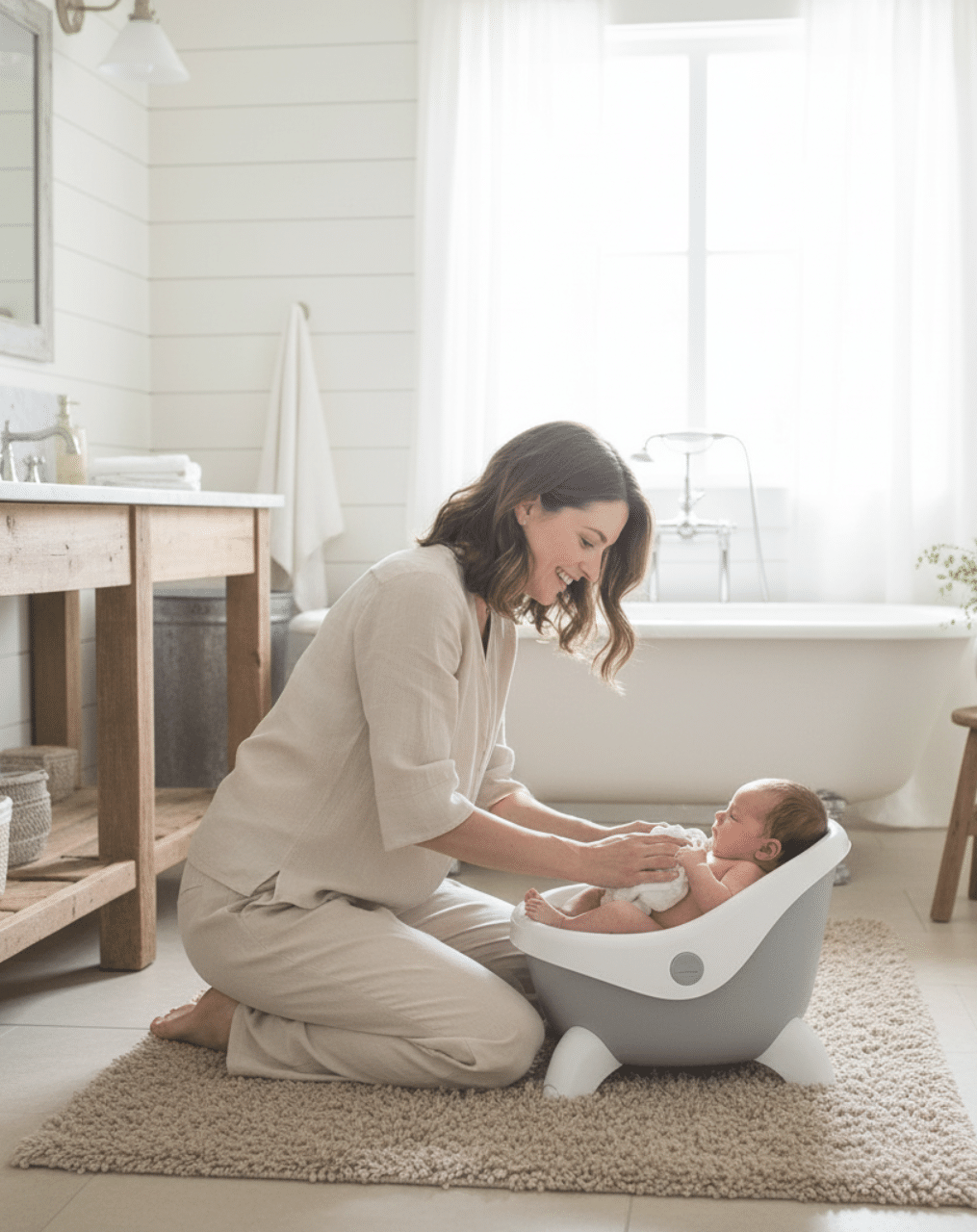
When preparing the water, use a dedicated infant tub. Alternatively, a clean sink lined with a towel works well. Nevertheless, never fill the water past two or three inches of depth. Also, the water temperature is absolutely vital for comfort and safety. Indeed, it should measure between 100°F and 102°F (38°C and 39°C). Consequently, you should use a bath thermometer. Always test the water with your wrist or elbow as a secondary check. It must feel warm but certainly not hot to the touch. Planning ahead truly minimizes stress for everyone involved.
Summary
Giving your Baby’s First Bath is a sweet and memorable parenting moment that can be tear-free. Remember that excellent preparation is always essential. Keep all necessary supplies within arm’s reach for crucial safety. Start with gentle sponge baths until the umbilical cord stump has completely healed. When you transition to the tub, maintain warm temperatures and keep the bath time short. By remaining calm and following these expert steps, you will quickly develop a comfortable, cherished bath time routine with your newborn.


Sponge Bath vs. Tub: When to Start the Baby’s First Bath
Deciding when to start the Baby’s First Bath depends entirely on one main factor: the umbilical cord stump. Generally speaking, a full immersion bath should be delayed until the stump has fallen off naturally. This usually occurs between one and three weeks after birth. Similarly, if your baby was circumcised, wait until that area is fully healed as well. Until these areas are completely dry and healed, a gentle sponge bath remains the safest and best method for cleaning.
The Gentle Sponge Technique
The sponge bath technique is incredibly simple. Moreover, it is very effective for keeping your newborn clean and comfortable in the early days.
- Preparation: First, place your baby on a soft, flat surface. A changing table or the floor, covered with a thick, clean towel, works best.
- Keep Warm: Next, keep your baby wrapped in a dry towel. Only expose the small area of the body you are actively washing. This simple step is key to maintaining their crucial body temperature.
- Wipe Face and Eyes: Then, begin by cleaning the face. Use only plain warm water on a soft washcloth. Wipe each eye from the inner corner outward. Be sure to use a fresh part of the cloth for each eye.
- Clean Body: After that, dampen the washcloth with the prepared warm water. Apply a tiny drop of soap only if absolutely necessary. Gently wash the neck folds, the armpits, and the genital area. These spots collect the most moisture and grime. Be extra gentle around the umbilical stump area, making sure to keep it dry and clean.
- Rinse and Dry: Finally, rinse the area with a fresh, plain water cloth. Pat the baby completely dry immediately afterward. Then, dress them promptly to restore warmth and prevent chilling.
By following this careful process, your early attempts at Baby’s First Bath will be secure and soothing.
The Tub Bath Procedure
Once the umbilical cord has fully dropped off, you can safely transition to a proper tub bath. Even so, keep these sessions short. About 5 to 10 minutes is plenty of time for cleaning. Remember always that safety is the primary concern. Never take your eyes off your baby. Always keep one hand supporting their head and neck throughout the entire bath.
- Lowering the Baby: First, firmly support the baby’s head and neck with one arm. Gently slide them feet-first into the infant tub. Use your free hand to scoop water over their body frequently. This important action keeps them warm and helps them stay calm.
- Washing: Next, wash the hair. Use a very small amount of mild baby shampoo. Gently massage the scalp to loosen any flakes. Tip the baby’s head slightly backward to keep the soap out of their sensitive eyes. Then, wash the rest of the body. Pay special attention to the folds of skin where moisture and dirt can hide.
- Rinsing: After washing, rinse all soap off thoroughly. Residual soap can definitely irritate and dry out delicate newborn skin.
- Exiting the Bath: Finally, lift the baby out immediately. Wrap them completely in the pre-warmed towel right away. Cuddle them close and begin the drying process. Pat them dry rather than rubbing the skin. Apply a hypoallergenic moisturizer if needed, and quickly diaper and dress the baby to retain warmth.
Common Concerns About the Baby’s First Bath
Concern 1: Crying and Fretfulness. Many babies cry during the initial Baby’s First Bath. They are typically reacting to a new sensation, the exposure, or the temperature change.
- Solution: Furthermore, try swaddling your baby lightly in a large, thin receiving blanket before you place them in the water. Gradually unwrap the swaddle once they are submerged. This simple technique provides a great sense of security. Additionally, ensure your voice remains calm and very soothing.
Concern 2: Cradle Cap. This is a common skin condition resulting in flaky, scaly patches on the scalp.
- Solution: Conversely, never try to pick at the scales. Before the Baby’s First Bath, gently massage mineral oil or baby oil onto the baby’s scalp. Let the oil sit for several minutes to soften the scales. Then, wash the baby’s hair with mild shampoo and use a soft brush or a fine-toothed comb to gently loosen the flakes.
Concern 3: Dry Skin. Newborn skin can easily become dry and irritated.
- Solution: Ultimately, you should limit the full tub baths to only two or three times a week initially. This preserves the natural oils on their skin. Furthermore, avoid heavily scented soaps or bubble baths entirely. Always apply moisturizer within three minutes of taking your baby out of the water. This step helps to lock in essential moisture.
Understanding the timeline for baby’s first bath is essential for their safety and comfort. Experts typically recommend delaying the full immersion bath until after the umbilical cord stump has naturally fallen off and the area is fully healed. Until then, a gentle sponge bath is the safest and most effective method.
Expert Postnatal Care and Continued Education: theRUBY Difference
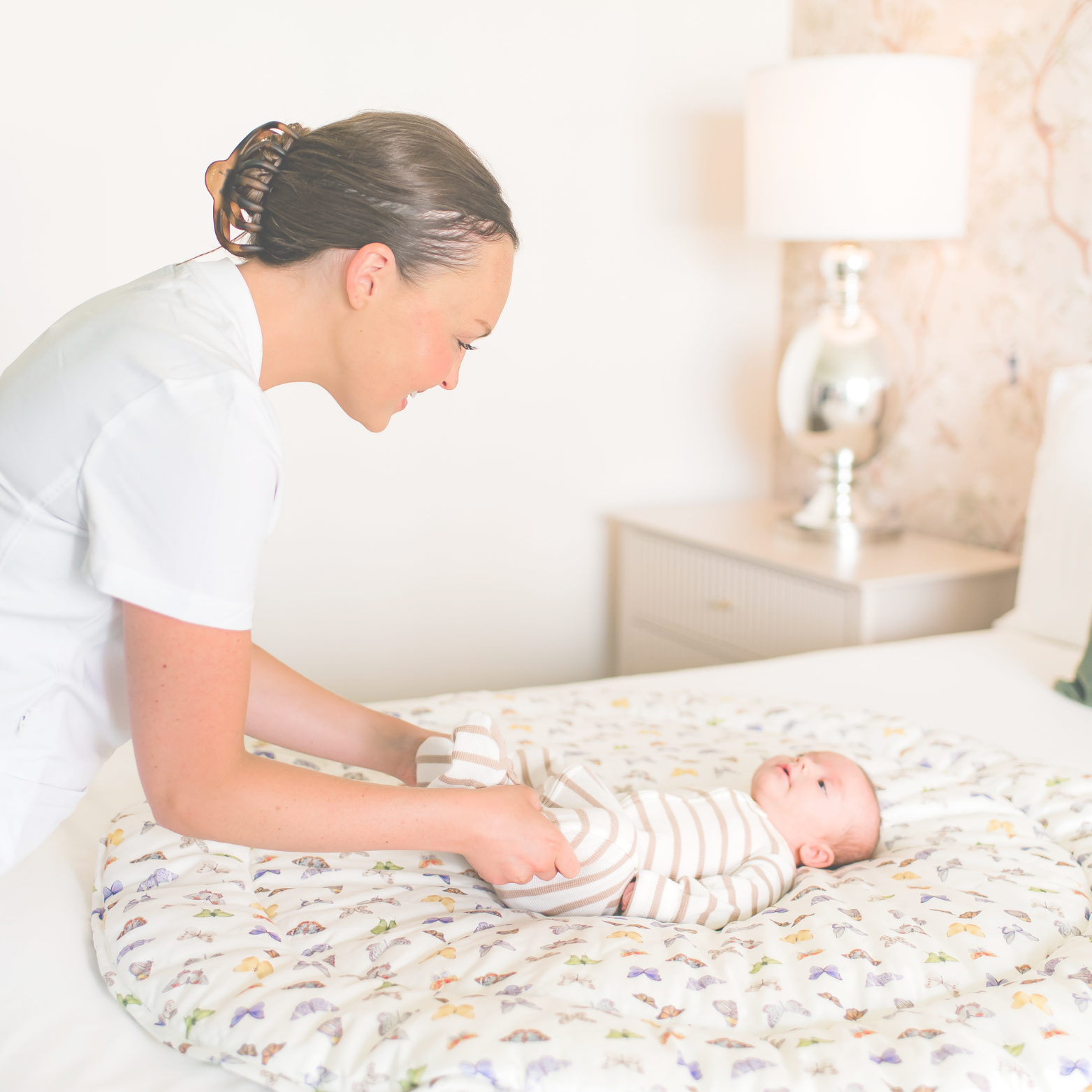
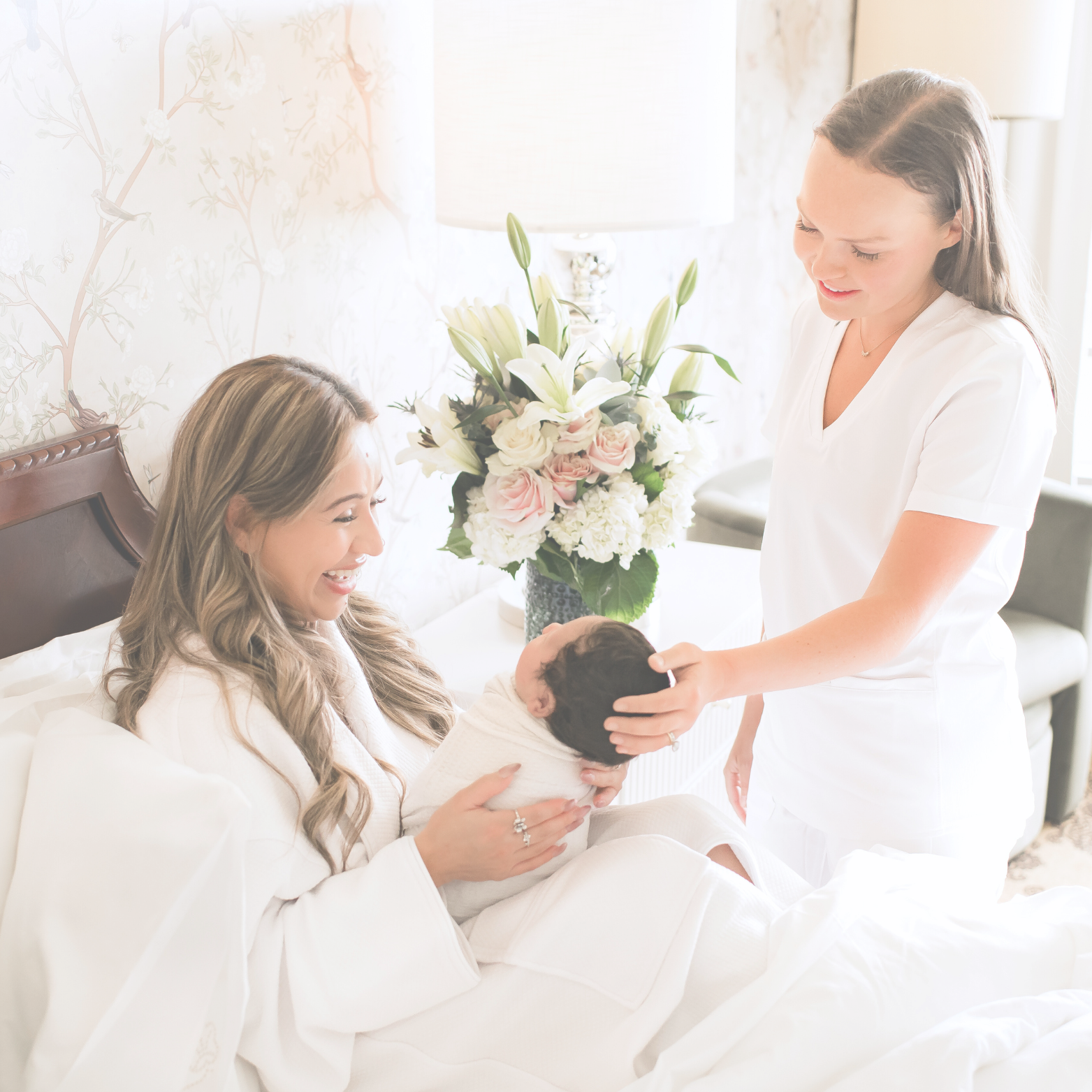
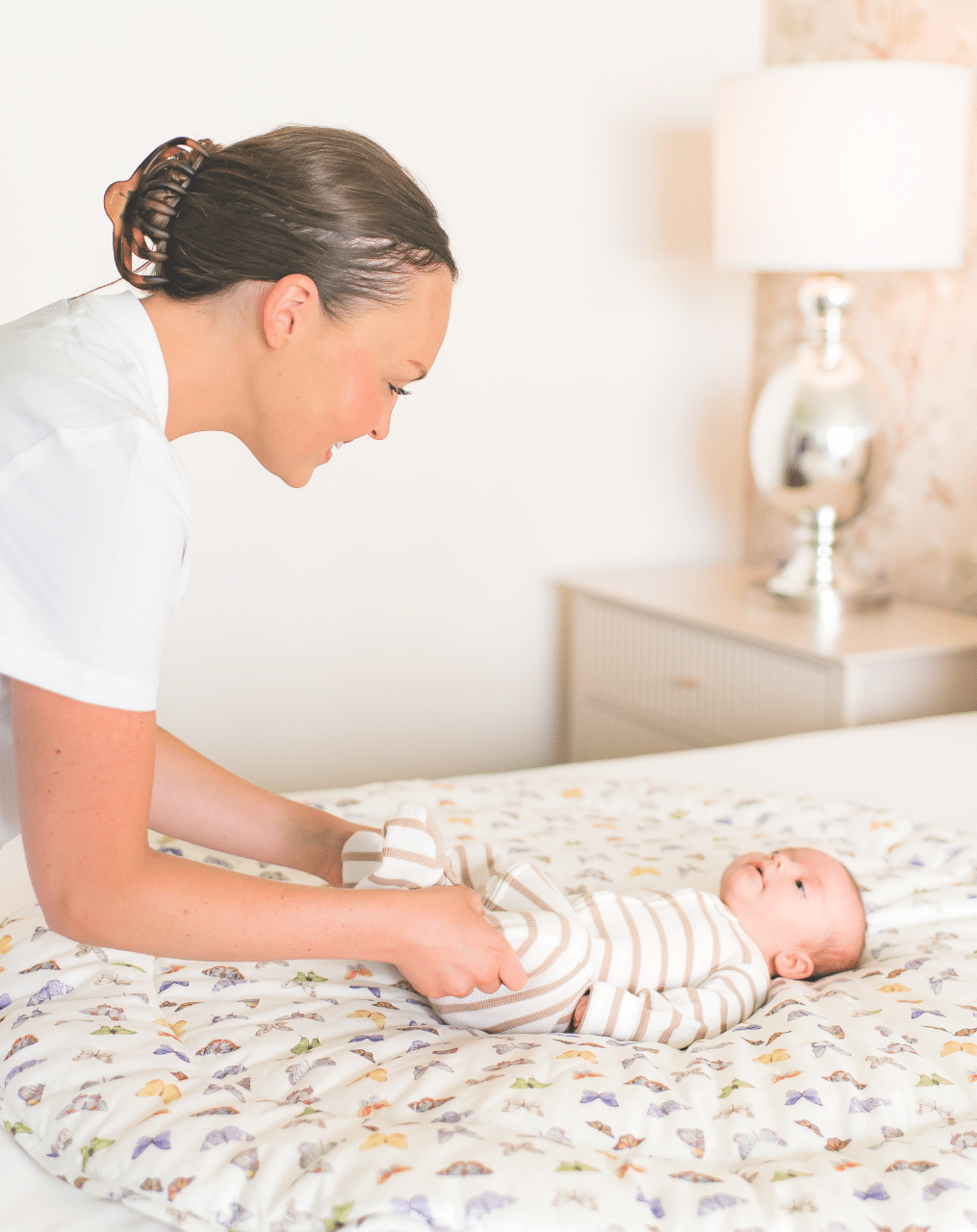
When you leave the hospital, the need for professional support only intensifies. This is precisely where a dedicated, expert resource like theRUBY Postnatal becomes invaluable to new families. Located within the luxurious Omni Hotel in Houston, Texas, theRUBY Postnatal is not just a place for rest; it’s an environment steeped in clinical expertise designed for the demanding fourth trimester. The facility is staffed by expert Registered Nurses (RNs) and Licensed Vocational Nurses (LVNs) specialized in comprehensive newborn care. They handle common challenges, including initial bathing instruction, jaundice management, and establishing effective feeding routines. When you have immediate questions about the right water temperature for the Baby’s First Bath or how to manage persistent cradle cap, having immediate, round-the-clock access to a clinical professional is absolutely essential.
Furthermore, theRUBY Postnatal provides continuous, hands-on parental education tailored to your needs. Their expert staff ensures you gain the necessary confidence to manage every aspect of newborn care—from safely executing the Baby’s First Bath at home to understanding complex sleeping patterns and cues. This unique, supportive approach means new parents don’t just recover physically; they are thoroughly educated. They are empowered with the real-world skills necessary to handle all the daily routines once home. It’s a vital bridge between the hospital phase and independent life, offering a safe space for crucial questions. theRUBY Postnatal consistently provides the highest level of recovery and continued parental education, allowing you to master skills like safe bathing with expert supervision.
Frequently Asked Questions (FAQ)
When should a newborn get their first bath? It is usually best to wait until the umbilical cord stump has completely fallen off and the area is dry, which typically happens between one and three weeks after birth.
What to do for a baby’s first bath? Preparation is key: gather all supplies, ensure the room and water (100–102°F) are warm, and never leave the baby unattended. Use a soft washcloth to gently wipe their body, focusing on folds and creases, and pat them dry immediately afterward.
How often should I bathe my newborn? Only two or three times a week is generally enough for newborns. You can and should spot-clean their face, neck, and diaper area daily.
Do I need a special tub? An infant tub is the safest option designed for newborns. You could also use a clean kitchen sink, but never a full-sized standard bathtub.
Should I use soap for the baby’s first bath? Plain warm water is definitely best for the first few weeks. If you must use soap, select a very mild, non-scented formula made for babies.
Helpful Links
- American Academy of Pediatrics (AAP) – Bathing Your Newborn: https://www.healthychildren.org/English/ages-stages/baby/bathing-skin-care/Pages/Bathing-Your-Newborn.aspx
- Mayo Clinic – Baby bath basics: A parent’s guide: https://www.mayoclinic.org/healthy-lifestyle/infant-and-toddler-health/in-depth/healthy-baby/art-20044438
- what to expect – How to Bathe Your Newborn Baby: https://www.whattoexpect.com/first-year/first-bath/
- Women’s Hospital – Bath Time for Baby: https://www.womans.org/services/pregnancy-childbirth/new-parent/newborn/bath-time