

After Birth Care – 20 Tips for New Moms
The postnatal period, often known as the fourth trimester, truly represents a monumental shift. Indeed, you transition from pregnancy to new motherhood. Certainly, focusing on your baby’s immediate needs is instinctual. However, your own recovery is equally critical. Therefore, prioritizing yourself ensures you have the necessary strength and resilience for this beautiful journey. Consequently, this expert guide offers 20 essential after birth care tips to help you heal both physically and emotionally. Ultimately, true preparation involves planning for your own recovery as much as preparing for the baby’s arrival.
💡 Pro Tip: Proactively schedule your six-week postpartum visit with a Pelvic Floor Physical Therapist before giving birth. Furthermore, this ensures you have an immediate appointment after the standard OB checkup, maximizing the efficacy of your after birth care tips. Truly, this is the single best way to accelerate your core recovery and prevent long-term issues like incontinence, which is a major concern for many new mothers.
Table of Contents
Area 1: Physical Healing & Comfort – Essential After Birth Care Tips
Postpartum recovery, whether you experienced a vaginal birth or a C-section, absolutely requires time and patience. Therefore, you must embrace rest as your highest priority. Consequently, these after birth care tips are foundational to rebuilding your strength and ensuring a smoother transition. Furthermore, understanding your body’s needs is the critical first step toward a complete recovery.
- Manage Perineal Discomfort: Firstly, use ice packs and witch hazel pads liberally. Since swelling and soreness are inevitable, these offer immediate, cooling relief. Furthermore, a peri bottle filled with warm water cleanses gently after using the toilet. Therefore, always remember to pat yourself dry instead of wiping to minimize irritation.
- Heal Your Incision (C-Section): Conversely, if you had a C-section, consistently keep the incision area clean and dry. Avoid lifting anything heavier than your baby during the initial weeks. Truly, proper wound care prevents infection and aids muscle repair. Moreover, watching for clear signs of increased redness or discharge is essential. This crucial part of after birth care tips protects your core.
- Manage Postpartum Bleeding: Moreover, heavy bleeding, or lochia, is perfectly normal for several weeks. Only use maternity pads, never tampons. Indeed, tampons can easily introduce bacteria and cause issues. Accordingly, monitor the flow and immediately seek medical advice if you soak more than one pad an hour.
- Take Your Pain Medication: Consequently, do not try to tough out the pain unnecessarily. Consistent, scheduled use of prescribed or simple over-the-counter pain relief allows you to rest and care for your baby more effectively. Also, talk to your doctor about all breastfeeding-safe options. Therefore, manage discomfort proactively before it spikes.
- Prioritize Pelvic Rest: Lastly, the first few weeks demand dedication to healing the entire pelvic area. Accordingly, this means avoiding intercourse and inserting anything into the vagina. Furthermore, avoiding strenuous physical activity reduces pressure. Truly, listening to your body’s signals during this time is one of the most vital after birth care tips you will receive.
Summary
The postpartum period is a profound chapter, demanding patience and self-compassion. Therefore, these 20 after birth care tips emphasize that your healing is paramount. Consequently, prioritize deep sleep, superior nutrition, and essential physical therapy. Furthermore, setting healthy, firm boundaries and actively seeking emotional support prevents both burnout and dangerous isolation. Remember, caring for yourself allows you to show up as the best version of a parent. Truly, a healthy, supported mother is the greatest gift to her baby.


Area 2: Nutritional & Wellness Support
Emotional recovery often goes hand-in-hand with physical healing. Therefore, you must fuel your body correctly. Adjusting to parenthood brings huge physical demands and hormonal shifts. Consequently, addressing nutrition and gentle movement helps stabilize your energy and mood. Furthermore, focusing on wellness ensures a more balanced transition.
- Stay Well-Hydrated: Firstly, drink plenty of water consistently. Hydration aids digestion, prevents uncomfortable constipation, and crucially supports milk production. Consequently, keep a large water bottle nearby at all times. Also, herbal teas can be incredibly soothing. Therefore, consistently replenishing fluids should be a primary goal.
- Nutrient-Dense Recovery: Secondly, focus entirely on healing foods. Complex carbohydrates, lean proteins, and healthy fats support rapid tissue repair. Because your body needs premium fuel, avoid relying on processed snacks. In fact, iron-rich foods replenish blood loss efficiently. Furthermore, this attention to nutrition enhances your overall wellness journey.
- Take Your Postnatal Vitamins: Moreover, continue taking your prenatal or switching to a dedicated postnatal vitamin. Indeed, these supplements ensure you replenish essential nutrients depleted during pregnancy and childbirth. Consequently, vitamins like iron, Vitamin D, and Omega-3s are vital, especially if you are breastfeeding. Therefore, don’t stop supplementing just because the baby is born.
- Seek Pelvic Floor Therapy: Truly, every mother benefits from professional assessment. A pelvic floor physical therapist helps restore core strength and function. Furthermore, they proactively address common issues like incontinence and pain. Therefore, view this crucial rehabilitation as a preventative measure. This is an advanced step in effective after birth care tips.
- Gentle Movement First: Lastly, avoid high-impact exercise initially. Instead, focus on gentle movements like walking, deep breathing exercises, and simple stretches. Consequently, these activities improve circulation and gently re-engage core muscles without causing strain. Therefore, listen to your body and slowly increase activity over weeks, not days.
Area 3: Emotional Well-being & Mental Health: Key After Birth Care Tips
Emotional recovery is often the most demanding part of the journey. Therefore, you must be incredibly kind to yourself. Adjusting to parenthood involves significant hormonal and identity shifts. Consequently, recognizing and proactively addressing these feelings is vital. Furthermore, remember that mental well-being is just as important as physical recovery in this phase of after birth care tips.
- Watch for Mood Disorders: Firstly, distinguish between the common “baby blues” (lasting up to two weeks) and Perinatal Mood and Anxiety Disorders (PMADs). If profound sadness, persistent anxiety, or intrusive thoughts last beyond two weeks, seek professional help immediately. Truly, PMADs are highly treatable. Therefore, talk to your provider about persistent symptoms without delay.
- Celebrate the Small Victories: Secondly, actively acknowledge everything you accomplish daily. Feeding the baby, taking a shower, or simply getting out of bed are monumental wins in this stage. Since you are doing a monumental job, recognizing your immense effort is important. Truly, self-recognition fuels your recovery process.
- Schedule Dedicated “Me Time”: Moreover, carve out 15 minutes each day just for yourself. This may simply be a short walk alone, a hot, uninterrupted shower, or reading a quiet book. Even a brief break can profoundly reset your mood. Therefore, protect this time fiercely against all interruptions. It is a necessary element of effective after birth care tips.
- Practice Self-Compassion: Furthermore, let go of the impossible expectation of being a “perfect” mother. Truly, there is no such thing as a perfect mother, only a good-enough one. Consequently, replace self-criticism with kindness and grace. Therefore, recognize that your best is sufficient, especially during this challenging time.
- Journal Your Feelings: Lastly, use a journal to regularly process the intense rush of emotions. Since pregnancy hormones are shifting rapidly, writing down your thoughts can provide clarity and release tension. Truly, this is a proactive mental health tool. Furthermore, simply documenting the joys and struggles helps you feel heard.
Area 4: Practical & Social Support – Implementing
Practical support is the engine that allows for physical and emotional recovery. Therefore, delegation and strong boundaries are essential. Consequently, don’t try to be a superhero. Furthermore, building a dependable network reduces your mental load significantly, allowing you to focus on bonding with your baby.
- Prioritize Consistent Sleep: Firstly, consistently sleep when the baby sleeps, regardless of the time of day. Therefore, resist the strong urge to do chores or check emails during naptime. This advice is critical for managing deep fatigue. Moreover, chronic sleep deprivation severely hinders physical and cognitive healing.
- Build a Meal Train: Secondly, ask friends, family, or community members to organize prepared meals for the first few weeks. Since cooking takes significant energy, outsourcing meals massively reduces stress. Furthermore, simple, ready-to-eat food ensures consistent, high-quality nutrition. Therefore, view this practical support as essential self-care.
- Limit Visitors: Consequently, set firm boundaries early regarding visitors. While everyone wants to meet the baby, entertaining visitors drains your limited energy. Accordingly, designate short visiting hours or ask people to help with a chore instead of just holding the baby. Truly, your priority is resting, not entertaining guests.
- Accept Help with the Baby: Furthermore, let your partner or support person regularly handle nighttime feeds, diaper changes, or baths. Since you just carried and birthed the baby, you unequivocally deserve time off duty. Therefore, delegate tasks without guilt or apology. Truly, this shared responsibility prevents critical burnout.
- Connect with Support Groups: Lastly, actively talking to other new moms alleviates feelings of isolation and inadequacy. Sharing experiences normalizes the immense challenges you face. Consequently, local support groups or verified online forums provide a necessary, safe space. This connection is a crucial element of constructive after birth care tips.
The postpartum period is often called the fourth trimester, signifying that recovery is a marathon, not a sprint. While focusing on your baby is natural, implementing practical after birth care tips is non-negotiable for long-term health.


Your Gold Standard of After Birth Care
After all the meticulous planning and the labor itself, traditional after birth care tips often fall short on consistent execution. Indeed, the challenging reality of round-the-clock newborn care makes dedicated self-prioritization nearly impossible for new mothers. The Ruby Postnatal, a luxurious, expert-led recovery retreat located inside the Omni Hotel in Houston, Texas, was created specifically to solve this gap. They deeply understand that a new mother needs more than just simple advice; she desperately needs dedicated, proactive support to truly rest and heal.
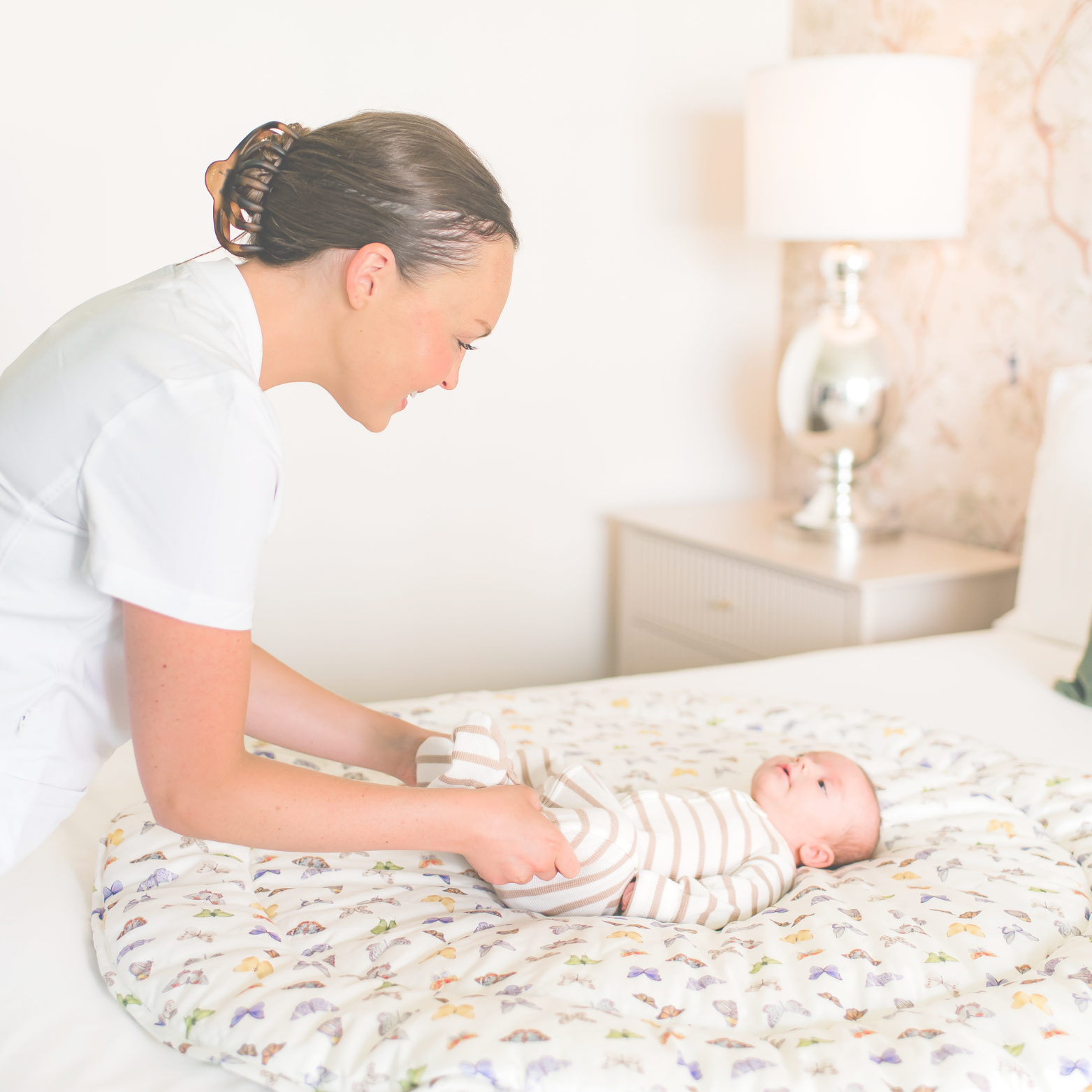
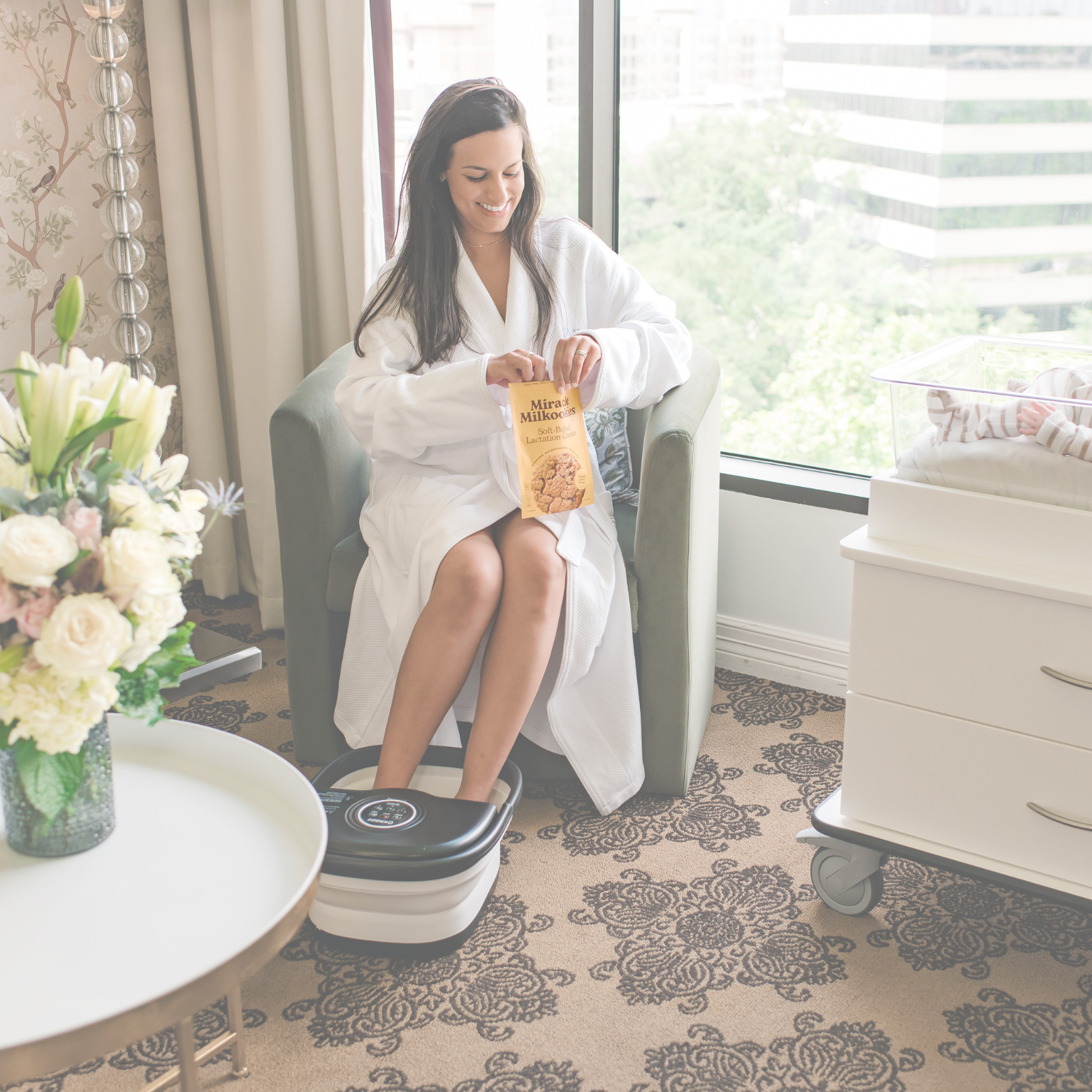
The Ruby Postnatal offers 24/7 dedicated infant care from specialized nurses, ensuring the birthing parent receives uninterrupted, restorative sleep—the true bedrock of all recovery. Furthermore, the retreat provides tailored, healing meals designed specifically to support tissue repair and milk production, alongside unlimited access to certified lactation consultants and physical wellness experts. Consequently, The Ruby Postnatal transforms the often-stressful fourth trimester into a restorative, guided, and empowering experience, embodying the absolute gold standard in comprehensive postpartum recovery.
Frequently Asked Questions (FAQ)
Question: How long does postpartum recovery usually take? Answer: Physical recovery typically takes six to eight weeks. However, full recovery of core strength and hormonal balance can realistically take six months to a year. Therefore, be patient with your body’s amazing process. This is why following these after birth care tips consistently is so important.
Question: What do I need after giving birth? Answer: Essentially, you need three things: support, rest, and comfort items. Consequently, this means setting up a comfortable nursing station, stocking up on pads and pain relief, and arranging for family help or a meal train. Truly, prioritizing support and comfort streamlines your healing.
Question: What is the 5-5-5 rule after birth? Answer: The 5-5-5 rule is a traditional guide encouraging rest: 5 days in the bed, 5 days on the bed or around the room, and 5 days around the house. Therefore, this rule emphasizes a gradual, protected return to activity. Consequently, listening to this ancient wisdom is one of the best after birth care tips you can follow for proper healing.
Question: What are the signs of postpartum depression (PPD)? Answer: Signs include persistent profound sadness, intense anxiety, overwhelming feelings of worthlessness, difficulty bonding with the baby, or inability to sleep even when tired. Therefore, if these last longer than two weeks, urgently seek professional help.
Question: What not to do after giving birth? Answer: Firstly, do not lift anything heavier than your baby (especially after a C-section). Secondly, do not use tampons (only pads). Furthermore, do not try to exercise strenuously before your six-week checkup. Finally, do not isolate yourself; reach out for help. These non-negotiable after birth care tips protect your physical healing.
Helpful Links:
- Mayo Clinic – Postpartum care: What to expect after a vaginal birth
- Parents.com – 10 Things You Need After Having a Baby
- frida – Labor and Delivery + Postpartum Recovery Kit – A package for mom