

Signs of Postpartum Depression: Essential Guide for New Mothers
The transition to motherhood is life-changing. It fills your world with unimaginable love. However, for many women, it also brings unexpected struggle and darkness. Postpartum Depression, or PPD, is a serious medical condition. It affects nearly one in seven new mothers in the United States every year. Therefore, understanding PPD is vitally important for both mother and family.
This article is your essential guide. It helps new moms distinguish between the common “baby blues” and true PPD. Furthermore, it outlines key symptoms. We will also discuss concerns and highlight proven solutions. Remember: PPD is treatable, and seeking help shows great strength, not weakness.
In this article, we also highlight how dedicated postnatal care, like that offered by The RUBY Postnatal, can be an integral part of a comprehensive recovery plan.
Table of Contents
Understanding the Difference: Blues Versus PPD
Many new mothers experience the “baby blues” shortly after delivery. This condition is quite common. Symptoms often include mood swings and feeling tearful. You might also feel anxious or restless. These feelings generally peak around day five and disappear within two weeks. Hormonal shifts cause this. Sleep deprivation also plays a role.
Postpartum Depression is significantly different. First, its symptoms are much more intense. Secondly, they last for longer than two weeks. PPD can start anytime within the first year after childbirth. Crucially, PPD does not resolve on its own. Professional help is necessary for recovery. Ignoring these severe signs only prolongs suffering.
Quick Summary:
The journey into motherhood brings profound joy! However, for many, it also introduces unexpected darkness. Postpartum Depression (PPD) is a serious, yet treatable, medical condition that affects up to one in seven new mothers. It is distinctly different from the mild, short-lived “baby blues.” Recognizing PPD early is crucial for both mother and child. This detailed article explores the subtle and overt emotional and physical signs, examines common fears, and provides a pathway toward healing.


Key Emotional Signs of Postpartum Depression
PPD impacts a mother’s emotional well-being profoundly. It can present in various ways. You should watch for these specific shifts:
- Persistent Sadness: Feeling deeply sad or “empty” most of the day is a major sign. You might cry frequently, perhaps without any clear reason.
- Intense Irritability or Anger: Instead of sadness, some mothers feel extreme rage. Small things trigger intense frustration and anger. This is often directed at a partner or other family members.
- Loss of Pleasure (Anhedonia): You might lose interest in activities you once enjoyed. Even finding joy in your baby’s presence can feel impossible.
- Hopelessness and Guilt: Overwhelming feelings of worthlessness plague many PPD sufferers. You may believe you are a terrible mother. You may feel consumed by guilt and self-blame.
- Severe Anxiety and Worry: This goes beyond normal new-parent concern. You might experience persistent, intense anxiety. Panic attacks can also occur frequently.
s
Physical and Cognitive Red Flags In Signs of Postpartum Depression
PPD is not just an emotional state; it affects the entire body. The physical and mental toll can be debilitating. Here are some of the signs of postpartum depression:
- Sleep Problems: You may suffer from insomnia. This means an inability to sleep even when the baby is resting. On the other hand, you may sleep excessively throughout the day.
- Appetite Changes: Significant changes in eating habits are common. You may eat far less than usual. Conversely, you might overeat (comfort eating). This can lead to noticeable weight changes.
- Overwhelming Fatigue: You will feel a profound lack of energy. This exhaustion does not improve with rest or sleep.
- Concentration Issues: Focusing on tasks becomes difficult. You may struggle to remember details. Simple decision-making feels overwhelming.
- Thoughts of Self-Harm or Harming the Baby: This is a critical emergency. If you experience thoughts of hurting yourself or your baby, seek help immediately. Call 911 or a crisis hotline right away.
Common Concerns: Bonding and Isolation
Many new moms worry about their connection with the baby. Therefore, a lack of bonding is a common PPD concern. You might feel emotionally distant from your newborn and this is one of the signs of postpartum depression. You may not feel the expected rush of maternal love. Sometimes, mothers feel indifferent toward the baby. This is terrifying but an acknowledged symptom of PPD.
Furthermore, mothers with PPD often withdraw. They pull away from family and friends. Social isolation becomes a serious issue. They fear judgment from others. They worry that people will think they cannot cope. However, isolation makes PPD much worse. Reaching out is crucial for recovery. Support systems are vital at this time.
Paths to Healing: Practical Solutions to Signs of Postpartum Depression
Fortunately, PPD is highly treatable. A combination of approaches usually works best. Early intervention greatly improves outcomes. Please do not wait for the signs of postpartum depression to disappear on their own.
- Seek Professional Help: Consult your healthcare provider immediately. This includes your OB-GYN or primary care doctor. They can screen you for PPD. They will then recommend appropriate specialists.
- Reference Link 1: Symptoms – Postnatal depression – NHS (UK)
- Therapy (Psychotherapy): Talking to a mental health professional helps immensely. Cognitive Behavioral Therapy (CBT) and Interpersonal Psychotherapy (IPT) are effective. A therapist provides coping strategies. They also help reframe negative thought patterns.
- Medication: Antidepressants are often prescribed. These medicines can help balance brain chemistry. Many are safe to use while breastfeeding. Discuss options thoroughly with your doctor.
- Reference Link 2: Postpartum depression – Diagnosis and treatment – Mayo Clinic
- Build a Strong Support System: Accept all offers of help from loved ones. Ask for assistance with chores, meals, and childcare. Do not feel obligated to “do it all.” In fact, accepting help is an act of good mothering.
- Reference Link 3: Postpartum Support International (PSI) – Get Help
- Prioritize Rest and Self-Care: Sleep deprivation compounds depression. Rest when the baby rests, if possible. Even short naps can help immensely. Eat nourishing, healthy meals. Take a short walk daily for physical activity.
- Connect with Others: Join a support group for new mothers. Sharing experiences reduces feelings of isolation. Knowing you are not alone provides immense comfort.
- Reference Link 4: Postpartum depression – Women’s Health.gov
To Consider:
It can feel impossible to distinguish normal new-parent exhaustion from a more serious health challenge. Many mothers dismiss their intense sadness or anxiety, believing it is simply ‘part of the experience.’ However, symptoms that persist beyond two weeks or feel overwhelming signal a need for professional attention. This deep dive into PPD will equip you with the knowledge to identify concerning emotional shifts, physical changes, and thoughts related to self-worth or the baby.


The Sanctuary of Recovery: Introducing The RUBY Postnatal
The postpartum period needs dedicated healing. Mothers often face intense demands after a quick hospital discharge. This lack of focused care can dramatically worsen PPD symptoms. Consequently, a new model of support is emerging. It prioritizes the mother’s complete recovery and well-being.
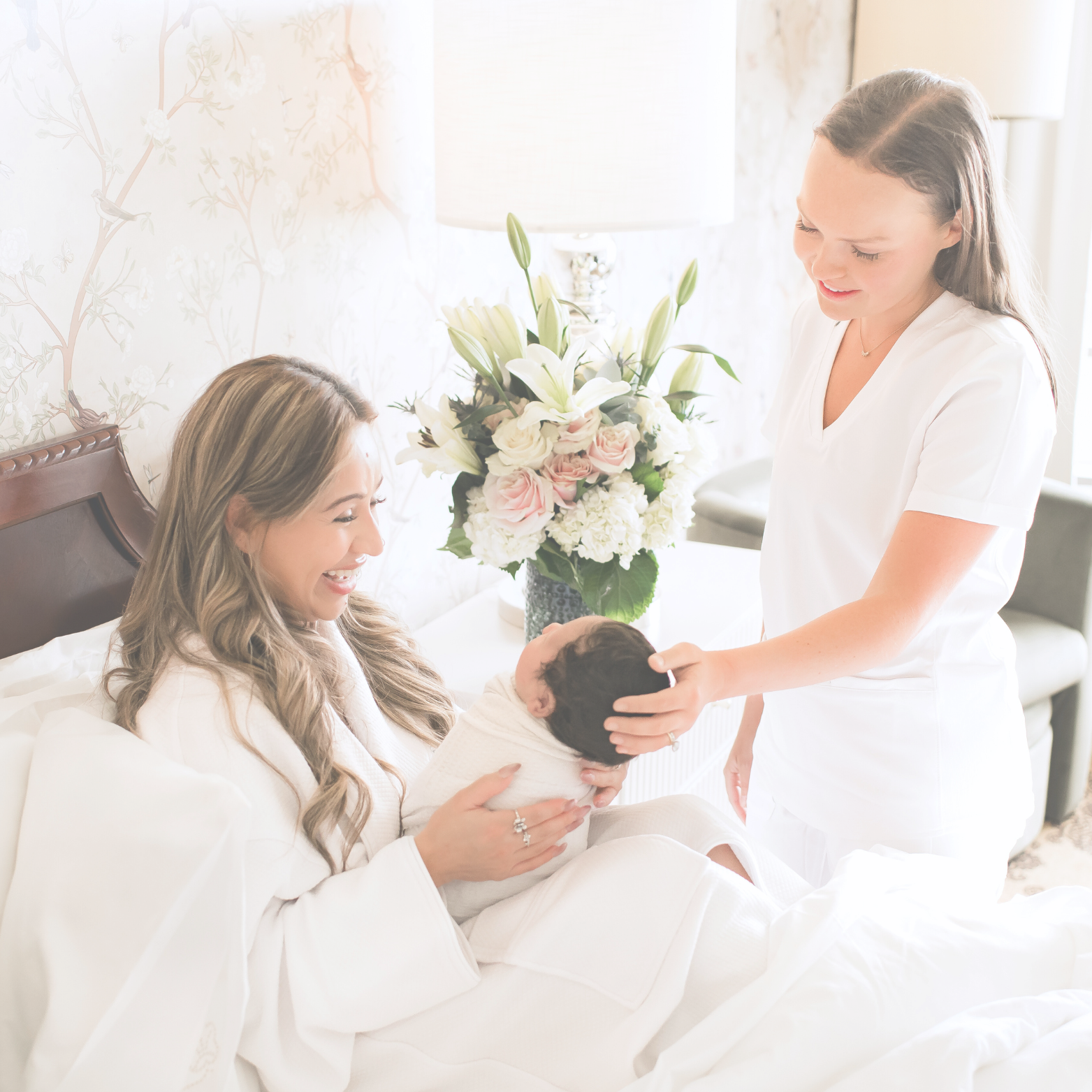
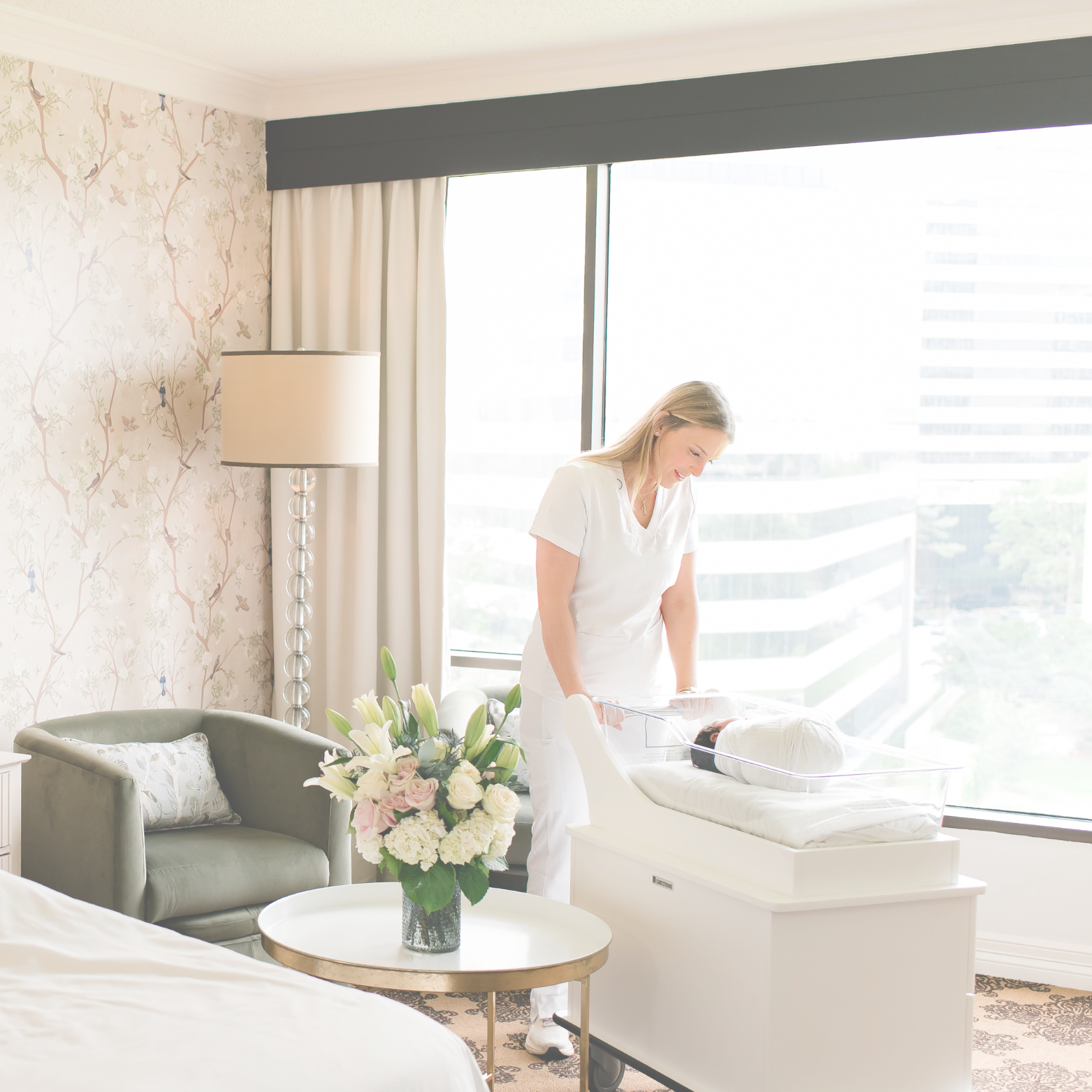
The RUBY Postnatal provides this specialized, supportive environment. It is a luxury postnatal retreat located in Houston, Texas, inside the beautiful Omni Hotel. The RUBY acts as a sanctuary, designed for uncompromising rest and support during the critical early weeks. Their philosophy is simple: New mothers deserve focused, expert care.
Skilled nurses and specialists offer 24/7 postnatal support. The dedicated nursery staff also provides 24/7 newborn care. This allows the mother essential, uninterrupted rest—a vital step in combating the severe exhaustion and isolation that fuel PPD. Chef-made, nutrient-rich meals promote physical healing. Lactation consultants offer private, scheduled support. The luxury suites offer a tranquil haven, reducing stress and fostering mental clarity. The RUBY Postnatal is a crucial bridge. It helps mothers transition from hospital care to confident, supported life at home, confirming their expertise in maternal recovery.
Summary of Essential PPD Facts
PPD is a widespread, serious but treatable condition. It involves more intense, persistent sadness and anxiety than the “baby blues.” Seek professional help if symptoms last longer than two weeks. Remember that help comes in many forms. This includes therapy, medication, and a strong support network. Furthermore, never hesitate to reach out for immediate help in a crisis. Prioritizing your mental health is paramount for both you and your baby.
Frequently Asked Questions (FAQ)
Q: How long does Postpartum Depression (PPD) typically last?
A: PPD symptoms may last for months without treatment. They can sometimes last for over a year. However, with proper treatment like therapy and medication, most people fully recover. Therefore, seeking immediate help is essential.
Q: Can PPD be prevented?
A: There is no guaranteed way to prevent PPD. However, you can significantly reduce your risk. Focus on proactive measures. Maintain a healthy lifestyle during pregnancy. Establish a strong support network beforehand. Prioritizing rest and proper nutrition is important.
Q: Is it safe to take antidepressants while breastfeeding?
A: Yes, many antidepressants are safe while breastfeeding. Your healthcare provider will help you. They will choose a medication with low risk to your baby. They weigh the benefits of treatment against any potential side effects.
Q: How does The RUBY Postnatal help with PPD recovery?
A: The RUBY provides a healing environment. It offers 24/7 professional support. This includes skilled nurses and newborn care specialists. This allows the mother essential, uninterrupted rest. This recovery model combats the exhaustion and isolation that worsen PPD.
Q: What is the first thing I should do if I suspect I have PPD?
A: Call your healthcare provider or OB-GYN immediately. Share your symptoms openly and honestly. They can begin the process of formal screening and treatment. If you are in crisis or have thoughts of harm, call a crisis hotline or 911.