
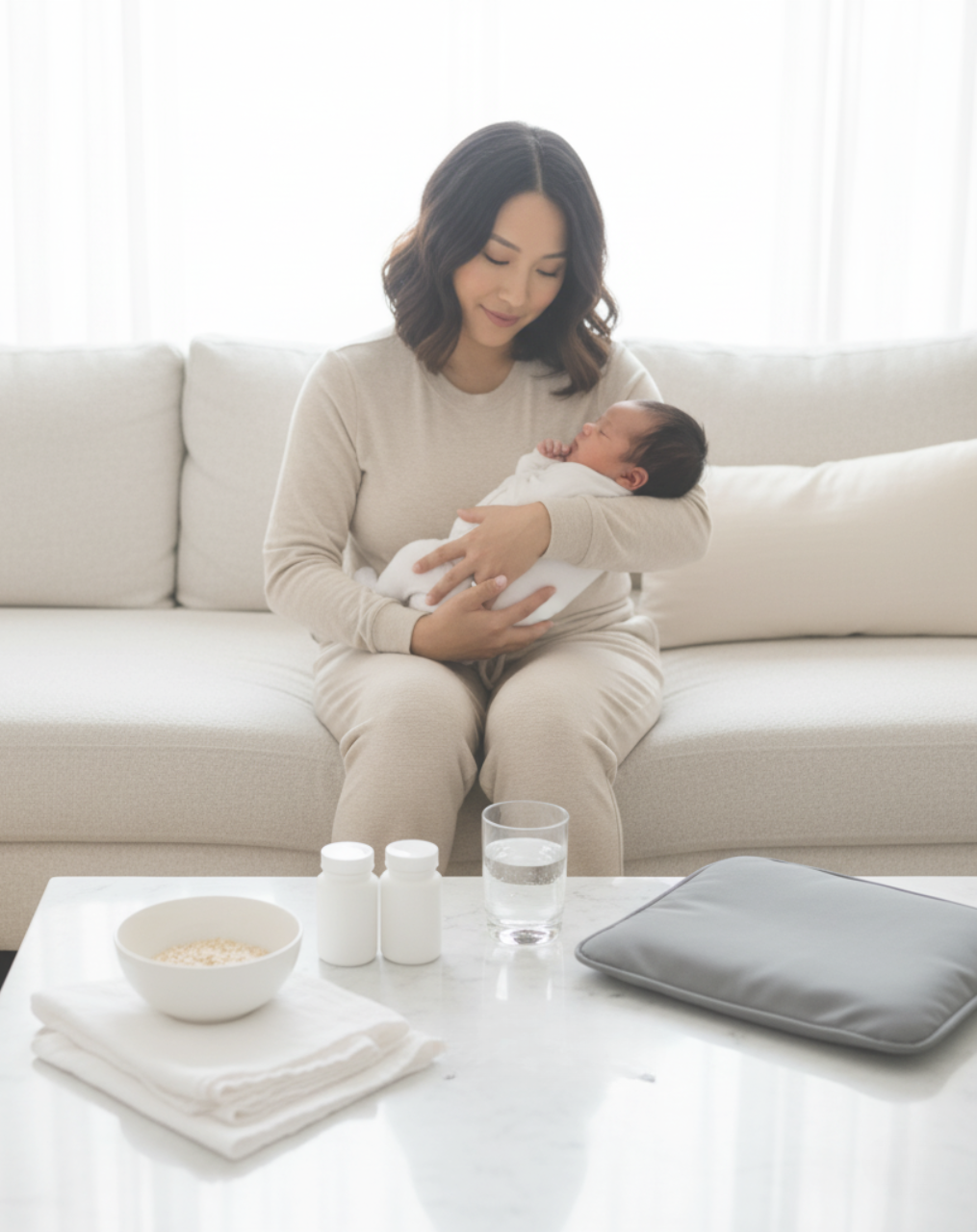
10 C-Section Recovery Items: Your Ultimate Comfort Checklist
Recovery from a Cesarean section is not simply postpartum recovery; it is, in fact, recovery from major abdominal surgery. Therefore, this distinction is crucial because it entirely changes the list of essentials you need in your hospital bag and at home. Specifically, you are healing a deep, layered wound while simultaneously embarking on the most exhausting journey of your life: new motherhood.
The common narrative often minimizes the physical toll of this process, consequently leaving many mothers feeling unprepared for the restrictions on lifting, bending, and even laughing. However, our mission here is simple: we want to empower you with an expert-curated checklist of items that actively facilitate healing, manage pain, and restore your confidence during this essential transition. Ultimately, these are the tools that bridge the gap between hospital care and home recovery, allowing you to focus on bonding with your newborn instead of managing discomfort.
Don’t just survive your C-section recovery—thrive! This list reveals 10 essential items, from high-waist support to pain relief. Get comfortable, heal faster, and reclaim your rest.
Table of Contents
The Golden Rules of C-Section Recovery
Before diving into the items, let’s quickly address the primary concerns post-surgery and the principles of comfortable healing:
- Protect the Incision: You must prevent pressure and friction on the horizontal line of your recovery. This means no tight waistbands, no heavy lifting, and using a pillow to “splint” or brace your abdomen when you cough, laugh, or try to sit up.
- Prioritize Mobility: Gentle walking is essential. It prevents blood clots and stimulates digestion, which is often sluggish after surgery and pain medication. You must move, but you must do it carefully.
- Stay Ahead of the Pain: Don’t wait until the pain peaks to take medication. Stay on your doctor-approved schedule. Managing pain ensures you can move, feed your baby, and rest effectively.
- Prevent Constipation: This is non-negotiable. Straining the abdominal muscles to pass a bowel movement is one of the most painful experiences post-C-section. Hydration and stool softeners are your best friends.


1. High-Waisted, Supportive Underwear
The mesh underwear provided by the hospital is soft, but it offers minimal protection and support. Transitioning into specialized high-waisted postpartum underwear is a game-changer.
- Why You Need It: A standard brief or bikini cut will hit directly on your incision, causing irritation and friction. C-section-specific underwear features a high-rise waistband that sits well above the incision line. Many are designed with gentle, non-restrictive compression panels. This compression stabilizes the abdominal muscles, which were separated during the surgery. This stabilization reduces pain when you stand, walk, or change positions.
- The Solution for a Common Concern: Many mothers worry about the incision rubbing against clothing. Look for styles that are seamless or have a seam strategically placed high on the waist. Breathable, stretchy cotton or bamboo material is best for incision health. You must keep the area dry and allow air to circulate.
2. An Abdominal Binder or Support Wrap
While the hospital might provide a basic binder, having one you can adjust comfortably is key.
- Why You Need It: An abdominal binder offers targeted, external support to your core. The gentle pressure helps hold the tissues and skin together, giving your healing muscles a break. It’s particularly helpful in the first two weeks for improving mobility, reducing swelling, and giving you the confidence to move around the house. Research indicates that using an abdominal binder post-Cesarean section can significantly reduce pain and bleeding while increasing walking ability.
- Addressing Concerns: The key is support, not compression. This is not a waist trainer. The binder should feel supportive, not restrictive or tight. Always consult your doctor or physical therapist before using one, especially if you have diastasis recti.
3. Stool Softener (Docusate Sodium) and Fiber Supplements
This item is absolutely non-negotiable for a comfortable recovery.
- Why You Need It: Post-surgical pain medication (opioids), general anesthesia, and the trauma of abdominal surgery all slow down your digestive system. The last thing you want is a painful, straining bowel movement that puts massive pressure on your incision. Stool softeners like docusate sodium work by letting water penetrate the stool, making it easier to pass without strain.
- Solutions and Tips: Start taking your stool softener as soon as you get home, or even in the hospital, with your provider’s approval. You must couple this with aggressive hydration—aim for over 100 ounces of water daily—and a high-fiber diet to ensure optimal function.
4. A Firm, Ergonomic Nursing Pillow
Even if you bottle-feed, a nursing pillow is a C-section essential.
- Why You Need It: Holding a newborn directly against your abdomen, especially during a long feeding session, is painful and risky for the incision. A nursing pillow (like a Boppy or My Brest Friend) acts as a protective shield. You position the pillow over your lap, and the baby rests entirely on it, keeping their weight and pressure off your delicate surgical site. It also provides crucial back support, helping you maintain a comfortable, upright posture.
- Beyond Feeding: Use this pillow to brace your abdomen when you laugh, cough, or sneeze. Holding it tightly against your stomach provides the necessary splinting action to absorb the impact and minimize pain.
5. A High-Volume Water Bottle with a Straw
Hydration is a cornerstone of C-section healing, yet it becomes surprisingly difficult to manage.
- Why You Need It: Hydration is vital for:
- Healing your incision wound.
- Preventing the constipation discussed above.
- Supporting milk production if you are breastfeeding.
- Combating swelling and fluid retention, which are common post-surgery.
- A large, insulated bottle (40+ oz) with a built-in straw is key. The straw allows you to drink while lying down or sitting up without having to lift a heavy bottle and put strain on your core. Keep it at your bedside 24/7.
6. Silicone Scar Sheets or Scar Gel
Long-term care for the incision starts once the wound has fully closed.
- Why You Need It: While the incision might look healed on the surface after a few weeks, the underlying tissue takes much longer. Silicone strips or gels are the gold standard for scar management. They work by hydrating the scar tissue, which helps flatten and soften the scar while reducing redness. Experts recommend starting this treatment only once your doctor confirms the external incision is fully closed (typically around 2–3 weeks postpartum) and continuing use for several months.
- Common Concern: Many mothers find the incision area numb or hypersensitive. Gentle scar massage, often performed with a silicone gel or cream, can help desensitize the area and prevent internal adhesions, but always seek guidance from a pelvic floor physical therapist first.

7. A Lightweight, Long-Corded Phone Charger
This simple item is an absolute necessity for minimizing movement.
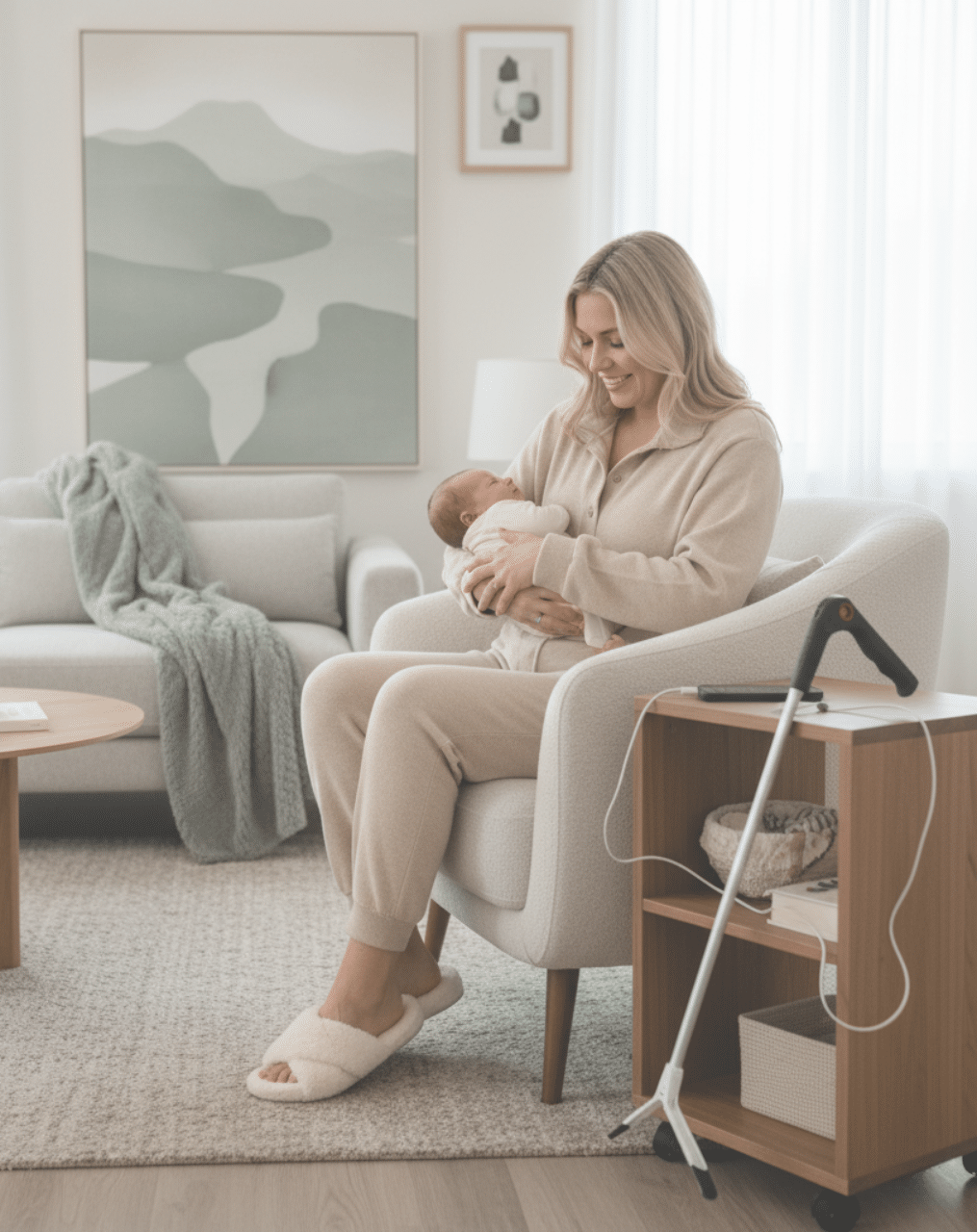
- Why You Need It: In the early days of recovery, every time you stretch, reach, or bend is a painful risk to your incision. Your phone is your lifeline to family, friends, and late-night research. A 10-foot charging cord allows you to keep your phone plugged in, powered up, and within reach on your bedside table without straining to plug it in or retrieve it from the floor. Less reaching equals less pain and better rest.
8. Loose, High-Waisted Loungewear and Slip-On Shoes
Forget jeans or anything with a zipper for at least six weeks.
- Why You Need It: All clothing waistbands must sit comfortably above or far below your incision. Maternity leggings, high-waist joggers, or simple nightgowns made of soft, light material like bamboo are ideal. Similarly, you need slip-on footwear (slippers or slides) that you can slide your feet into without bending over. A small amount of bending can cause a surprising jolt of pain to your healing abdomen.
- The Go-Home Outfit: Your going-home outfit should be the softest, loosest, highest-waisted item you own, or simply a comfortable dress that avoids the waist area entirely.
9. Bedside Caddy and Grabber Tool
Creating an efficient “recovery zone” is crucial to limit painful movement.
- Why You Need It: For the first week or two, you want almost everything you need within arm’s reach. A bedside caddy hangs over your bed rail or side table and can hold your phone, remote, snacks, water bottle, nipple cream, and pain medication. Pairing this with a simple long-handled grabber tool lets you retrieve dropped items (pacifiers, a burp cloth) without twisting or bending, preserving your incision and your energy
10. An Anti-Inflammatory Cream or Cold Therapy Pack
Managing the initial incision pain and swelling is key to comfortable movement.
- Why You Need It: While internal pain management is handled by your prescription, external swelling and discomfort around the incision can be soothed with safe topical methods. A doctor-approved cold pack or an anti-inflammatory ointment can be applied near (not directly on) the incision to reduce inflammation and numb the surrounding area. This can be particularly helpful before or after a short walk.
- Remember: Never apply ice directly to the skin. Always wrap it in a thin towel or cloth, and use it for short, controlled periods (10-15 minutes).
Seeking Specialized Postpartum Recovery and Care
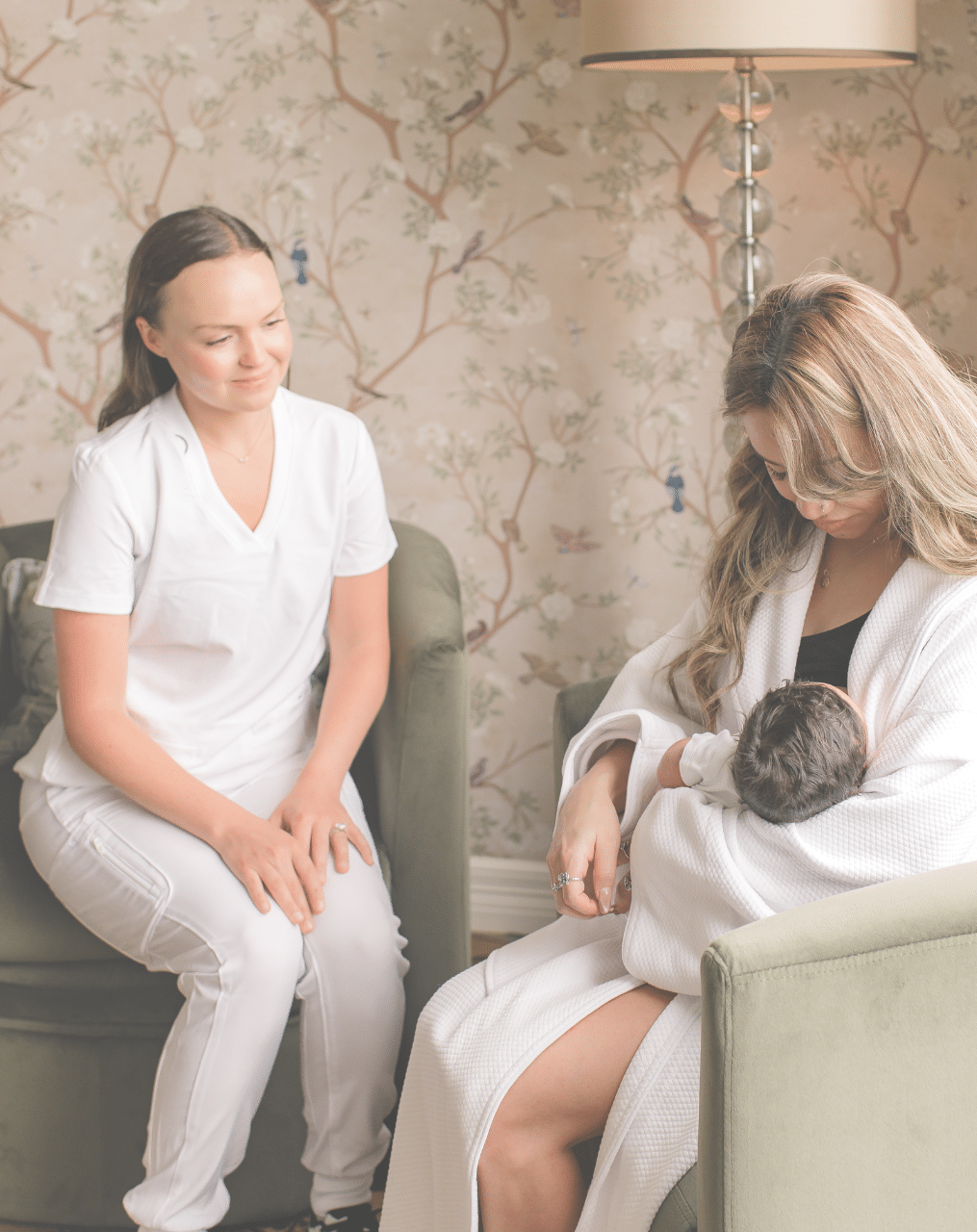
The C-section journey is complex. It blends physical surgery demands with the intense fourth trimester. Therefore, the most critical need is expert, uninterrupted care and rest. This realization drives the concept of The RUBY Postnatal. It redefines maternal recovery.
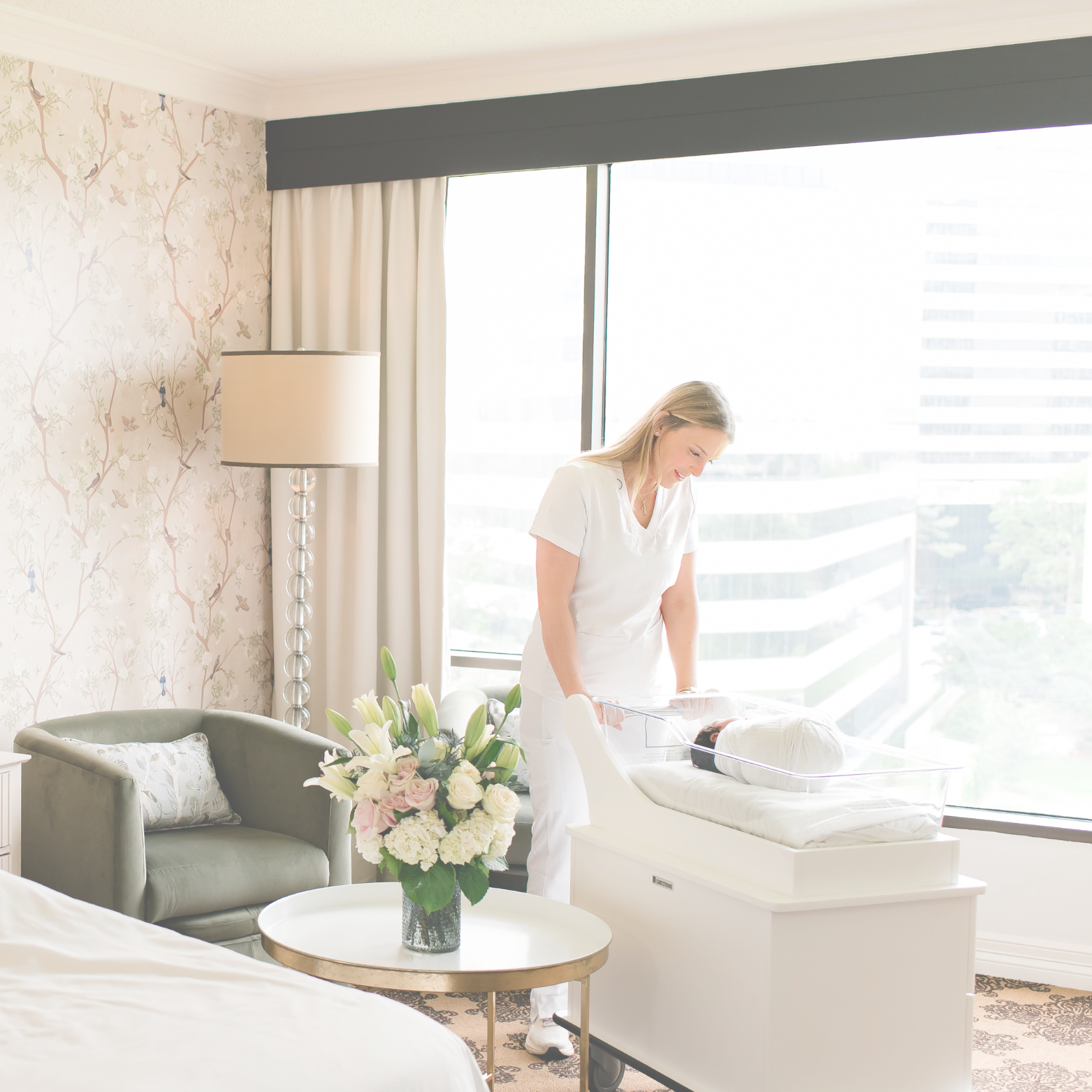
The Ruby is nestled inside the Omni Hotel in Houston, Texas. It provides a seamless transition from hospital to a restorative environment. This is not a simple hotel stay. Instead, it is an evidence-based medical and wellness retreat. Their model uses successful international programs. Thus, it offers rarely seen dedicated support in the U.S.
The Ruby Postnatal is uniquely positioned to accelerate comfortable C-section healing. Their services include:
- Specialized Physical Recovery: Staff is trained in surgical recovery. They manage pain schedules and monitor the incision. They assist with safe, gentle movement. They ensure mothers use abdominal binders correctly.
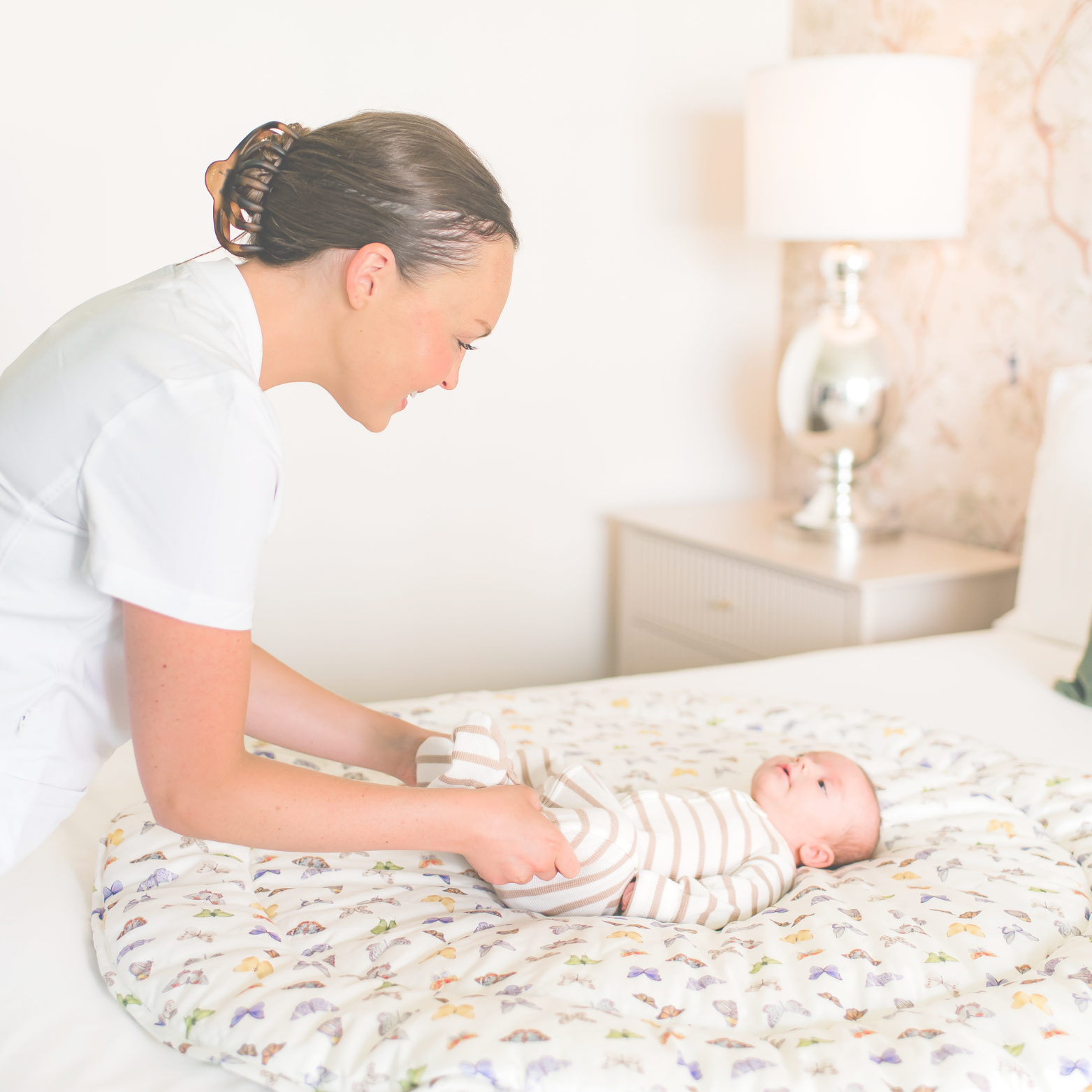
- Uninterrupted Rest: Sleep is the cornerstone of surgical recovery. The Ruby offers 24/7 newborn care. This allows the mother to get essential, restorative sleep.
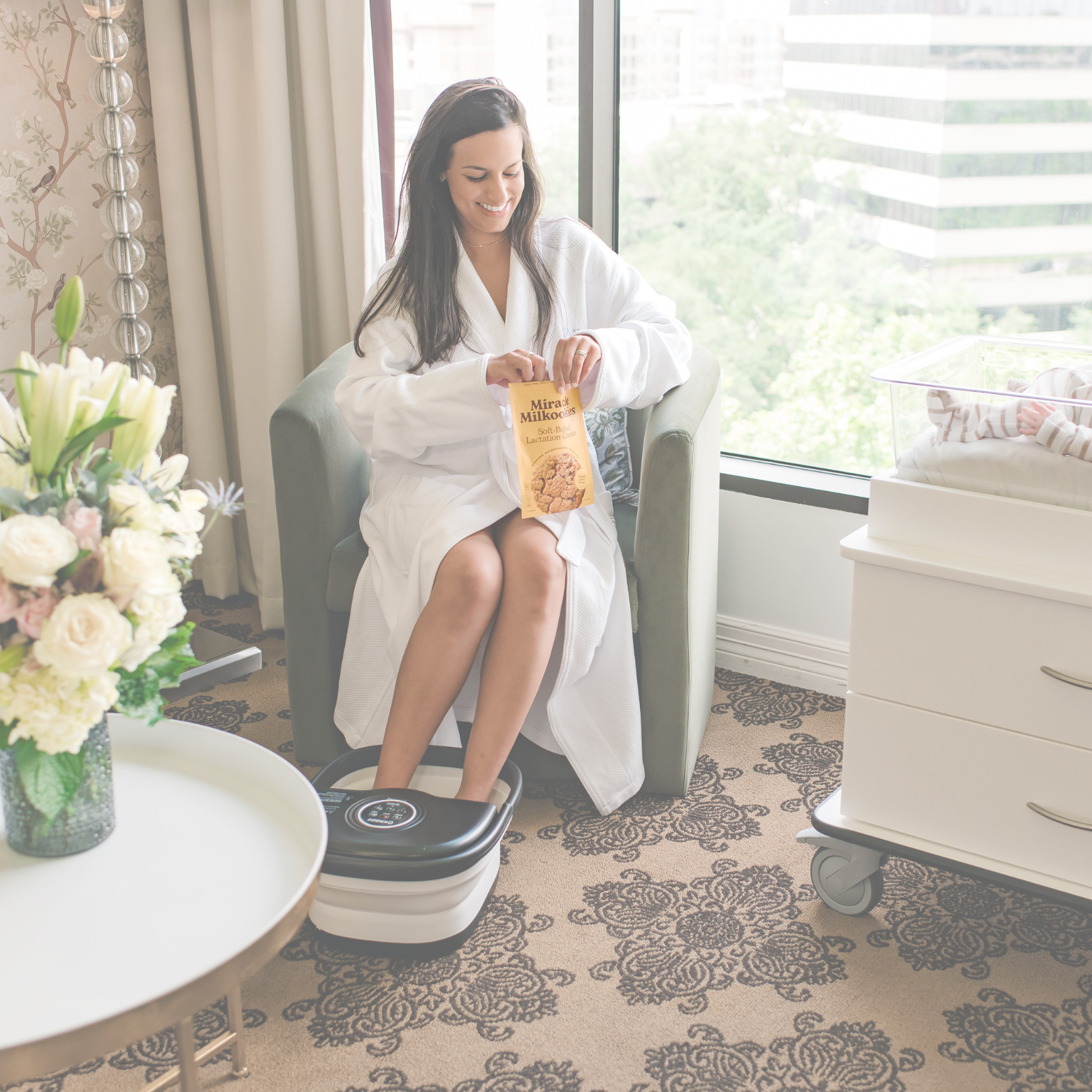
- Nutritional Healing: Recovery requires specific nutrients. The Ruby provides chef-prepared, anti-inflammatory meals. These meals support wound healing and boost energy.
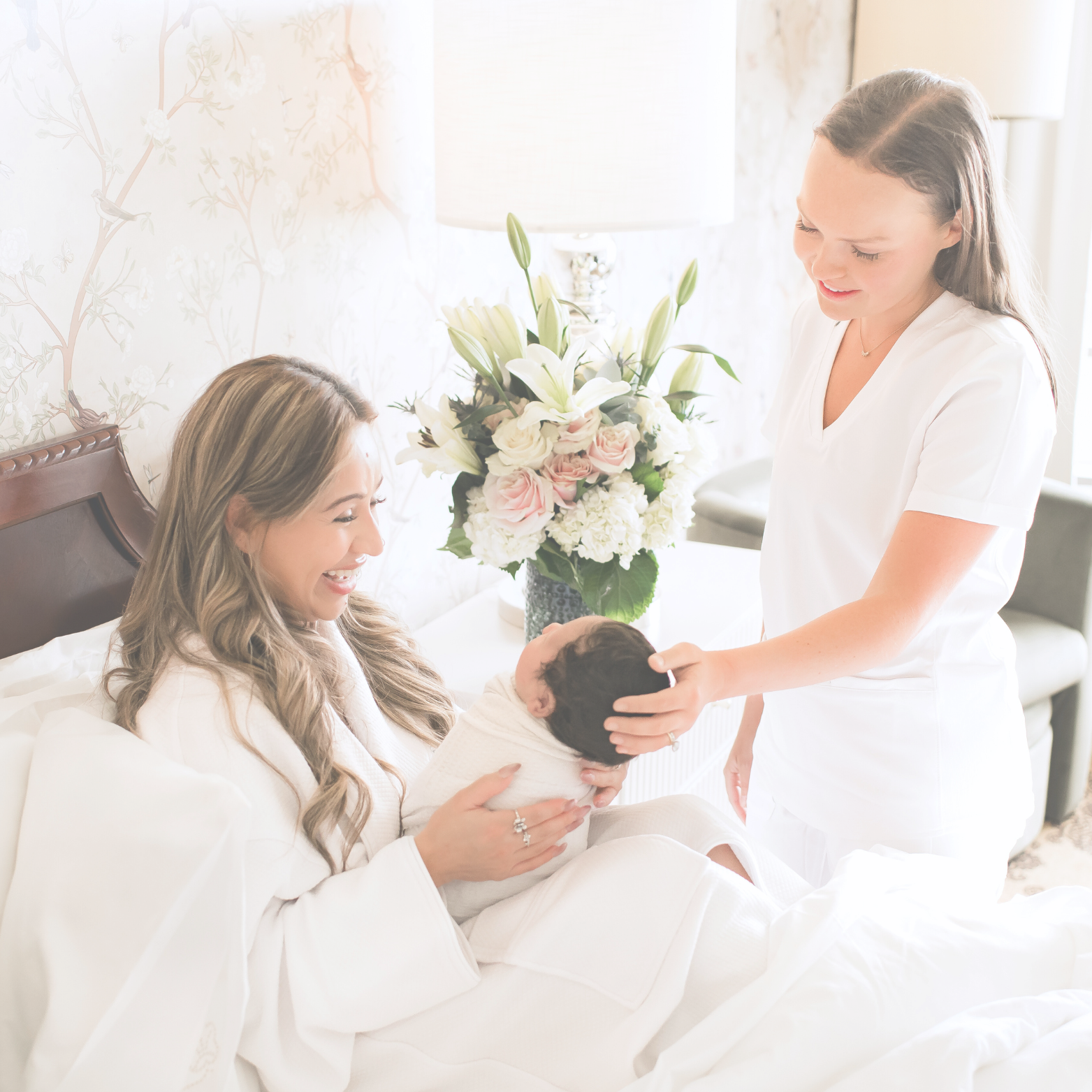
- Holistic Wellness: Guests access certified lactation consultants. They receive personalized feeding support that protects the incision.
After major surgery, the focus must shift entirely to the mother. By receiving this intensive care, mothers bypass the stressful first weeks at home. The Ruby Postnatal is Houston’s sanctuary. It offers the ultimate bridge to confident motherhood.
Helpful Links
- Mayo Clinic
- URL: https://www.mayoclinic.org/healthy-lifestyle/labor-and-delivery/in-depth/c-section-recovery/art-20047310
- Article Title: C-section recovery: What to expect
- Cleveland Clinic
- URL: https://health.clevelandclinic.org/c-section-recovery
- Article Title: C-Section Recovery Timeline and Aftercare
- WebMD
- URL: https://www.webmd.com/baby/recovery-after-c-section
- Article Title: C-Section Recovery